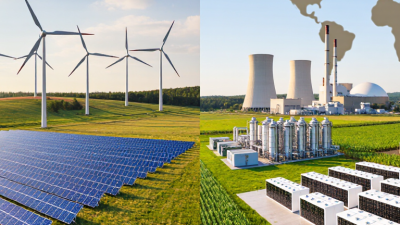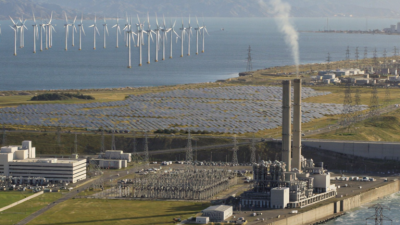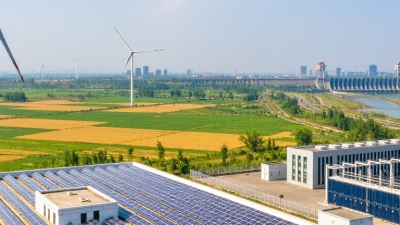

In 2026, choosing energy is a practical business decision, shaped by operating costs, reliability, and climate goals. A bakery may need steady power for ovens before dawn. A warehouse may need affordable electricity for lighting, refrigeration, and vehicle charging. The best option depends on the work, location, and available infrastructure—not a fashionable technology alone. Comparing energy and sources of energy means looking beyond the advertised price per unit.
International Energy Agency Executive Director Fatih Birol has described energy efficiency as “the first fuel.” It is a useful reminder: reducing waste can matter as much as finding a new supply. Start with bills, interval-meter data, equipment schedules, and outage records. Then compare grid electricity, renewable contracts, on-site solar, storage, and other locally available options. Check installation costs, maintenance, contract terms, and what happens when the sun sets or demand peaks. Ask suppliers for documented assumptions, not just optimistic savings estimates.
There is no universal winning mix. A small manufacturer with limited roof space may reach a different answer from a retailer with several sites. The numbers can also change. Energy prices shift, equipment fails, and business plans evolve. A spreadsheet helps, but it cannot predict every disruption. Keep that uncertainty visible. A sound choice should meet today’s needs, allow room to adapt, and make its trade-offs clear to the people who will rely on it.
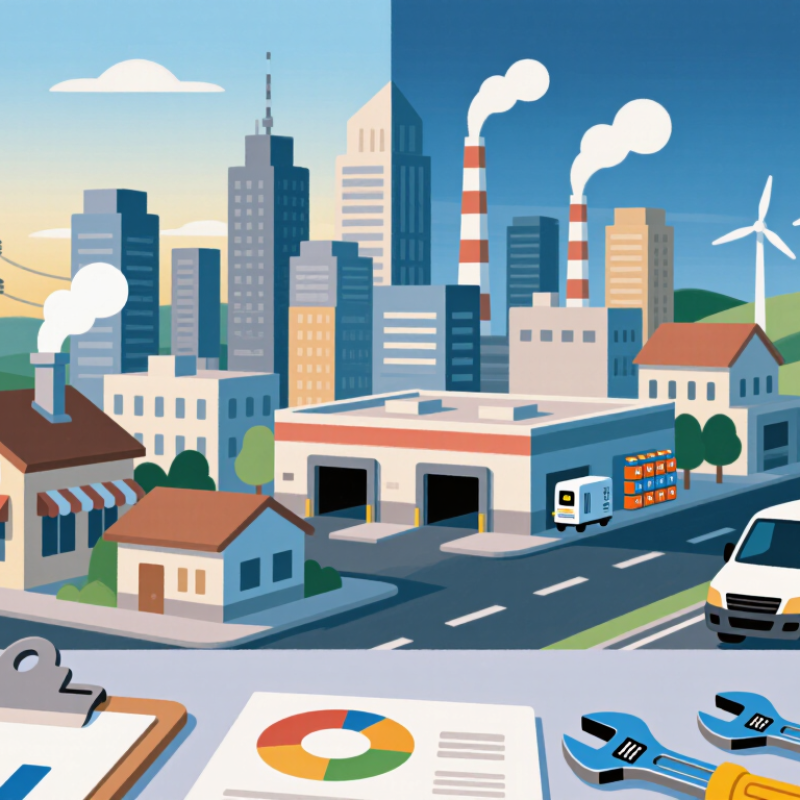
Choosing an energy source starts with knowing when and how your business uses power. Review at least 12 months of utility bills, then compare them with operating hours, production schedules, and seasonal changes. If available, use 15-minute interval data to spot sharp demand peaks, such as several ovens or chargers running together. The U.S. Energy Information Administration’s 2018 Commercial Buildings Energy Consumption Survey estimated that U.S. commercial buildings used 6.8 quadrillion Btu of energy; electricity supplied about 60%. That broad figure is useful context, not a forecast for your site. A small office and a refrigerated warehouse have very different load profiles.
Tips: List major equipment and its run times. Separate steady loads, like refrigeration, from flexible ones, like water heating. Check bills for demand charges and seasonal rate changes. Averages can mislead. I learned that a monthly total can hide a costly, brief peak.
Use these patterns to set practical requirements before comparing supply options. A business with reliable daytime use may value predictable pricing, while a site with evening operations should check how rates change by hour. Ask a qualified energy professional to review meter data and assumptions. Keep a record of the estimate; actual use may differ. Revisit it after equipment changes or a shift in opening hours.
Choosing an energy supply starts with the work happening inside your building. Grid electricity is dependable and simple to access, but its price and emissions profile can change by location and time. Rooftop solar turns sunlight into power during daylight hours. A battery can shift some of that energy into the evening, though it adds cost and requires space. The fit is not automatic.
Wind power may be available through a local electricity contract, even when a business cannot install a turbine. Its output varies with weather, so contract terms and grid access matter. Natural gas can provide steady heat for processes that need high temperatures, but it produces direct emissions. Electric heat pumps can serve many heating needs efficiently, especially in suitable buildings. Still, older insulation or very cold conditions can affect performance.
Compare technologies using actual site data, not just advertised efficiency. Check hourly bills, peak demand, roof condition, heating loads, and planned operating hours. A warehouse with daytime cooling may use solar differently from a bakery running ovens before dawn. Ask for estimates that show installation, maintenance, backup needs, and expected output across seasons. A spreadsheet can help. It can also hide uncertainty: energy prices, equipment life, and future demand are rarely exact. Allow room for that uncertainty before choosing.
Choosing an energy source means comparing the bill with the risk of interruptions and the emissions behind each kilowatt-hour. Lazard’s 2024 Levelized Cost of Energy analysis estimates US utility-scale solar at $29–$92 per megawatt-hour and onshore wind at $27–$73. These are modeled generation costs, not guaranteed business tariffs. They also do not capture every site’s grid fees, backup needs, or contract terms.
A low headline price can disappoint.
Reliability depends on when power is available, not just its annual cost. Solar output falls after sunset; wind varies with weather. Storage, grid connections, and backup supply can help, but each changes the economics. For environmental impact, the IPCC’s lifecycle estimates put wind at about 11 grams of CO2-equivalent per kilowatt-hour, versus roughly 490 for gas-fired electricity. Those figures cover supply chains and operation, but local project impacts still matter.
No single metric tells the whole story.
Tips: Compare hourly usage with supplier quotes, and ask what happens during outages. Check whether emissions figures are lifecycle-based and independently sourced. Model a weak production year, too. I would not trust a spreadsheet alone; assumptions can be wrong, and real demand is messy. That is worth checking.
Choosing an energy source starts with the site, not a brochure. Check the roof’s age, usable area, shading, and load-bearing capacity before considering solar. For ground-mounted equipment, note drainage, soil conditions, access roads, and nearby buildings. Small details matter. Ask the utility for interval usage data, then compare it with operating hours and seasonal demand. A warehouse that peaks after sunset may need storage or a different mix than an office with daytime loads.
Regulations can change the economics. Confirm zoning, building permits, fire-safety requirements, noise limits, and grid-interconnection rules with the relevant local authorities and utility. Requirements vary by location. Do not rely on an old project’s checklist. Incentives may include tax credits, grants, rebates, or favorable tariffs, but eligibility often depends on technology, project size, ownership, and application timing. Verify current terms through official government or utility sources, and include deadlines in the project schedule.
Build a comparison that includes equipment, installation, maintenance, insurance, and expected downtime—not just the quoted energy price. Request written assumptions for output and savings. Then test a less optimistic case, such as lower production or delayed approval. This can feel overly cautious. It is still useful, because one overlooked roof repair or interconnection fee can change the decision. Keep records of site measurements, permit conversations, and incentive confirmations.
A business energy mix should reflect operating hours, critical equipment, and local supply options. Review twelve months of bills and interval data, if available. List loads that cannot pause, such as refrigeration or production lines. A bakery may need reliable power before dawn, while an office can shift cooling to sunny hours. Compare efficiency upgrades, grid supply, on-site generation, and storage by their total costs and expected performance. A low quoted rate alone tells little.
Tips: Set one measurable goal, such as reducing peak demand by a defined amount. Ask suppliers for assumptions behind savings estimates, including maintenance and equipment life. Check whether proposed systems fit the roof, electrical capacity, and daily schedule. Keep the calculations. They will change.
Turn the preferred mix into a phased plan. Begin with low-disruption measures, such as correcting control settings or sealing air leaks. Then pilot larger equipment changes at one site or on one production line. Assign an owner, budget, and review date to each step. Track monthly costs, energy use, and interruptions against a baseline. Forecasts can miss; weather, occupancy, and production rarely behave perfectly. Update the plan when results differ, rather than defending a weak assumption.
| Energy option | Typical role in a business energy mix | Indicative generation cost | Operational and emissions profile | Best suited to | Implementation considerations |
|---|---|---|---|---|---|
| Grid electricity | Core supply and balancing resource; the grid can provide electricity when on-site generation is insufficient. | Varies widely by country, tariff, time of use, and contract. Use the business’s actual utility bill for comparison. | Reliability and emissions depend on the local grid mix. Grid supply can include fossil, nuclear, and renewable generation. | Most businesses, especially sites that need dependable supply or cannot generate all their own electricity. | Review interval-meter data, demand charges, time-of-use rates, tariff options, and available renewable electricity contracts. |
| Solar photovoltaic | On-site or contracted daytime generation that can reduce grid purchases. | New utility-scale generation: approximately US$29–92/MWh, levelized cost of energy (2024 estimates). | Low operational emissions; output varies with daylight, weather, orientation, and season. | Sites with usable roof, parking, or land area and meaningful daytime electricity use. | Assess structural capacity, shading, grid connection, permitting, export rules, financing, and whether storage is needed. |
| Onshore wind | Renewable generation, usually procured through a power purchase agreement or developed at a suitable site. | New utility-scale generation: approximately US$27–73/MWh, levelized cost of energy (2024 estimates). | Low operational emissions; output varies with wind conditions and is not fully controllable. | Businesses with access to a strong wind resource, suitable land, or regional wind procurement options. | Check wind-resource data, land and community constraints, permits, grid capacity, contract terms, and delivery profile. |
| Hydropower | Renewable electricity; reservoir projects can offer dispatchable generation, while run-of-river output follows water availability. | Highly site- and project-dependent; compare project-specific costs rather than applying a universal range. | Low operational emissions in many projects, but lifecycle impacts and ecological effects vary by site and design. | Businesses able to access local hydro supply or long-term contracts in regions with established hydropower resources. | Verify seasonal water availability, environmental approvals, transmission access, contract flexibility, and drought exposure. |
| Geothermal | Potentially steady, low-carbon electricity or direct heat where a suitable geothermal resource exists. | Highly dependent on resource quality, drilling depth, and local project conditions. | Can provide relatively constant output; project feasibility depends strongly on geology and may involve drilling-related impacts. | Facilities in geothermal regions with consistent heating or electricity demand. | Commission resource studies, assess drilling risk and permitting, and confirm that the site’s heat or power needs match the resource. |
| Biomass or biogas | Potentially dispatchable electricity and heat using eligible organic fuels or recovered biogas. | Fuel, plant, and feedstock dependent; evaluate full delivered fuel and operating costs. | Can be controllable, but emissions and sustainability depend on feedstock, transport, combustion controls, and land-use effects. | Businesses with a reliable local residue, waste, or biogas resource and useful demand for both heat and electricity. | Confirm sustainable feedstock supply, air permits, fuel logistics, lifecycle emissions, and backup fuel arrangements. |
| Natural gas generation | Controllable generation or backup supply where permitted; may support reliability when variable generation is unavailable. | Approximately US$45–110/MWh for new combined-cycle generation in 2024 estimates; fuel prices and utilization affect actual costs. | Dispatchable, but produces direct carbon dioxide emissions and may have upstream methane emissions. | Sites that require controllable power and have access to gas, subject to emissions limits and transition plans. | Model fuel-price and carbon-cost risk, emissions compliance, operating hours, equipment efficiency, and alternatives for backup. |
| Battery energy storage | Shifts electricity across hours, helps manage peak demand, and can provide short-duration backup when configured appropriately. | Not a primary energy source; compare installed cost, usable capacity, cycle life, efficiency, and charging costs. | Stores electricity rather than generating it; performance depends on duration, power rating, temperature, and operating strategy. | Businesses with demand charges, time-of-use price differences, solar surplus, or a need for short-duration resilience. | Size power (kW) and energy (kWh) separately; check fire codes, warranty, interconnection, degradation, and backup-system design. |
| Nuclear electricity | Firm, low-carbon electricity generally accessed through the grid or a long-term procurement arrangement. | New-build cost is project-specific and can be highly sensitive to financing, construction schedule, and regulation. | Low operational greenhouse-gas emissions and high capacity factors; projects require stringent safety and regulatory oversight. | Large electricity buyers in markets where nuclear procurement or nuclear-backed grid supply is available. | Review contract structure, market rules, delivery matching, regulatory status, and whether the supply is verifiable for reporting. |
| Efficiency and demand response | Reduces the amount of energy required and can shift flexible loads away from peak periods. | Project-specific; assess investment cost against verified energy and demand-charge savings. | Often the lowest-risk first step; reduces purchased electricity but does not itself generate energy. | All businesses, particularly facilities with inefficient equipment, controllable HVAC, refrigeration, or flexible processes. | Establish a baseline, prioritize measures by payback and impact, install controls, and verify savings after implementation. |
| Practical implementation sequence: (1) Gather 12–24 months of bills and interval-meter data. (2) Reduce avoidable demand through efficiency. (3) Compare local tariffs, renewable contracts, and on-site generation. (4) Add storage or controllable supply only where it addresses a measured cost or reliability need. (5) Pilot, verify savings and emissions, then scale. Generation-cost figures are indicative 2024 US-dollar estimates for new generation where stated; they are not delivered business tariffs and exclude many project-specific costs, grid charges, taxes, financing effects, and firming requirements. | |||||