What Are the Top 10 Clean Energy Suppliers in China?
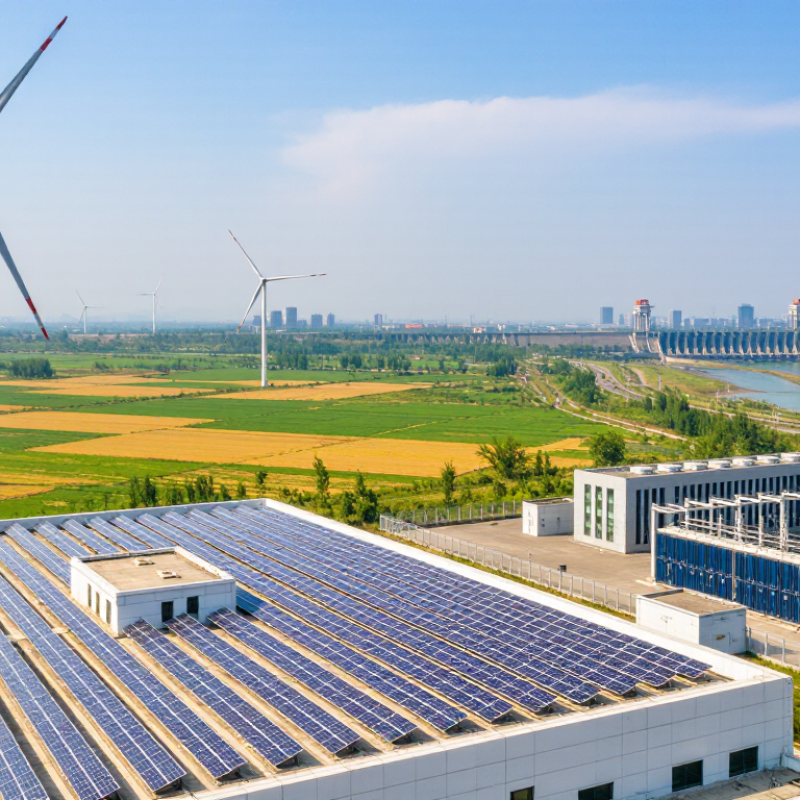
China’s clean energy market is vast, but “supplier” can mean different things: a power generator, equipment maker, project developer, or electricity retailer. This guide introduces ten notable companies connected to that changing system. It considers areas such as solar, wind, hydropower, energy storage, and grid services, where relevant. A rooftop panel, a wind farm beyond the city, and a battery beside a substation show how the transition reaches everyday life. Details matter. Company size alone does not tell the whole story.
Treat any top-ten list as a useful starting point, not a permanent verdict. Market positions shift as projects come online, technologies improve, and policies change. A careful comparison should examine operating scale, project experience, financial disclosures, technology capabilities, and the reliability of available information. It should also distinguish companies that generate electricity from those that manufacture equipment or sell power. The difference is easy to miss. Readers may want to check each supplier’s latest reports and project records before making business or investment decisions. Public claims do not always reveal a project’s full environmental impact, and company categories can overlap. That makes comparisons imperfect. This overview aims to offer context, not a guarantee that any one supplier is the right choice for every customer or region.
Understanding Clean Energy Suppliers in China
Understanding clean energy suppliers in China requires more than comparing electricity prices. Suppliers may generate renewable power, arrange grid delivery, provide storage, or document a buyer’s renewable-energy claims. These roles are not interchangeable. A solar farm’s output can vary with weather, while a factory needs dependable electricity after sunset. Scale matters. The International Energy Agency’s World Energy Investment 2024 estimated that China’s clean-energy investment would reach about US$675 billion that year. Its Renewables 2024 report projected China would contribute almost 60% of global renewable-capacity growth through 2030. Those figures show the market’s scale, not the reliability of any one supplier.
For buyers, practical checks matter: ask where power is generated, how delivery is matched to consumption, and what happens during low-output periods. Review contract terms, grid access, storage arrangements, and evidence supporting renewable claims. Paper claims are not enough. Compare hourly or monthly consumption with the proposed supply, especially for energy-intensive sites with night shifts. Independent audits and clear emissions-accounting methods can help verify reported results. Still, documentation may be uneven, and a supplier’s renewable portfolio does not automatically mean every customer receives uninterrupted green power. The details deserve scrutiny. IEA data provides useful context, but procurement decisions should also draw on site-specific operating records and transparent contract disclosures.
How to Assess China’s Leading Clean Energy Suppliers
Choosing among China’s clean energy suppliers takes more than comparing advertised capacity. Assess the project portfolio: operating solar, wind, hydro, or storage assets, not just planned developments. Request recent generation records and check whether output matches local weather and grid conditions. A large capacity figure can look impressive. Not enough.
For reliability, review grid connection status, curtailment history, equipment warranties, maintenance response times, and safety records. Ask for independently verified emissions and lifecycle data, including materials and construction where available. Then examine financial health, delivery schedules, and references from projects with similar terrain and scale. One strong year does not prove durable performance; that conclusion can be easy to overstate.
Tips: Compare at least three suppliers using the same project size, location, and contract period. Visit a site if practical. Tie every claim to a document, and note missing data. No scorecard is perfect.
Ten Major Clean Energy Suppliers in China
China’s ten major clean-energy supplier groups span the equipment chain: polysilicon producers, wafer and cell makers, solar-module manufacturers, inverter suppliers, wind-turbine builders, blade makers, hydropower equipment firms, battery-cell suppliers, storage integrators, and grid-control providers. Each plays a different role. Some supply materials; others help move electricity safely from generators to users.
A solar project may rely on cells, modules, inverters, and storage systems from separate suppliers. A wind farm needs turbines, blades, and reliable grid connections. These details matter more than a headline ranking. Supplier capacity, delivery schedules, product testing, and after-sales support can vary by project and region. Rankings also shift as new factories open or demand changes. There is no single list that fits every buyer.
Look beyond quoted prices. Ask for equipment specifications, production timelines, warranty terms, and evidence of completed installations. Check how components perform in local conditions, including heat, humidity, dust, or seasonal wind changes. Small details count. A low-cost component can create extra maintenance work if it is poorly matched to the system. Still, paperwork alone does not guarantee dependable performance, and buyers should leave room for independent checks.
Clean Energy Supply in China
Installed generating capacity by clean energy technology, year-end 2023
China’s clean energy supply spans hydropower, wind, solar, biomass and nuclear power. Solar had the largest installed capacity among these technologies in 2023. Figures are national technology totals, not rankings of individual suppliers.
Source: China National Energy Administration, 2023 year-end installed capacity statistics. Capacity is shown in gigawatts (GW).
Comparing Their Technologies and Market Roles
China’s clean-energy suppliers compete across ten roles: polysilicon, wafers, cells, modules, inverters, wind equipment, hydro systems, batteries, grid storage, and project development. Their technologies serve different needs. Solar manufacturers convert sunlight into electricity, while inverter makers manage its flow into the grid. Wind and hydro suppliers provide generation when weather and water conditions allow.
Scale matters. The International Energy Agency reported that China held more than 80% of global solar-module manufacturing capacity across key supply-chain stages in 2022. That concentration supports lower-cost production, but it also makes supply resilience worth examining. The IEA estimated China’s clean-energy investment at about US$675 billion in 2023. The figure signals a market where equipment supply and project finance are closely linked.
Comparisons should look beyond factory output. Battery and storage suppliers help balance variable solar and wind generation; developers connect equipment to actual projects. Grid access, conversion efficiency, service coverage, and delivery times can matter as much as nameplate capacity. This ranking is imperfect. Public data often measures manufacturing capacity, not long-term reliability at a specific site. A rooftop solar system in a dense city, for example, faces different constraints from a wind project in a remote region.
(Sources: IEA, Special Report on Solar PV Global Supply Chains, 2022; World Energy Investment 2024.)
China’s Clean Energy Supply Landscape and Key Trends
China’s clean-energy supply landscape reflects the country’s vast geography. Wind farms cluster in breezy northern regions, while large solar projects occupy sunny western areas. Coastal provinces also benefit from offshore wind and dense electricity demand. The supply chain covers equipment, project development, grid connections, and energy storage. These parts do not always advance at the same pace.
Manufacturing capacity is substantial, especially for solar components and batteries. Domestic production supports large projects and can lower equipment costs. But supply is only one measure of progress. A remote solar farm may generate abundant power, yet transmission lines must carry it to cities. Grid upgrades and flexible storage are becoming more important as renewable output fluctuates. The midday surplus can be difficult to use.
Clean-energy suppliers are also adapting to changing demand from industry, transport, and buildings. Battery storage can shift some solar power into evening hours, while forecasting helps grid operators plan around variable wind. Progress remains uneven. Local conditions, project financing, and connection delays can alter results. Even a strong supply chain cannot solve every grid constraint on its own. More storage may help, but its cost and practical performance still deserve careful scrutiny.