
Skip to content

What Are the Top Clean Energy Solutions for Buyers in 2026?

In 2026, choosing clean energy is less about finding one “best” technology and more about matching equipment, contracts, and local conditions. A rooftop solar system may suit a sunny home with usable roof space. A heat pump can cut fuel use, but its performance depends on insulation, climate, and installation quality. Battery storage adds flexibility. It also adds cost, and not every household needs it. Details matter.

The International Energy Agency’s Executive Director, Fatih Birol, has said, “The energy sector is the source of around three-quarters of greenhouse gas emissions today.” That context makes buyer decisions consequential, but it does not make every green offer a good one. Compare the full installed price, expected output, maintenance, warranty, and how electricity is sourced. For businesses, check whether a power purchase agreement or on-site generation fits actual demand patterns. For renters, community solar or a verified clean electricity plan may be more practical than buying equipment. Not every option fits.

This guide will examine solar, batteries, heat pumps, electric-vehicle charging, and cleaner electricity plans. It will focus on what buyers can verify: site suitability, supplier claims, operating costs, and realistic payback assumptions. Forecasts can miss. Incentives and utility rates may change, and equipment performance varies by site. A careful decision starts with a real bill, a qualified assessment, and questions that do not have easy answers.
What Are the Top Clean Energy Solutions for Buyers in 2026?

Clean Energy Solutions Available to Buyers in 2026

In 2026, household buyers can choose rooftop solar, shared solar subscriptions, or electricity plans that source renewable power. Rooftop panels suit homes with usable, unshaded roof space and a long ownership horizon. A shaded roof changes the calculation. Before signing, compare estimated annual production with past electricity bills. Ask how maintenance, warranties, and export credits are handled. Quotes are estimates, not promises. Shared solar may help renters or apartment residents, but contract terms and savings vary by location.

Home batteries can store daytime solar energy for evening use or provide limited backup during outages. They add cost, and backup capacity depends on battery size and connected circuits. Heat pumps offer another practical route. They heat and cool homes efficiently, especially when replacing older equipment. Cold-climate performance differs. Ask for a home-specific load calculation, not a rough guess based only on floor area.

Buyers who cannot install equipment can compare renewable electricity plans where available. Read the contract length, price adjustments, and details about the electricity supply. For renovations, insulation and efficient appliances can reduce demand before new generation is added. Check the details. This sequence may feel less exciting, but it can help prevent buying oversized equipment.

How Solar, Wind, and Storage Systems Meet Energy Needs

What Are the Top Clean Energy Solutions for Buyers in 2026?

How Solar, Wind, and Storage Systems Meet Energy Needs

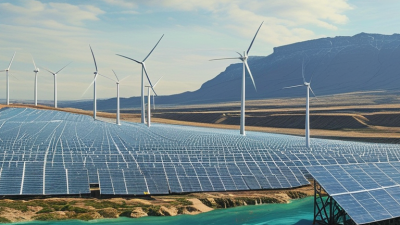
Solar panels can turn a sunny roof into a steady source of daytime electricity. Their output changes with clouds, seasons, roof direction, and shade from nearby trees. Small wind systems may help in consistently windy locations, but they need suitable space and careful assessment. For many buyers, combining solar with grid electricity is more practical than expecting one system to meet every need. Local conditions matter.

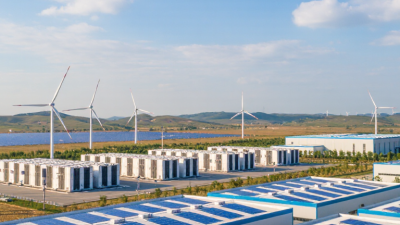
Battery storage holds surplus electricity for evening use or brief outages. It can also help households use more of their own solar power, though batteries add cost and gradually lose capacity. A larger battery is not automatically better. Review your hourly energy use, peak demand, and likely backup needs before choosing a system. Ask for clear estimates of expected output and maintenance, not just optimistic savings projections. The numbers can still be uncertain.

Tips: Check your roof’s shade and your utility bills across different seasons. Compare solar-only and solar-plus-storage proposals. If considering wind, measure site conditions first. Keep some flexibility in your plan; energy needs can change, and no system fits every home.

Comparing Costs, Reliability, and Environmental Benefits

What Are the Top Clean Energy Solutions for Buyers in 2026?
Comparing Costs, Reliability, and Environmental Benefits

Solar panels often offer the clearest path to lower electricity bills, especially where rooftops receive steady sunlight. Their upfront cost can be substantial, and savings depend on local rates, roof condition, and system size. Home batteries add backup power but also raise the purchase price. Wind power can work well in consistently breezy locations, though it is rarely a practical fit for every property. Heat pumps are another strong option: they use electricity efficiently for heating and cooling, but performance depends on insulation and climate.

Reliability is not just about generating power. Solar output drops after sunset and during cloudy stretches; batteries can cover some gaps, but their capacity is limited. A heat pump still relies on the grid unless paired with backup power. Environmental benefits also vary: clean electricity can reduce operating emissions, while equipment manufacturing and installation have impacts of their own. The comparison is not perfectly tidy. Buyers should weigh expected lifetime costs, service needs, and local energy conditions rather than relying on a single payback estimate.

Tips: Get itemized quotes and compare expected yearly output, warranty coverage, and maintenance costs. Check your home’s insulation before sizing a heat pump. Ask how a battery performs during a multi-hour outage. Estimates can miss the mark, so leave room for uncertainty.

What Are the Top Clean Energy Solutions for Buyers in 2026?

Comparing global project costs, reliability characteristics, and lifecycle emissions

The chart shows global weighted-average costs for newly commissioned projects in 2023, in US dollars per kilowatt-hour. Costs vary with location, financing, and project design. Lifecycle emissions include emissions across a technology’s life cycle, not just during operation.

Technology Lifecycle emissions
(g CO₂e/kWh)
Typical reliability profile
Solar PV48Variable; depends on daylight and weather.
Onshore wind11Variable; depends on wind conditions.
Offshore wind11Variable; output depends on wind conditions.
Hydropower24Reservoir plants can be dispatchable; water availability matters.
Geothermal38Generally steady output where suitable resources are available.

Sources: International Renewable Energy Agency, global weighted-average LCOE for 2023 projects; IPCC lifecycle-emissions median estimates. Actual costs and emissions vary by project and location. Lifecycle emissions for hydropower can vary substantially by reservoir.

How to Evaluate Providers, Incentives, and Purchase Options

In 2026, compare clean-energy providers by evidence, not headline savings. Ask for a site-specific production estimate that accounts for roof shade, equipment lifespan, and maintenance. Request the full cost in writing, including permits, grid connection, monitoring, and repair terms. Details matter. Check who handles service if the installer closes, and how quickly faults are addressed. A polished sales chart is not proof.

Incentives can vary by location, utility, project type, and year. Confirm eligibility with official government or utility sources before including a rebate or tax benefit in your budget. Ask providers to separate guaranteed discounts from conditional credits. Check deadlines and whether you must own the system, file paperwork, or meet technical requirements. Save copies. Do not rely on an incentive you have not verified.

An outright purchase offers ownership, along with responsibility for upkeep. Financing spreads costs but adds interest and fees. A lease or power-purchase agreement may lower upfront spending, yet terms can affect home sales, price increases, and equipment upgrades. Community energy subscriptions may suit renters or shaded roofs, where available. Compare total contract payments, not just monthly figures. A spreadsheet helps, but it can miss delayed repairs or confusing bills. Ask for a sample bill and a clear exit procedure before signing.

What Are the Top Clean Energy Solutions for Buyers in 2026? — How to Evaluate Providers, Incentives, and Purchase Options
Solution Best Fit Typical Purchase Options Useful Performance Facts Incentives and Costs to Check How to Evaluate a Provider
Rooftop solar panels Property owners with a suitable, unshaded roof and a long-term interest in reducing grid electricity use. Cash purchase, solar loan, or lease. Compare who owns the equipment, receives any eligible incentives, and handles repairs. A residential system’s output depends on location, roof orientation, shading, and system size. Panels commonly carry product or power-output warranties of around 25 years; actual output declines gradually over time. Check current federal, state, utility, and local rules, plus permitting, interconnection, roof-repair, and export-credit costs. Incentive eligibility and value depend on location, ownership, and rules in effect when the project is installed. Request a site-specific production estimate, itemized cash and financed prices, equipment specifications, warranty terms, and estimated utility-bill impacts. Confirm who will obtain permits and complete utility interconnection.
Home battery storage Solar owners seeking backup power or greater control over when they draw electricity from the grid; value depends on local outage risk and electricity rates. Purchase outright, finance, or add storage to a solar installation. Some utility or third-party programs may compensate customers for allowing grid dispatch. Residential batteries are often sized in the range of roughly 5–15 kWh of usable capacity per unit. Usable capacity, power output, backup circuits, and round-trip efficiency are different measures; confirm all four. Check whether incentives apply to standalone or solar-charged batteries, and whether the utility offers time-of-use rates or compensation for grid services. Include installation, electrical upgrades, and any program participation terms. Ask for usable capacity and continuous backup power, expected performance over the warranty period, replacement coverage, operating mode during outages, and whether internet access is required for program participation.
Community solar Renters, apartment residents, or homeowners whose roofs are unsuitable for solar but whose utility territory offers a qualifying program. Usually a subscription or bill-credit arrangement rather than equipment purchase. Contract terms may be fixed-term or flexible, depending on the program. Subscribers receive credits tied to a shared solar project under local program rules. Savings are not automatic: subscription charges, credit timing, and utility billing arrangements affect the net benefit. Confirm local availability, eligibility, subscription fees, cancellation terms, and whether the promised discount is calculated before or after fees. Review how credits work if you move or use less electricity. Request a sample bill showing both utility credits and subscription charges. Check project status, contract length, cancellation fees, credit allocation, and any savings guarantee in writing.
Heat pump heating and cooling Homes replacing electric resistance, oil, propane, or older heating and cooling equipment; suitability depends on climate, insulation, and system design. Buy the equipment and installation, finance through a contractor or lender, or use an eligible utility or public program where available. Heat pumps move heat rather than generate it directly. Seasonal efficiency ratings vary by model and test standard; cold-climate performance and correct sizing matter, so compare rated performance at relevant outdoor temperatures. Check current local rebates, tax provisions, utility programs, and income-based assistance. Include electrical-panel work, duct modifications, weatherization, and removal of existing equipment in the total cost. Seek a documented load calculation and equipment selection, not a quote based only on floor area. Compare model numbers, installation scope, commissioning, labor warranty, and post-installation service.
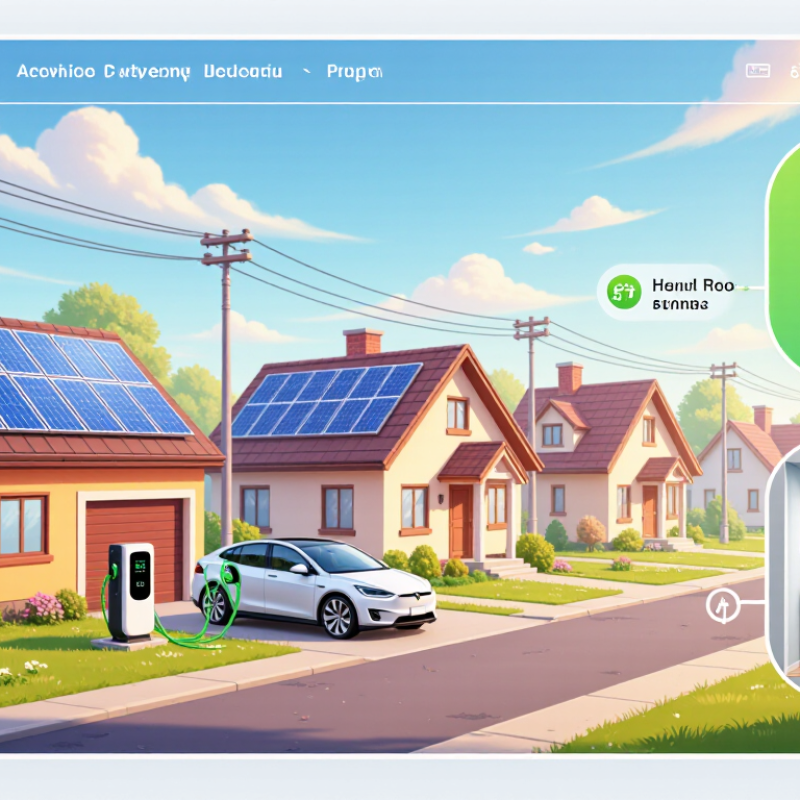
Residential EV charging Electric-vehicle drivers with off-street parking who want faster home charging or scheduled charging during lower-cost hours. Purchase a compatible charging unit and installation, or use a utility-supported charging program where offered. A standard household outlet may be an option for slower charging. Level 2 charging uses a 240-volt circuit. Charging speed depends on the charger, vehicle’s onboard charger, circuit capacity, and temperature; the vehicle sets the maximum rate it can accept. Check utility rebates, managed-charging offers, and local electrical-permit requirements. Ask an electrician whether the existing panel can support the circuit without an upgrade. Confirm connector compatibility, certified electrical installation, cable reach, warranty, network or subscription fees, and whether smart-charging features work with the utility’s program.
Utility green-power or renewable electricity options Customers who cannot install equipment or want to support renewable electricity through their existing utility account. Enroll in an optional utility green tariff or a renewable-energy supply plan where available. Participation is generally billed through the electricity account rather than involving home equipment. Programs may procure renewable electricity or renewable energy certificates; the product structure and environmental claims differ. Enrollment does not usually change the physical electricity delivered to a home. Compare the additional charge per kWh or month, contract length, cancellation rules, and whether the offer is utility-administered or supplied by another provider. Availability and consumer protections vary by jurisdiction. Read the program’s disclosure documents. Check what is being purchased, how renewable attributes are tracked, whether the price can change, and how the program reports its environmental benefits.
Buyer note: Incentives, utility rates, eligibility, and consumer-protection rules vary by location and can change. Verify current terms with the relevant government agency, utility, and program administrator before signing a contract. Compare total costs over the expected ownership period, not just the advertised monthly payment.

Choosing a Clean Energy Solution for Different Buyer Needs

Choosing a clean energy solution starts with your energy use, not the latest technology trend. A household with a sunny, unobstructed roof may favor rooftop solar. Renters may consider community solar where available. Businesses with steady daytime demand can match on-site generation to operating hours. Facilities needing backup should assess batteries separately. Batteries add resilience, but do not always lower costs.

IRENA’s Renewable Power Generation Costs in 2023 report found that 81% of newly commissioned utility-scale renewable capacity that year generated electricity below the cost of fossil-fuel alternatives. Useful context, not a site-specific promise. Roof condition, tariffs, financing, and grid connection timelines all affect the result. A farm with seasonal loads may need a different setup from a warehouse running daytime refrigeration. Get interval-meter data first. It reveals demand peaks.

Tips: Compare lifetime costs, including maintenance, equipment replacement, and bill credits. Ask for production estimates under both typical and low-output conditions. For backup, list essential loads—perhaps refrigeration, networking, or a well pump—and size storage around them. Forecasts are imperfect, and priorities can change.