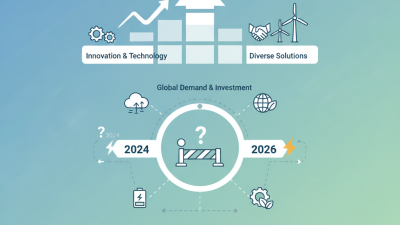

As the world shifts towards sustainable energy, wind energy emerges as a crucial player. It's not just about generating power; it's about reshaping economies and communities. The 2026 trends highlight innovations that global buyers cannot ignore.
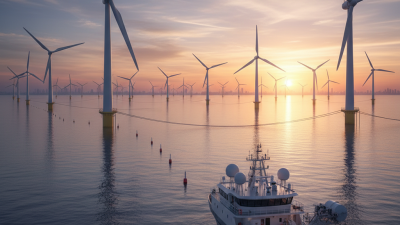
Investments in offshore wind farms are growing rapidly. These projects promise vast energy resources and reduce reliance on fossil fuels. The technology is evolving, making turbines more efficient and cost-effective. Yet, challenges remain. Supply chain issues and regulatory hurdles can slow progress.
Environmental concerns also loom large. Balancing nature with energy needs is complex. Stakeholders must ensure that this growth does not harm ecosystems. Wind energy offers solutions, but it requires thoughtful implementation and collaboration. The future holds great potential, yet reflection on these challenges is critical.
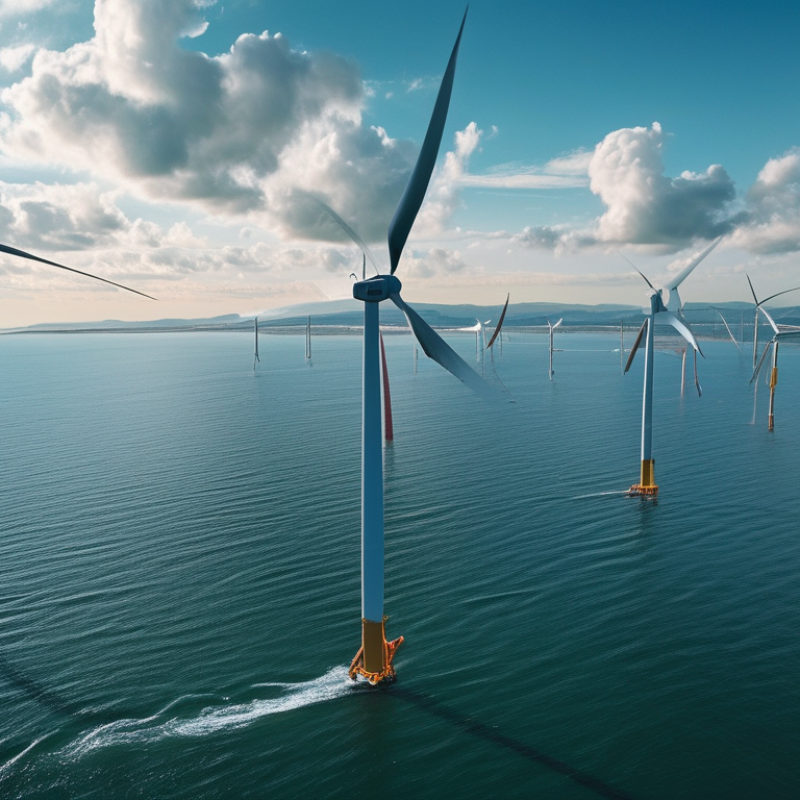
As we look towards 2026, emerging technologies in wind energy are set to transform the landscape. New turbine designs aim for greater efficiency, harnessing wind power more effectively. Innovations in materials will reduce costs and enhance durability. For instance, lighter blades made from advanced composites could reshape performance metrics.
Energy storage solutions are also trending. They are crucial for stabilizing power supply from wind farms. Improving battery technology will address the intermittent nature of wind energy. New methods are needed to manage and store this renewable resource. These advancements reflect ongoing challenges in the energy sector.
Digital solutions will play a pivotal role. Data analytics and IoT applications enhance operational efficiency. Predictive maintenance technologies can foresee equipment issues, minimizing downtime. Such progress emphasizes the need for continuous investment in technology. Stakeholders must remain vigilant to harness these trends effectively.
The wind energy market is evolving rapidly, driven by a combination of technological advancements and shifting economic conditions. According to the Global Wind Energy Council, the total installed wind capacity worldwide reached 743 GW in 2021, reflecting a robust growth trajectory. As buyers evaluate their investments, insights into market trends become indispensable. The surge in renewable energy initiatives is reshaping procurement strategies, making it critical for stakeholders to understand what shapes demand.
One notable trend is the increasing focus on sustainability and carbon reduction. Recent studies indicate that organizations are prioritizing clean energy purchases as part of their corporate responsibility goals. For example, 60% of companies are planning to increase their investments in renewable energy over the next few years. This shift not only supports global climate goals but also offers competitive advantages. Furthermore, the integration of digital technologies, such as smart grid systems, enhances operational efficiency and reliability in wind energy projects.
However, challenges persist in this evolving landscape. Supply chain disruptions and fluctuating material costs have posed obstacles, impacting project timelines and budgets. Industry experts suggest that addressing these hurdles requires innovative financing models and collaborative approaches among stakeholders. With these complexities in mind, buyers must remain vigilant and adaptable to navigate the dynamic wind energy market effectively.
Government policies play a crucial role in shaping wind energy investments. Many countries are implementing incentives to boost renewable energy. These include tax breaks and subsidies for wind projects. Such policies can attract investors. They create a favorable landscape for developing wind farms.
However, it's important to understand that policies vary greatly by region. Some areas may impose stricter regulations that delay project approvals. Others might offer generous support that comes with unexpected obligations. Staying informed about local policies is essential. Investors should engage regularly with government updates. This minimizes surprises and enhances project viability.
Tips: Always check for recent changes in regulations. It can save time and resources. Network with local industry experts to gain insights. Engaging with them can provide valuable perspectives on policy impacts. Be prepared to adapt your strategy based on policy shifts. This flexibility can lead to better investment outcomes.
As the wind energy sector evolves, sustainable practices become essential. The focus on reducing carbon footprints is notable. Innovative technologies are now integrated into wind farms. These advancements aim to maximize energy output while minimizing environmental impact.
One significant trend is the use of recyclable materials in turbine production. This shift reduces waste in the long term. However, the recycling processes are still developing. Furthermore, supply chain transparency is crucial. Without clarity, it becomes challenging to ensure sustainable sourcing for construction materials.
Wind energy production also faces challenges. The intermittent nature of wind presents reliability issues. Battery storage solutions are not fully optimized yet. There’s room for improvement in balancing energy supply and demand. Stakeholders must address these gaps to achieve true sustainability in wind energy.
This chart illustrates the expected growth in various trends within the wind energy sector from 2023 to 2026, highlighting the increasing emphasis on sustainable practices, technological advancements, and investment growth.
Consumer preferences are reshaping the wind energy sector. As the global demand for clean energy grows, buyers are more discerning. They seek solutions that not only provide energy but also align with their values. Transparency and sustainability are now priorities for many consumers. This shift encourages companies to enhance their offerings.
Financial considerations play a key role. Many buyers are looking for cost-effective solutions. Yet, they are also willing to pay a premium for technologies that promise greater efficiency or lower environmental impact. It’s interesting to note how different regions have unique preferences. Some prioritize community benefits, while others focus on technological innovation.
The wind industry must adapt to this evolving landscape. Listening to consumer feedback is essential. Developing flexible solutions can help meet diverse expectations. However, companies must also confront challenges in balancing innovation with affordability. The path ahead may be complex, but responding to consumer needs will be crucial for success.