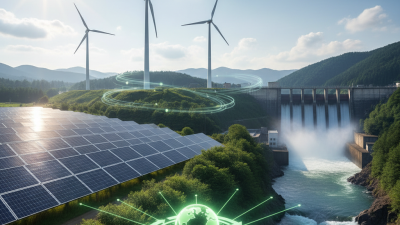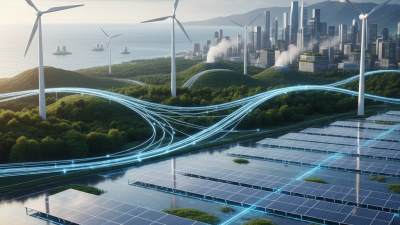

Wind energy is becoming a pivotal force in global energy procurement. In 2022, wind power generated 16% of the world’s electricity. This is up from just 2% in 2000, indicating significant growth. Reports from the Global Wind Energy Council highlight that investments in wind energy are projected to exceed $200 billion annually by 2025. This transition is critical as nations seek to meet their carbon neutrality goals.
The potential of energy wind energy is immense. Countries are increasingly recognizing its capacity to diversify their energy mix. However, challenges remain, including storage and grid integration. Some studies suggest that wind energy could supply 35% of global electricity by 2030. This ambitious target requires cooperation and innovation across various sectors.
As we pivot toward cleaner energy sources, assessing risks is vital. The wind energy sector faces issues like environmental impacts and social acceptance. Addressing these concerns is essential for the sustainable growth of this industry. The path forward is promising, yet navigating these complexities requires transparency and responsibility.
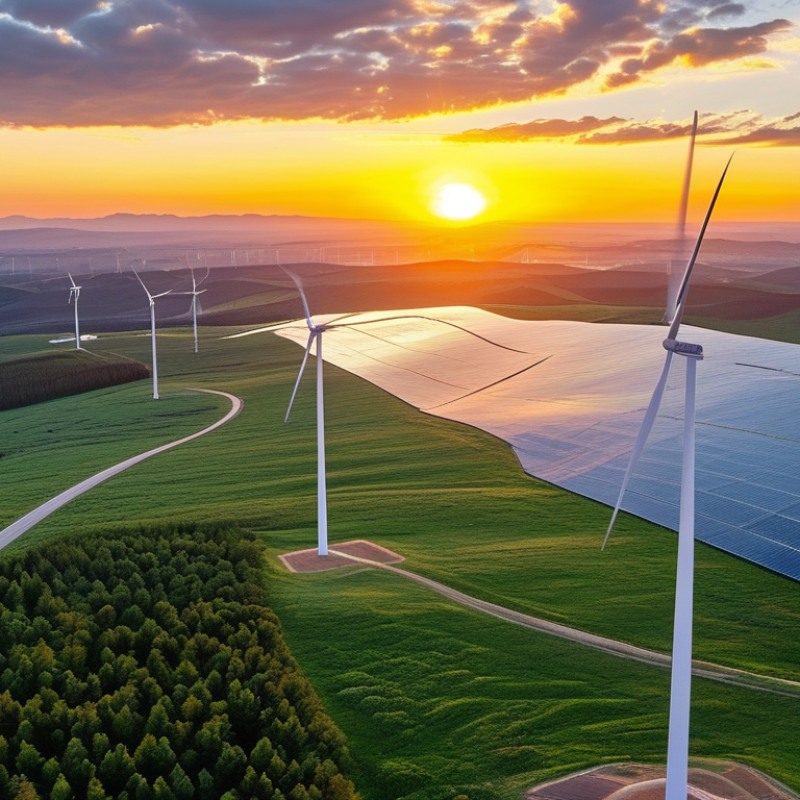
Global energy procurement is at a critical juncture. As countries strive for energy security and sustainability, traditional fossil fuels face increasing scrutiny. A report from the International Energy Agency (IEA) highlights that renewable sources constituted nearly 30% of the world's electricity generation in 2022.
Wind power has grown exponentially, with installed capacity surging to 837 gigawatts in 2022, according to the Global Wind Energy Council. This rise in capacity is not merely an achievement; it reflects a global pivot toward cleaner energy sources. However, challenges remain. The intermittency of wind energy poses risks in reliability. Balancing demand with available supply requires innovative solutions and robust infrastructure.
Developing regions are still heavily reliant on coal and gas. In fact, 80% of energy in some developing countries comes from fossil fuels. Transitioning these economies to wind energy will need more than investment. Education and infrastructure development are key areas that require attention. Collaboration among governments, NGOs, and private sectors can pave the way for a smoother transition to renewable energy. Addressing these aspects can help unlock the true potential of wind energy in global energy procurement.
Wind energy is a vital component in the global effort to reduce carbon footprints. According to the International Renewable Energy Agency (IRENA), wind power could supply up to 35% of global electricity needs by 2050. This shift would significantly decrease greenhouse gas emissions. Wind energy produces electricity without burning fossil fuels. As a result, it contributes to cleaner air and a healthier environment.
Despite its promise, achieving widespread wind energy adoption presents challenges. Intermittency is a key issue. Wind does not blow consistently. This variability can lead to gaps in energy supply. Additionally, not all regions have adequate wind resources. Some areas may not be suitable for wind farms. These factors require careful planning and investment.
Tips: Engage with local communities to raise awareness. Educate about wind energy benefits and potential job creation. Support policy changes that promote renewable energy integration. By addressing these barriers, we can harness wind energy more effectively.
Research from the Global Wind Energy Council shows that expanding wind installations can reduce CO2 emissions by 2.4 billion tons annually by 2030. These reductions are crucial in combating climate change. The transition to wind energy must be accompanied by innovative energy storage solutions. This way, reliability can improve, making wind a staple in our energy mix.
Wind energy presents significant economic advantages for emerging markets. Countries with abundant wind resources can harness this renewable energy source to reduce dependence on fossil fuels. By investing in wind infrastructure, these nations can create jobs. Local communities benefit directly through employment opportunities in manufacturing and maintenance.
The initial costs of wind projects can be high. However, long-term savings on energy costs outweigh these upfront expenses. Wind energy reduces spending on imported fuels and stabilizes energy prices. Moreover, many emerging markets face limited access to reliable electricity. Wind energy can help fill this gap, providing consistent power to underserved regions.
Emerging markets may also face challenges in technology and financing. Learning curves and resource allocation require careful planning. Yet, the potential for enhanced energy security and improved economic stability is compelling. Wind energy can stimulate industrial growth and encourage foreign investment. As countries pursue sustainable development, wind power remains a key player in their economic transformation.
| Country | Annual Wind Energy Production (GWh) | Initial Investment (Million $) | Jobs Created | Reduction in CO2 Emissions (Million Tons) |
|---|---|---|---|---|
| India | 120,000 | 10,500 | 130,000 | 90 |
| Brazil | 80,000 | 6,800 | 75,000 | 60 |
| South Africa | 25,000 | 3,000 | 30,000 | 20 |
| Mexico | 60,000 | 5,200 | 65,000 | 45 |
| Argentina | 20,000 | 2,400 | 20,000 | 15 |
Wind energy holds immense potential to transform global energy practices. Technological innovations are at the forefront of this revolution. Improvements in turbine designs have made wind farms more efficient than ever. Modern turbines can now capture energy from lower wind speeds. This helps in utilizing areas previously considered unfavorable for wind power.
Advanced materials are enhancing turbine durability. For instance, lighter and stronger composites allow for taller turbines. Taller structures can access higher wind currents. Additionally, predictive analytics is optimizing wind farm operations. Sensors collect data to predict maintenance needs. This reduces downtime and maximizes energy production.
Renewable energy storage has also advanced. Battery technologies are evolving, enabling better integration of wind power. However, challenges remain. Variability in wind supply still poses a risk to stable energy delivery. The dependency on wind patterns can lead to energy shortages. Addressing these concerns is crucial for the future of wind energy. All these innovations offer hope but require ongoing scrutiny and refinement.
Wind energy holds great promise for revolutionizing global energy procurement. However, its widespread adoption faces significant challenges. One primary obstacle is the intermittency of wind. The variability of wind speeds can lead to unreliable energy supply. According to the International Renewable Energy Agency (IRENA), countries must invest in energy storage solutions to ensure reliability. Currently, only 8% of global energy storage capacity is dedicated to renewables, highlighting a crucial gap.
Infrastructure also poses a challenge. Many regions lack the transmission systems to transport wind energy from remote locations to urban centers. A study by the Global Wind Energy Council revealed that enhancing grid infrastructure could significantly reduce energy losses. Moreover, financing remains a barrier for developing countries. They often lack access to capital for large-scale wind projects, slowing their transition to renewable energy.
Tips for stakeholders include advocating for policy changes that support wind energy development. Collaborating with local governments to streamline permitting processes can help accelerate project timelines. Investing in education and training for the workforce is essential. This helps to build local expertise and promotes community support for wind projects. In the long run, addressing these challenges can pave the way for a greener energy future.
This chart illustrates the growth of global wind energy capacity from 2015 to 2022, highlighting the increasing adoption of wind energy as a sustainable source of power worldwide.