How to Choose the Right Source of Energy in 2026?
Choosing the right source of energy in 2026 requires more than comparing monthly prices. It demands a practical view of reliability, emissions, technology, and local conditions. A coastal factory may benefit from offshore wind access, while a rural clinic may need solar panels, batteries, and dependable backup power. The best source of the energy depends on how people use it, when demand rises, and what the local grid can provide. Energy decisions should also consider installation costs, maintenance skills, land use, water consumption, and equipment lifespan. Cheap electricity can become expensive when repairs, fuel delivery, or grid interruptions are ignored.
Evidence matters. Recent utility bills, hourly consumption records, weather data, and supplier guarantees can reveal risks that advertisements often hide. Independent lifecycle assessments can clarify whether a system reduces emissions across manufacturing, transport, operation, and disposal. Professional engineers should test capacity plans against heat waves, storms, and unexpected demand. Small pilots may expose weaknesses before a major investment begins. They are not glamorous.
No forecast is perfect. Battery prices may change, policies may shift, and renewable output can vary by season. A responsible decision therefore includes flexibility, transparent assumptions, and regular reviews. Organizations should document why a technology was selected and measure its real performance after installation. Reliability should not be treated as an afterthought. The right choice balances affordability, resilience, environmental responsibility, and community needs. In 2026, informed energy planning is less about finding one universal answer and more about building a system that can adapt without compromising safety or trust.
Defining Energy Needs and Priorities in 2026
In 2026, choosing energy begins with defining the need, not admiring a technology.
Record electricity use in hourly intervals for several weeks, including weekends, cold mornings, and production peaks. A small workshop may need steady power, while a clinic may need uninterrupted power for critical equipment. Peak demand matters as much as monthly consumption. It can determine equipment size, connection fees, and backup capacity. Start with evidence.
Set priorities in writing. Is the main goal lower cost, lower emissions, stronger resilience, or predictable supply? These goals can conflict. A low-carbon option may require storage, grid upgrades, or careful land planning. A diesel-free backup plan is not automatically reliable if batteries lack winter capacity. Ask how the system performs during a three-day outage, not only on a sunny afternoon. Local weather data, maintenance skills, fuel access, and safety requirements should shape the decision. I would avoid promises based on annual averages; real failures happen during unusual weeks.
Compare the full life cycle, including installation, maintenance, replacement, disposal, and financing. Request documented efficiency, outage performance, and emissions assumptions from qualified engineers or audited reports. Then test the proposal against your actual load profile. A spreadsheet can expose hidden gaps. So can a site walk. Leave room for uncertainty. Energy needs change as buildings, vehicles, and working hours change. Review the plan yearly, and record why each priority was chosen. That record may reveal an uncomfortable truth: the cheapest energy is not always the most useful.
Comparing Renewable and Nonrenewable Energy Sources
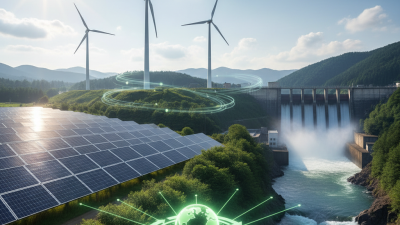
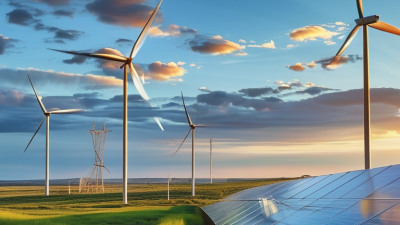
In 2026, choosing an energy source requires more than comparing electricity prices. Renewable energy, including solar, wind, hydropower, and geothermal power, can reduce operational emissions and fuel costs. Solar panels work quietly on rooftops, while wind turbines produce electricity across open coastal or rural areas. However, output changes with sunlight, wind speed, and seasonal conditions. Batteries and stronger grids can help, but they add expense, materials, and maintenance needs.
Nonrenewable sources, such as natural gas, coal, and nuclear fuel, usually provide steadier generation. Gas plants can respond quickly when demand rises on a cold evening. Coal remains energy-dense, yet it releases substantial carbon dioxide and air pollutants. Nuclear power produces low operational emissions, but construction, safety management, and waste storage require strict oversight. These differences matter for hospitals, factories, and communities with limited grid connections.
A reliable comparison should examine the full life cycle, not only the monthly bill. Consider land use, water consumption, mining impacts, equipment lifespan, repair access, and emissions from construction. Local weather data can reveal whether a solar system needs storage or backup generation. An energy audit may also uncover simple savings, such as insulation or efficient lighting. No option is flawless. Renewable projects can disturb habitats, while conventional systems can lock communities into fuel-price volatility. I would question any plan promising cheap, clean, and constant power without trade-offs. Safety records, transparent data, and independent engineering reviews deserve attention before investment decisions are made.
Evaluating Cost, Reliability, and Environmental Impact
How to Choose the Right Source of Energy in 2026?
Choosing energy in 2026 requires more than comparing monthly tariffs. Cost includes installation, maintenance, fuel, grid fees, and eventual replacement. A cheap system may become expensive after repeated repairs. Compare total ownership costs across its expected operating life. Use recent local prices, not optimistic forecasts. Numbers can mislead.
Reliability deserves equal attention. Review outage records, seasonal production, storage capacity, and backup requirements. Weather matters. A solar system may produce less during prolonged winter clouds. Wind output can also change within hours. Ask how quickly the system recovers after disruption. Check technical specifications, independent testing, and local grid data. A practical assessment should include worst-case conditions, not only average performance.
Environmental impact extends beyond carbon emissions. Consider mining, manufacturing, transport, water use, land disturbance, and disposal. Lifecycle studies offer a clearer picture than simple operating emissions. Renewable systems usually reduce pollution during operation, yet their equipment still needs materials and responsible recycling. Fossil-based systems may provide steady power, but their emissions and fuel risks remain substantial. Project reviews often reveal an uncomfortable truth: the cleanest option is not always the most reliable, and the cheapest option may create hidden costs. Use measured evidence, document assumptions, and revisit the decision as technology and local conditions change. No option wins everywhere.
Matching Energy Sources to Different Uses and Locations
How to Choose the Right Source of Energy in 2026?
Matching Energy Sources to Different Uses and Locations
The right energy source depends on the task, site, and local conditions. A city apartment may benefit from grid electricity supported by rooftop solar. A remote clinic needs dependable power, battery storage, and possibly a small generator for emergencies. Location changes everything.
Solar panels suit sunny roofs, open fields, and buildings with daytime demand. Their output falls during cloudy weather and winter afternoons. Wind power can work well on exposed coastlines or plains, but nearby homes may face noise concerns. Hydropower is reliable where rivers provide steady flow, yet drought can reduce production. Geothermal energy offers stable heating in suitable underground conditions. It requires careful geological surveys and significant early investment.
Energy choices should match use patterns, not just production potential. Batteries can store midday solar energy for evening lighting or refrigeration. Heat pumps are efficient for buildings with insulation and moderate temperatures. Heavy industry may require continuous, high-temperature power that intermittent sources cannot provide alone. Local grid capacity also matters. A large project may look excellent on paper but fail when transmission lines are limited.
Reliable planning combines weather records, energy audits, maintenance access, and lifecycle costs. Independent engineers should check resource data and safety assumptions. It is easy to overestimate solar output or underestimate battery replacement costs. I have found that simple site measurements often challenge impressive forecasts. A practical plan may use several sources rather than one perfect answer. The trade-off is less elegant, but often more resilient.
Making an Informed Energy Choice for the Future
Choosing an energy source in 2026 means looking beyond the lowest monthly bill. The better question is how each option performs over time, under pressure, and during supply disruptions. The International Energy Agency’s Renewables 2024 report expects global renewable capacity to grow by almost 5,500 gigawatts between 2024 and 2030. That expansion signals a changing energy system, not a temporary trend.
For households and businesses, compare electricity prices, grid reliability, installation costs, storage needs, and local weather patterns. A solar system may produce strongly on a clear afternoon, but weak output can occur during winter evenings. Wind power faces similar variability. Battery storage can help, although its cost, lifespan, and material supply deserve careful review. The International Renewable Energy Agency reported that 81% of new utility-scale renewable projects commissioned in 2023 produced electricity more cheaply than new fossil-fuel alternatives. Costs still vary by location.
Do not treat one report as a personal guarantee. Your roof angle, building insulation, demand schedule, and grid connection can change the result. IEA’s Electricity 2024 analysis found that renewables and nuclear power were expected to meet all additional global electricity demand through 2026. That is encouraging, but forecasts can miss political, technical, and climate-related shocks. I would test at least three scenarios: stable prices, extreme weather, and delayed equipment delivery. The most responsible choice may still include a mixed system, because resilience is difficult to measure before it is needed.
How to Choose the Right Source of Energy in 2026?
Median lifecycle greenhouse-gas emissions from electricity generation, measured in grams of CO₂-equivalent per kilowatt-hour.
Lower values generally indicate lower lifecycle emissions. The best choice also depends on reliability, local resources, land use, cost, and energy demand. Source: IPCC AR5 lifecycle assessment medians.