

Skip to content

Top 5 Alternative Energy Solutions for Global Buyers Seeking Sustainability?

The pursuit of sustainability is increasingly urgent. Global buyers are seeking practical solutions in the alternative energy sector. According to Dr. Emily Chen, a leading expert in renewable energy, “The transition to alternative energy is not just a necessity; it is an opportunity.” This statement highlights the potential benefits that come with embracing cleaner energy options.

In recent years, businesses have shown a keen interest in the alternative energy market. Wind, solar, and bioenergy are not mere trends; they are becoming essential components of a sustainable future. Companies must assess their energy strategies critically. Adopting alternative energy sources can lead to cost savings, but challenges exist. There may be initial investment concerns and varying regulations across regions.

As we explore five key alternative energy solutions, it becomes clear that each comes with unique advantages and drawbacks. Buyers must navigate these complexities carefully. The responsibility to choose wisely weighs on them. The future of energy depends not only on technological advancements but also on informed decision-making and collaboration.
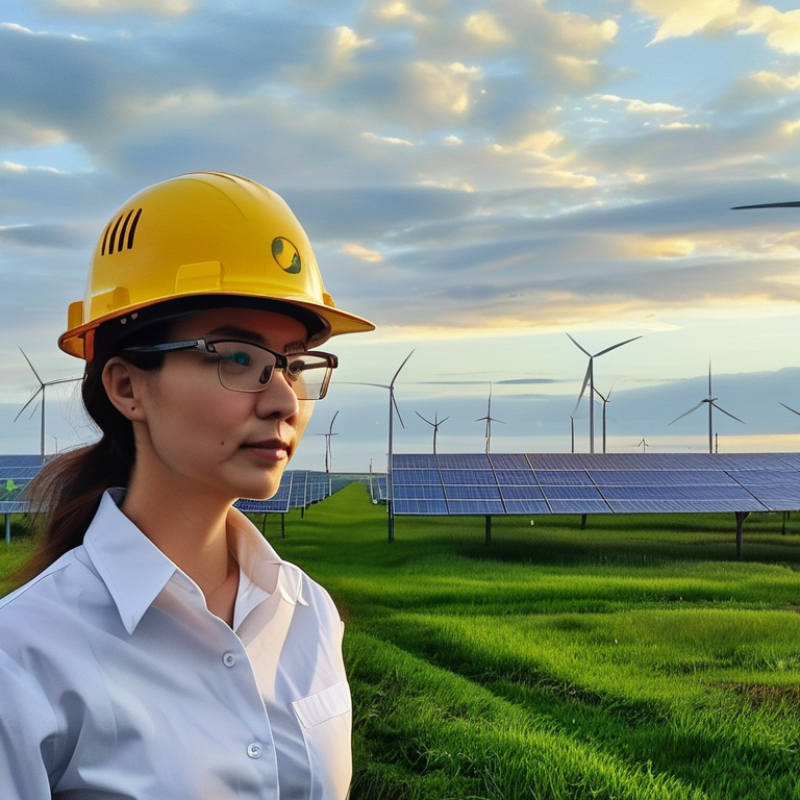
Top 5 Alternative Energy Solutions for Global Buyers Seeking Sustainability?

Overview of Alternative Energy Solutions for Sustainability

As global awareness of environmental issues grows, the search for sustainable energy solutions has intensified. Alternative energy solutions play a vital role in creating a greener future. These solutions include solar, wind, geothermal, hydroelectric, and bioenergy, each offering unique benefits and challenges.

Solar energy has emerged as a prominent contender. It's abundant and increasingly affordable, making it accessible to many. Wind power generates electricity without emissions. However, not all regions have sufficient wind resources. Geothermal energy taps into the Earth's heat, providing a consistent energy source but is location-dependent. Hydroelectric power harnesses water flow, but it can disrupt local ecosystems. Bioenergy, derived from organic materials, is versatile but raises questions about land use and food production.

Tips for adopting alternative energy:
1. Evaluate local resources before choosing a solution.
2. Consider initial investments versus long-term savings.
3. Engage with community initiatives to maximize impact.

While these energy forms are promising, they require careful consideration. Not every solution is suitable for all situations. Challenges, such as high upfront costs for solar panels or potential environmental impacts from bioenergy sourcing, must be acknowledged. Sustainable energy isn’t just about transitioning; it’s about doing so thoughtfully.

Top 5 Alternative Energy Solutions for Global Buyers Seeking Sustainability

This chart illustrates the estimated global adoption rates of various alternative energy solutions. The data underscores the growing importance of sustainability in energy sourcing.

Solar Power: Harnessing the Sun for Clean Energy

Solar power is rapidly transforming the energy landscape. Harnessing sunlight for clean energy reduces reliance on fossil fuels. According to the International Renewable Energy Agency (IRENA), solar energy capacity has expanded by over 20% annually since 2010. This growth showcases not only its efficiency but also its potential for sustainability.

Many global buyers are now considering solar as a primary energy solution. Technological advances have made solar panels more efficient and affordable. A recent report indicates that solar energy could supply up to 30% of global electricity by 2030 if properly deployed. This shift could significantly lower greenhouse gas emissions, aligning with international sustainability goals.

Tips: When investing in solar energy, research local incentives. Check for rebates and tax credits that may reduce upfront costs. Assess your energy needs carefully to choose the right system. Additionally, explore community solar projects. They allow shared access to a solar array, making it easier for those who cannot install panels on their property.

Top 5 Alternative Energy Solutions for Global Buyers Seeking Sustainability

Energy Solution Description Advantages Potential Applications
Solar Power Conversion of sunlight into electricity using photovoltaic cells. Renewable, reduces electricity bills, low operational costs. Residential, commercial, and utility-scale power generation.
Wind Energy Capture of wind energy through turbines to generate electricity. High energy output, scalable, and increasingly cost-effective. Wind farms, offshore platforms, and community grids.
Hydropower Use of flowing water to generate electricity through turbines. Reliable, large-scale generation, and storage capabilities. Dams, run-of-the-river systems, and small-scale projects.
Geothermal Energy Utilization of heat from the Earth’s interior to produce energy. Consistent energy supply and minimal emissions. District heating, power plants, and residential heating.
Biomass Energy Burning organic materials for fuel or conversion to biofuels. Utilizes waste products, renewable, and reduces landfill use. Power generation, heating, and transportation fuels.

Wind Energy: Utilizing Natural Forces for Renewable Power

Wind energy has emerged as a significant player in the pursuit of sustainable power solutions. It harnesses the natural forces of wind to generate electricity. Wind turbines convert kinetic energy from moving air into clean energy. This process reduces reliance on fossil fuels, a crucial step towards mitigating climate change.

However, transitioning to wind energy is not without challenges. The installation of wind farms can disrupt local ecosystems and bird migration patterns. Community acceptance varies, as some residents may find the sight of wind turbines unappealing. Additionally, the energy output is variable and depends on weather conditions, leading to questions about reliability.

Despite these obstacles, the benefits of wind energy are compelling. It’s one of the fastest-growing sectors in renewable energy. Wind power creates jobs and stimulates local economies. With improved technology and better site selection, the efficiency of wind energy continues to increase. The potential for growth in this industry is vast, providing a renewable option for energy consumption worldwide.

Hydroelectric Energy: Capitalizing on Water Resources

Hydroelectric energy has emerged as a vital alternative energy solution. By harnessing the power of flowing water, it offers a sustainable way to generate electricity. According to the International Energy Agency, hydroelectric power accounts for about 16% of global electricity production. This statistic highlights its significant potential in the renewable energy landscape.

However, the implementation of hydroelectric projects requires careful consideration. Ecological impacts can arise, such as disruptions to aquatic ecosystems. Additionally, the construction of dams often necessitates large land alterations. In some cases, local communities are relocated, raising ethical concerns. A study from the World Bank pointed out that careful planning can mitigate some of these issues, but challenges persist.

Despite these challenges, innovative solutions are being developed. Small-scale hydro projects can minimize ecological footprints and provide localized energy. Current trends indicate that the shift toward more sustainable practices is crucial. The World Resources Institute has noted a growing interest in community-based hydro projects, which can enhance local economies while addressing energy needs effectively. This dual benefit makes hydroelectric energy a focal point in the quest for sustainable energy solutions.

Geothermal Energy: Tapping into Earth’s Internal Heat

Geothermal energy represents a significant opportunity for sustainable energy. It harnesses the Earth's internal heat. This energy source is renewable and reliable. Tapping into geothermal energy can reduce reliance on fossil fuels. Many countries have abundant geothermal resources.

While geothermal systems can be expensive to install, the long-term benefits are worth considering. They require less maintenance and have low operating costs. However, not every location is suitable for geothermal energy. Potential buyers should assess their geographic conditions before making decisions.

Tip: Research local geothermal potential. Conduct feasibility studies to evaluate your site's viability.

Geothermal power plants are efficient and can provide consistent energy. The technology relies on drilling deep into the ground. Convincing stakeholders of its benefits can be challenging. There may be social or environmental concerns to address. Open dialogue is essential.

Tip: Engage with local communities early in the process. Addressing concerns can lead to better acceptance and smoother implementation.