

How to Choose the Best Energy Technology for Your Business
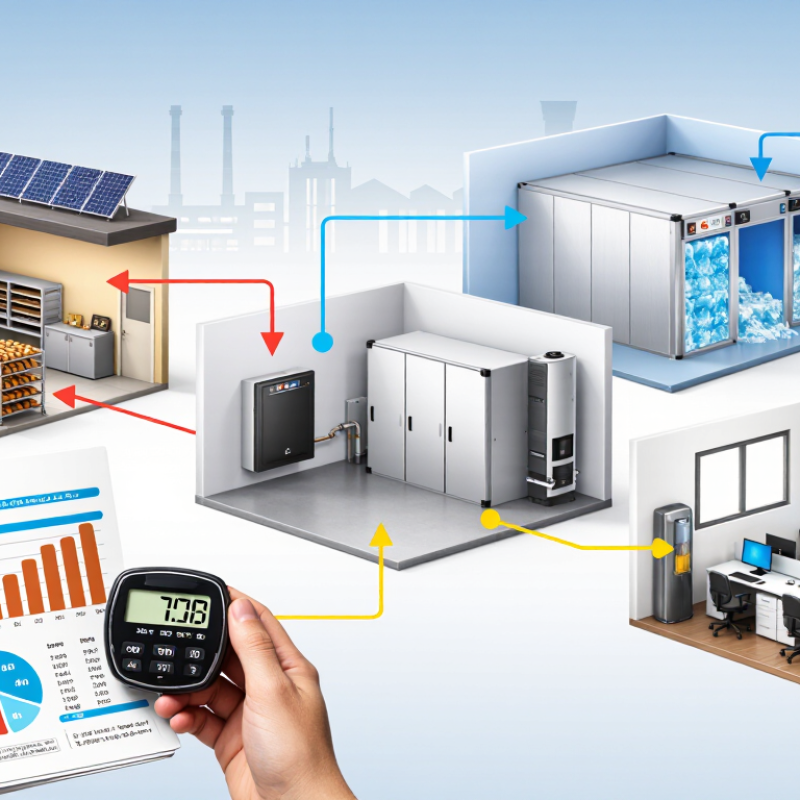
Choosing the right energy solution is a practical business decision, not a contest to buy the newest equipment. A bakery with two ovens, a cold-storage warehouse, and a small office face very different demands. Their operating hours, utility rates, available space, and tolerance for downtime all matter. The best fit starts with real numbers: twelve months of bills, interval meter data if available, and a clear picture of peak demand. Small details count. A shaded roof or a compressor that runs overnight can change the result.
This guide explains how to compare solar panels, battery storage, efficient heating and cooling, and other options against your business needs. It considers upfront cost, ongoing maintenance, expected savings, equipment life, and the reliability of vendor estimates. Ask providers to show their assumptions, including energy prices and system performance. Then compare those estimates with your own records. Be cautious when a proposal promises savings without explaining its method. Technology and energy choices are rarely one-size-fits-all. A battery may support critical equipment during an outage, but it may not pay back quickly under every tariff. There is no perfect option. Sometimes the sensible answer is improving insulation or repairing aging equipment before investing in a larger system. The recommendations here are a starting point, not a substitute for a site assessment. Review technical proposals with qualified professionals, and revisit the decision as your operations change.
Define Your Business’s Energy Needs and Operating Requirements
Choosing energy technology starts with demand, not equipment. Gather twelve months of utility bills and interval data, if available. Note peak demand, seasonal swings, and operating hours. A bakery’s ovens may draw heavily before dawn; an office may peak after sunrise. List critical loads, such as refrigeration, servers, pumps, and production lines. How long can each tolerate an outage? That answer affects whether storage, on-site generation, efficiency upgrades, or a hybrid system deserves evaluation. Include planned expansion. A system sized for today may constrain next year’s operations.
Tips: Compare weekday and weekend use. Check utility bills against equipment schedules. Measure before making assumptions.
Operating requirements matter just as much as total energy use. Record temperature limits, process uptime, available floor or roof space, and maintenance capacity. A technology that saves energy but interrupts production may not fit. Ask staff who operate the equipment daily; they often spot constraints missing from spreadsheets. Our first load estimate is often wrong, especially when temporary equipment or seasonal shifts go unnoticed. Recheck the figures with metering or an energy professional. Document assumptions, including expected operating hours and future loads, so proposals can be compared on the same basis.
How to Choose the Best Energy Technology for Your Business - Define Your Business’s Energy Needs and Operating Requirements
| Business Energy Requirement | Operating Profile to Assess | Potential Technology Options | Why It May Fit | Key Constraints and Questions | Useful Data to Collect |
|---|---|---|---|---|---|
| High daytime electricity use | Loads are greatest during daylight hours, such as for offices, retail spaces, or daytime manufacturing. | On-site solar photovoltaic (PV); energy-efficiency upgrades; demand response | Solar PV generates electricity during daylight, which may coincide with daytime consumption. Efficiency measures can reduce the amount of electricity required. | Generation varies with sunlight and weather. Check roof or site condition, shading, available area, electrical connection limits, and local permitting requirements. | At least 12 months of interval electricity data, monthly bills, roof or site plans, and planned changes in operating hours or equipment. |
| High evening or overnight electricity use | Loads continue after solar generation falls, including around-the-clock facilities and night-shift operations. | Battery energy storage paired with on-site generation or grid electricity; load shifting; energy-efficiency upgrades | A battery can store electricity and discharge it later, helping shift energy use across time. It does not generate energy and must be charged from another source. | Battery duration, usable capacity, charging opportunities, site safety requirements, and the value of the intended use case all affect suitability. | Hourly or finer load data, peak demand, time-of-use tariffs, critical-load list, and the required backup duration, if any. |
| Frequent or costly peak-demand periods | Short periods of high electrical demand contribute significantly to bills or strain site equipment. | Battery storage; automated load controls; demand response; staggered equipment start-up | Reducing or shifting coincident loads can lower peak demand. A battery may discharge during selected peak periods when its controls and economics support that use. | Peak charges and demand-response rules vary by utility and tariff. Controls must not interrupt production or compromise safety. | Interval demand records, tariff details, equipment start-up schedules, and the minimum power required for uninterrupted operations. |
| Significant, steady demand for both electricity and useful heat | Electricity and thermal loads occur at the same time for many operating hours, such as in some food-processing, healthcare, or lodging facilities. | Combined heat and power (CHP); high-efficiency boilers; heat recovery; heat pumps where suitable | CHP produces electricity and captures heat for useful purposes. It is generally more suitable when the recovered heat can be used consistently rather than wasted. | Assess fuel availability, emissions and permitting requirements, maintenance capability, and whether heat and power demand coincide throughout the year. | Electricity and fuel consumption, hourly or seasonal heat demand, required temperature levels, existing boiler efficiency, and emissions limits. |
| Space heating and cooling are major energy uses | Heating and cooling loads vary by season, building use, occupancy, and local climate. | Heat pumps; building-envelope improvements; efficient controls; heat recovery | Heat pumps move heat rather than generating it through direct combustion. Their performance depends on the system design, climate, building, and required delivery temperatures. | Check the existing distribution system, electrical capacity, insulation, ventilation, operating temperatures, and performance during local design conditions. | Fuel and electricity bills, building plans, heating and cooling schedules, equipment condition, and required indoor temperature ranges. |
| Critical operations must continue during grid interruptions | Some or all loads require backup power, with different tolerance levels for brief interruptions and extended outages. | Battery storage; backup generator; microgrid combining generation, storage, and controls | Storage can provide rapid-response power for a limited duration, while a generator can supply power when fuel is available. A microgrid can coordinate multiple resources. | Define which loads are critical, required run time, restart procedures, fuel logistics, emissions rules, islanding capability, and periodic testing needs. | Outage history, critical-load power and energy requirements, acceptable interruption time, required autonomy, and emergency operating procedures. |
| Limited site area or no suitable roof | Available space, structural condition, shading, and ownership or lease terms restrict on-site equipment. | Energy-efficiency upgrades; off-site renewable electricity procurement; demand response; equipment controls | Operational improvements and off-site procurement can address energy goals without installing generation on the building. | Review contract terms, eligibility, procurement rules, local market options, and whether the arrangement matches the business’s reporting requirements. | Site and lease constraints, annual electricity use, procurement objectives, contract duration preferences, and internal reporting criteria. |
| Production is sensitive to voltage or power interruptions | Brief disturbances can damage products, interrupt processes, or require lengthy restart procedures. | Uninterruptible power supply (UPS); power-quality monitoring; controls; backup generation for longer outages | A UPS can bridge short interruptions and support sensitive equipment. It is typically designed around specific loads and is not automatically a substitute for long-duration backup. | Confirm protected-load size, required ride-through time, battery maintenance, integration with generators, and power-quality needs of the equipment. | Power-quality logs, equipment specifications, process restart costs, protected-load inventory, and the required transition time. |
Planning note: Use this table for initial screening, not as a final engineering or financial recommendation. Confirm technology fit with site-specific load data, utility tariffs, local regulations, equipment assessments, and lifecycle cost analysis.
Related Posts
-

How to Choose the Best Technology and Energy Suppliers
-
Top 10 Innovative Solutions for Energy Efficiency You Need to Know
-
How to Source Technology and Energy in 2026?
-

Top 5 Innovations in Electrical Engineering Transforming Solar Energy Systems
-

2025 Guide: Innovative Solutions for Energy Efficiency You Need to Know
-

Revolutionizing Energy Solutions: Innovative Approaches for a Sustainable Future