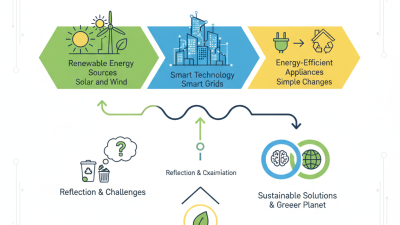

Choosing the best technology and energy suppliers is not a paperwork exercise; it shapes operating costs, service reliability, and a company’s ability to adapt. Small decisions can have visible consequences: a delayed repair, an unclear renewal clause, or a power bill that shifts without warning. Fatih Birol, Executive Director of the International Energy Agency, has said, “Energy is at the heart of all the Sustainable Development Goals.” His observation helps frame supplier choice as more than a price comparison. It is also a decision about resilience, performance, and responsible growth. That matters.
A sound review starts with the work a supplier must actually do. Compare total cost, technical fit, uptime commitments, cybersecurity practices, support response times, and contract flexibility. Ask for evidence: service records, references from similar organizations, transparent fee schedules, and clear escalation paths. For energy providers, examine rate structures, usage data, renewable options, and how estimates differ from actual bills. For technology partners, test the product in a real workflow, not only in a polished demonstration. Look closer. A strong proposal can still hide weak support or costly assumptions. No checklist removes uncertainty, and that deserves honest attention. The guide ahead offers practical questions for comparing options, checking claims, and choosing a partner whose promises remain useful after signing. The goal is not a perfect supplier. It is a dependable, well-matched one.

A 2024 forecast placed global IT spending at $5.06 trillion, reflecting how much organizations are investing in digital tools. That figure is a signal, not a shopping list. Before comparing suppliers, identify the work your technology must support: faster reporting, reliable storage, or secure access across several sites. Write down current costs, expected user numbers, and the problems staff actually face. A spreadsheet that loads slowly at a warehouse desk may matter more than an impressive feature nobody uses. Forecasts are estimates, too; your budget should not assume every market projection will become your reality.
Tips: Ask suppliers to price a defined workload, including setup, support, upgrades, and exit costs. Request measurable service targets and check how energy use is reported. Compare energy offers using the same consumption period and contract assumptions. Keep the evidence: written quotes, service terms, and notes from technical reviews.
Technology and energy decisions affect each other. Data systems need power, while energy contracts can shape operating costs and resilience. Ask whether a proposed system can track consumption at the level you need, and whether its data can be exported in a usable format. Check backup arrangements, maintenance windows, and what happens when service fails. One thing teams sometimes miss: the cheapest offer may shift costs into support or renewal fees. I would still leave room for judgment; a tidy scoring sheet cannot capture every operational inconvenience.
Renewables supplied about 30% of global electricity in 2023, according to the International Energy Agency. That share is a useful starting point, not a promise that every site can run on clean power around the clock. Numbers need context.
When comparing energy suppliers, ask how their electricity mix is measured: annual certificates, direct generation, or hourly matching. These methods can describe different things. Request recent data by source and location, plus a clear explanation of estimated emissions. Check contract terms for price adjustments, backup supply, and what happens during low-wind or cloudy periods. A spreadsheet helps, but a site visit can reveal practical limits, such as roof space, transformer capacity, or a generator missing from sales estimates.
Technology choices should follow the same evidence trail. Compare smart meters, storage, and demand controls against your actual load curve, not a generic savings claim. Ask suppliers to model winter evenings and equipment failures, then verify assumptions against bills and operating records. One awkward question is worth keeping on the table: does the proposed system reduce emissions locally, or mainly shift them elsewhere? The answer may be incomplete. That is a reason to revisit the plan, not hide the uncertainty.
A low quoted price can hide expensive details. Compare setup fees, usage tiers, support, equipment refreshes, energy demand charges, renewal increases, and exit costs. Model total cost over three years, then test a high-use month. Cheap is rarely simple. The forecast will still be imperfect; real usage rarely follows a neat curve.
Reliability needs evidence, not reassurance. Uptime Institute’s 2024 outage analysis found that 54% of respondents’ most recent significant outages cost more than $100,000; 16% exceeded $1 million. Ask suppliers for availability records, recovery targets, maintenance windows, and tested continuity plans. Security needs specifics too. IBM’s 2024 Cost of a Data Breach Report put the global average breach cost at $4.88 million. Request independent audit coverage, incident-notification timelines, encryption details, and clear responsibility for subcontractors. For energy, compare emissions per unit consumed and the accounting boundary, not just renewable claims. The IEA’s Electricity 2024 report projected data-centre electricity use could exceed 1,000 TWh by 2026. Ask for interval-level consumption and verifiable matching of renewable generation. Ask for proof. Sustainability scores can look precise while relying on inconsistent supplier data; record those gaps beside each bid.
A contract can look reassuring until a system fails at 4:30 p.m. on a Friday. Check service levels for measurable response and restoration times, not vague promises of “prompt support.” Confirm support hours, severity definitions, planned maintenance windows, and what happens when targets are missed. A credit may sound useful, but it rarely replaces a working service. Small detail. Ask who records the incident and how you can verify the timeline.
Energy pricing needs the same close reading. Separate the fixed rate from network charges, demand fees, and other pass-through costs. Compare the pricing formula with your actual usage, including seasonal peaks; a low headline rate can hide expensive evening demand. Ask how often prices change and when renewal terms arrive. A sample bill with each charge explained is more useful than a polished sales estimate.
Exit terms deserve attention before you sign. Check the notice period, early termination charges, automatic renewal dates, and any minimum-volume commitments. For technology services, establish how quickly you can export your data and what format you will receive. For energy supply, clarify meter handover steps and the final billing process. I would not assume these details will be easy to negotiate later; I have seen that assumption prove costly. Still, contract language can be hard to interpret, so flag unclear clauses and request plain written explanations before comparing suppliers.
Use this supplier-neutral checklist to compare written proposals. Contract terms, energy charges, and regulatory requirements vary by service, location, and customer type; verify all figures against the applicable contract and tariff documents.
| Assessment area | Data to record | How to evaluate it | Questions and warning signs |
|---|---|---|---|
| Service scope | Included products, sites, user or meter limits, implementation work, and excluded services. | Match each commitment to the required locations, workloads, capacity, and support needs. Record any assumptions that affect price or delivery. | Are essential features, hardware, data migration, network access, or maintenance charged separately? Are scope changes priced by a defined method? |
| Service levels | Availability target, measurement period, calculation method, exclusions, and service-credit schedule. | Check how availability is calculated. A common formula is: (total service time − qualifying downtime) ÷ total service time × 100. Confirm which events are excluded. | Are planned maintenance, third-party failures, or customer-caused incidents excluded? Are credits automatic or claim-based, capped, and the sole remedy? |
| Support and recovery | Support hours, contact channels, severity definitions, response targets, restoration targets, and escalation path. | Compare targets for the incidents that matter most. Distinguish acknowledgement or response time from resolution or restoration time. | Are targets measured in business hours or continuously? Are response targets commitments or estimates? Is there a named escalation process? |
| Energy unit pricing | Price per kWh, unit or time band; fixed or variable status; effective dates; and any consumption conditions. | Compare like-for-like rates and contract periods. For variable pricing, identify the index or calculation method, adjustment frequency, and any limits. | Can the rate change during the term? Are time-of-use periods, peak charges, or volume bands clearly defined? Do not compare unit rates without checking other charges. |
| Energy standing and other charges | Standing charges, demand charges, pass-through items, taxes, and one-time fees, each with its unit and billing frequency. | Estimate total cost using the same expected consumption profile and billing period for each proposal. Separate recurring, variable, and one-time charges. | Are pass-through charges itemized and supported by a stated basis? Are taxes included or excluded? Are fees triggered by meter, site, or account changes? |
| Technology pricing and renewal | Subscription or licence fees, billing basis, implementation costs, usage overages, renewal date, and renewal pricing method. | Calculate expected costs over the full commitment, including setup, support, usage, and renewal periods. Check whether price increases are specified in advance. | Can fees rise at renewal without a cap or notice period? Are minimum seats, usage thresholds, or automatic renewals clearly disclosed? |
| Term and exit rights | Initial term, renewal mechanism, notice deadline, termination rights, early-exit charges, and any minimum purchase obligation. | Map the notice deadline and renewal date on a calendar. Calculate any exit charge using the contract’s stated formula and realistic usage assumptions. | Does the agreement renew automatically? Can either party terminate for material breach or repeated service failure? Are exit fees and notice requirements explicit? |
| Data, portability, and transition | Data ownership, export format, retrieval period, migration assistance, transition fees, and deletion or retention process. | Confirm that data can be retrieved in a usable format and that the exit timeline supports a replacement service or supplier. | Are export tools or assistance separately charged? Is there a defined deletion process? Are transition obligations available after termination? |
| Risk, security, and liability | Security responsibilities, incident notification terms, insurance requirements, liability limits, and exclusions. | Compare obligations with the service’s role and the potential impact of an outage, data incident, or supply interruption. Review the complete agreement. | Do liability exclusions undermine key commitments? Are security duties and incident-notification timelines stated clearly? Are responsibilities split between parties? |
| Evidence and final comparison | Document name, version, date, quoted figures, assumptions, unresolved items, and the person responsible for verification. | Use signed contract schedules, tariff documents, and written clarifications as evidence. Compare total cost, service commitments, flexibility, and exit risk together. | Are proposal statements incorporated into the contract? Are any terms inconsistent across documents? Resolve material gaps in writing before signing. |
Monitor technology and energy suppliers with a small set of measurable indicators: availability, incident response time, repair duration, energy use, and invoice accuracy. Compare each metric with your own operating history and relevant industry data; a sector average alone can hide weak performance at a critical site. Keep records of outages and late deliveries, too. Details matter.
Uptime Institute’s 2024 Annual Outage Analysis reported that 54% of respondents’ most recent significant outages cost more than $100,000. That figure makes recovery time and escalation performance worth tracking, not just uptime.
The International Energy Agency’s Electricity 2024 report projected that electricity use from data centres, AI, and cryptocurrency could exceed 1,000 TWh by 2026.
For energy suppliers, compare consumption, supply interruptions, and emissions data against your facility’s needs and published benchmarks. Check the reporting period and calculation method before comparing figures; they are not always consistent.
No dashboard is perfect. Review exceptions with operations teams, then adjust targets when equipment, workloads, or local conditions change. A benchmark can guide a decision, but it cannot explain every late repair or unexpected bill.