
Wind energy is emerging as a pivotal solution for our energy challenges. As climate change accelerates, reliance on fossil fuels diminishes. Wind energy offers a cleaner, more sustainable alternative. Harnessing the power of the wind can significantly reduce greenhouse gas emissions, contributing to a healthier planet.
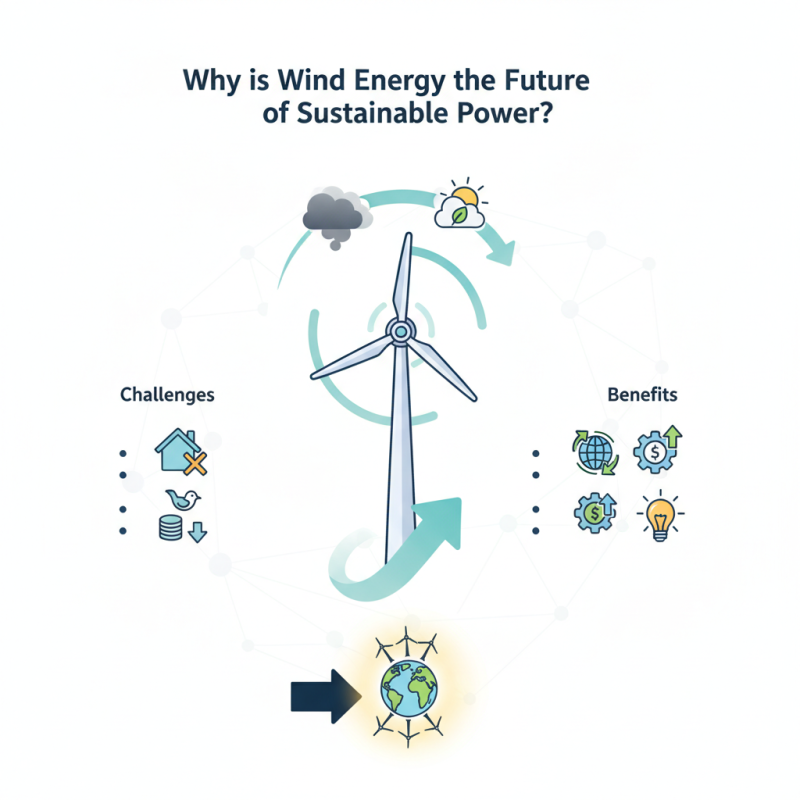
The technology behind wind energy has evolved remarkably. Modern turbines are more efficient and cost-effective. They generate power even in low wind conditions. This efficiency makes wind energy a viable option for many regions worldwide. In addition, many countries are investing heavily in wind farms. However, challenges remain. Some communities face resistance to wind projects due to aesthetic concerns. Others worry about the impact on wildlife, particularly birds.
Despite these hurdles, the potential benefits are clear. Wind energy can help diversify energy sources and enhance energy security. It can create jobs, stimulate local economies, and lower electricity costs in the long run. As we look to the future, promoting wind energy is not just a choice. It is a necessity for sustainable development. The path ahead may be complex, but embracing wind energy is essential for our collective future.
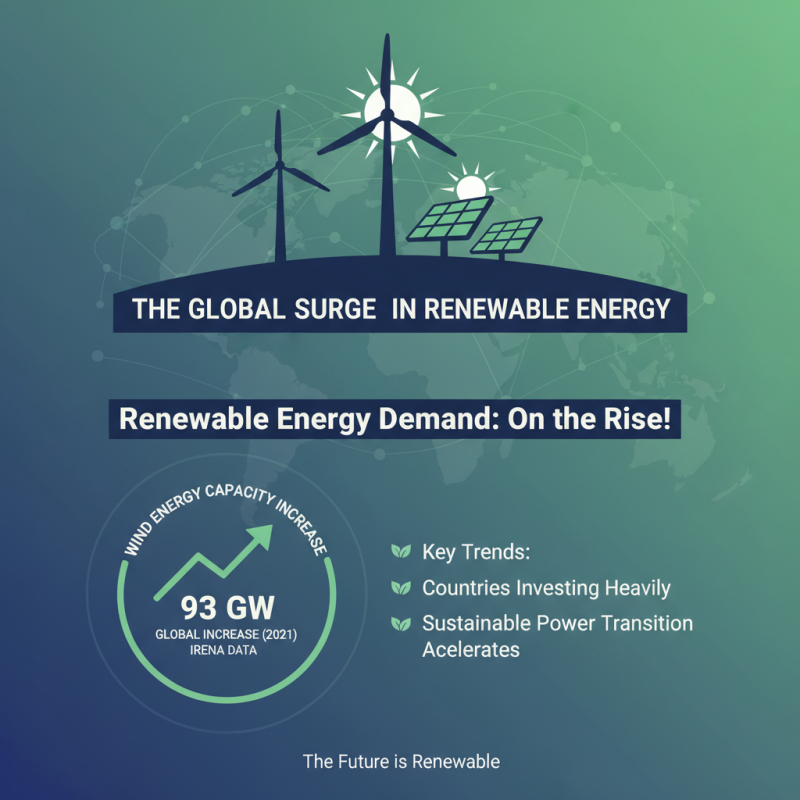
The demand for renewable energy continues to rise. According to the International Renewable Energy Agency (IRENA), wind energy capacity increased by 93 gigawatts globally in 2021 alone. Many countries are investing heavily in this sector. The transition toward sustainable power shows no signs of slowing.
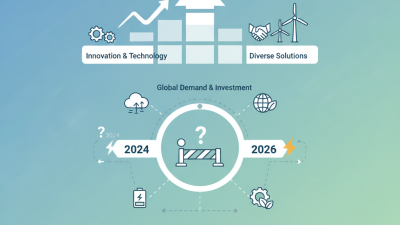
Wind energy offers a promising solution to combat climate change. The global wind power market is projected to grow to $149 billion by 2026, driven by declining costs and technological advancements. With wind turbines becoming more efficient, the average cost of electricity from onshore wind has dropped by 50% since 2009. This reduction raises expectations for global wind expansion. Importantly, as fossil fuels diminish, we must rethink energy strategies.
Local economies are benefiting from this shift as well. The American Wind Energy Association reports that wind energy supports over 100,000 jobs in the U.S. alone. However, challenges exist, such as land use conflicts and intermittent energy supply. Finding solutions to these issues is essential for the future of wind energy. The potential is enormous, but the right balance must be struck for lasting success.
Wind energy stands out among renewable options for several reasons. Its efficiency is remarkable. The wind is abundant and free. Unlike solar energy, wind power can generate electricity day and night. Areas with consistent wind patterns, like coastal regions, maximize energy production. Turbines can be placed both onshore and offshore, providing flexibility in installation.
Cost-effectiveness is another vital aspect. Wind energy often has lower operation and maintenance costs. Once established, wind farms can produce electricity at minimal ongoing expense. This makes wind power an attractive choice for both large-scale and community projects. It also creates jobs in manufacturing and installation.
However, challenges remain. Some communities oppose new wind farms due to noise or aesthetic concerns. Wildlife impacts are also a subject of discussion. Greater awareness and technological advancements may help address these issues. A balanced approach could lead to enhanced public acceptance and better environmental outcomes.
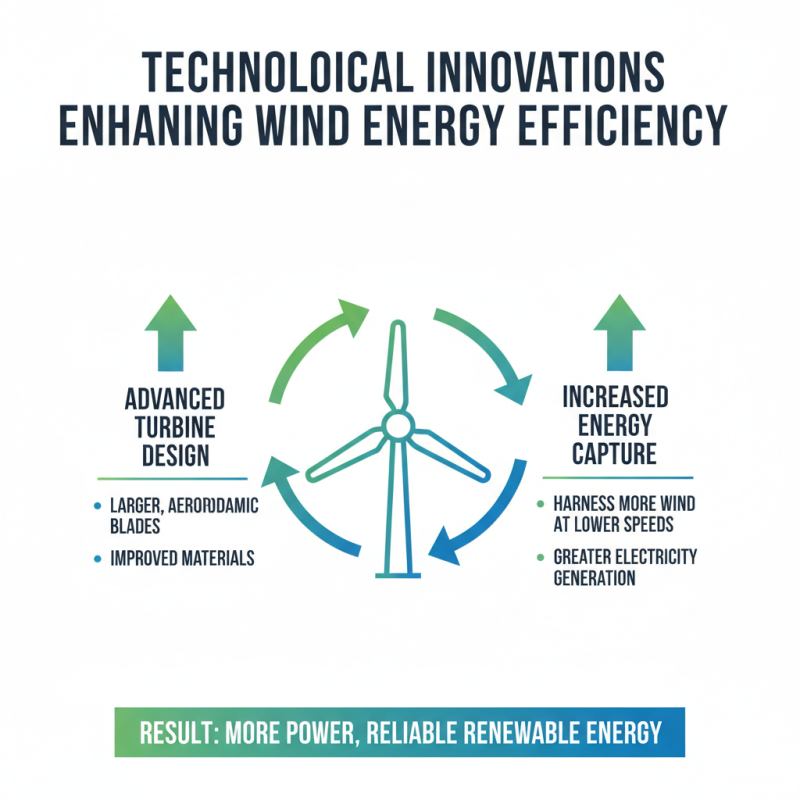
Recent technological advancements are transforming the wind energy sector. Innovations in turbine design have led to increased efficiency. Modern turbines can now harness more wind energy than ever before. These larger and more aerodynamic blades capture stronger winds. They operate at lower speeds while generating more electricity.
Digital technologies improve wind farm management. Sensors collect data on performance and environmental conditions. This information helps optimize energy production. Machine learning algorithms analyze data to predict maintenance needs. These proactive measures reduce downtime and increase reliability. The result is a more sustainable energy source.
However, challenges remain. The manufacturing process of turbines can be resource-intensive. There is a need for more eco-friendly materials. Integration into existing power grids also poses issues. Balancing wind energy with other sources is crucial for stability. Despite these challenges, the future of wind energy looks promising. Its potential to contribute to a sustainable energy landscape is significant.
Wind energy stands out for its minimal environmental impact compared to fossil fuels. According to the Global Wind Energy Council, the sector has reduced carbon dioxide emissions by over 1.1 billion tons annually. This significant figure shows the potential for wind power in combating climate change. Wind turbines generate electricity without air pollutants, improving local air quality. They utilize an inexhaustible resource: wind.
However, wind energy is not without challenges. The installation process can disrupt local ecosystems, particularly for bird and bat populations. Research indicates that improper siting of wind farms can lead to increased wildlife mortality. A study from the National Renewable Energy Laboratory highlights the need for better planning to mitigate these impacts. More comprehensive assessments could enhance sustainability efforts.
Recycling of turbine materials remains a concern. As wind turbines age, millions of tons of composite materials will require disposal. Currently, only 10% of the blades are recycled, posing potential environmental risks. This highlights the importance of developing innovative recycling technologies. Such advancements will be crucial for long-term sustainability in the wind energy sector.
| Aspect | Details | Impact | Sustainability Rating |
|---|---|---|---|
| Carbon Emissions | Wind energy produces no carbon emissions during operation. | Significantly reduces greenhouse gases. | Excellent |
| Land Use | Requires large areas, but can coexist with agriculture. | Moderate impact on land use | Good |
| Noise Pollution | Wind turbines generate noise, but modern designs are quieter. | Minimal impact with advancements in design. | Fair |
| Wildlife Impact | Can affect bird and bat populations; mitigation strategies in place. | Variable impact, requires ongoing monitoring. | Fair |
| Renewability | Wind is a renewable resource that is not depleted. | Sustainable and infinite power source. | Excellent |
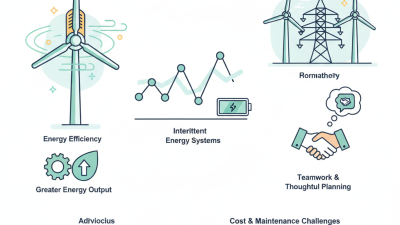
Wind energy is poised to play a crucial role in sustainable power generation. However, its development faces several challenges that need addressing. One significant issue is the inconsistency of wind. Reports indicate that wind energy production can fluctuate by up to 50% due to changes in weather patterns. This variability complicates energy planning and grid stability.
Another challenge is the environmental impact of wind farms. While they generate clean energy, concerns about land use, wildlife disruption, and noise pollution persist. A comprehensive study by the International Renewable Energy Agency found that nearly 20% of wind projects faced opposition from local communities, hindering expansion efforts. Efforts to balance ecological concerns with energy needs are imperative for future growth.
The future prospects for wind energy are promising, especially with advances in technology. The Global Wind Energy Council projects that wind power capacity could grow by over 600 GW by 2025. Innovations in energy storage and grid management may also help mitigate the challenges associated with intermittency. Continued investment in research and community engagement will be vital for overcoming obstacles and maximizing the potential of wind energy as a cornerstone of sustainable power.