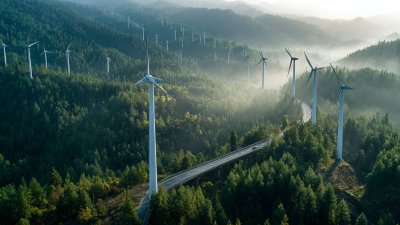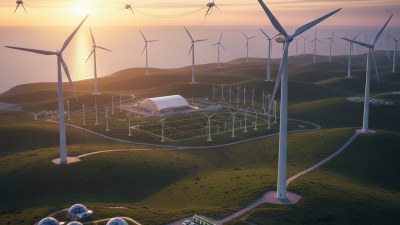

Energy is vital for our daily lives. Understanding the various sources of energy can empower us to make informed choices. The world relies on different energy types, from fossil fuels to renewables.
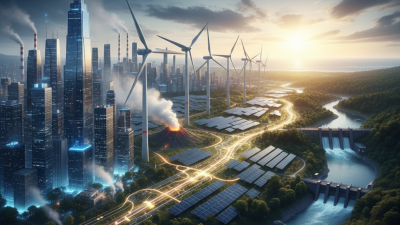
Sources of energy shape our environment and economy. Fossil fuels, like coal and oil, have powered industries for decades. However, their environmental impact raises concerns. Renewable energy sources provide a cleaner alternative. Wind, solar, and hydropower show great promise. Yet, these technologies often face challenges in implementation and efficiency.
By exploring energy sources, we can think critically about sustainability. Each energy type has its advantages and drawbacks. Awareness of these factors pushes us to seek better solutions. The conversation about sources of energy is ongoing, and it demands our attention.
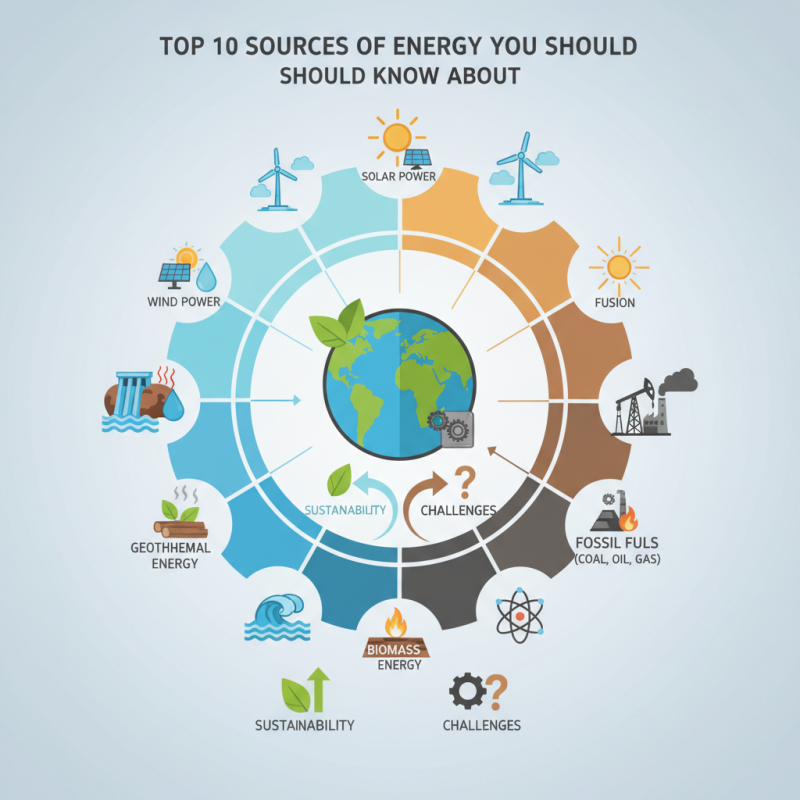
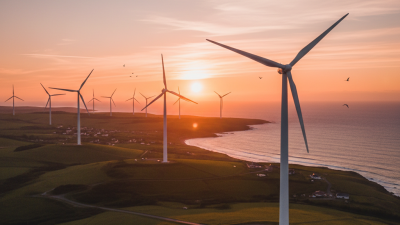
Renewable energy sources are essential in our modern world. They help reduce greenhouse gas emissions, thus combating climate change. Solar energy harnesses sunlight through panels, while wind energy captures air currents using turbines. Both methods are increasingly popular across the globe.
Hydropower relies on water flow to generate electricity. It can be effective but can disrupt local ecosystems. Biomass turns organic materials into energy. While it reduces waste, it also can foster deforestation if not managed properly. Geothermal energy taps into the Earth's heat, providing a stable energy source but is limited to specific regions.
Many of these sources still face challenges. Storage solutions for solar and wind energy need improvement. Communities often resist projects near their homes due to noise or visual impacts. We must consider these concerns as we shift towards cleaner energy. Balancing progress with environmental integrity is key. Each energy type has strengths and weaknesses, requiring careful evaluation for a sustainable future.
The world heavily relies on non-renewable energy sources, particularly fossil fuels. Coal, oil, and natural gas power our homes and vehicles. They are convenient but have significant drawbacks.
Emissions from burning these fuels contribute to climate change. The air quality suffers in urban areas due to pollutants.
Many countries struggle with this dependence. They face energy security risks. Events like geopolitical tensions can disrupt supply chains. The extraction process also raises ethical concerns.
Oil drilling often harms ecosystems. Communities near extraction sites feel the impact.
Transitioning to renewable energy is challenging. However, fossil fuels remain dominant. Society must find a balance. Innovations like carbon capture are emerging, but they aren’t widespread.
The conversation about energy sources requires urgency and awareness. The flaws in current systems cannot be ignored.
Energy consumers play a part too; awareness drives change.
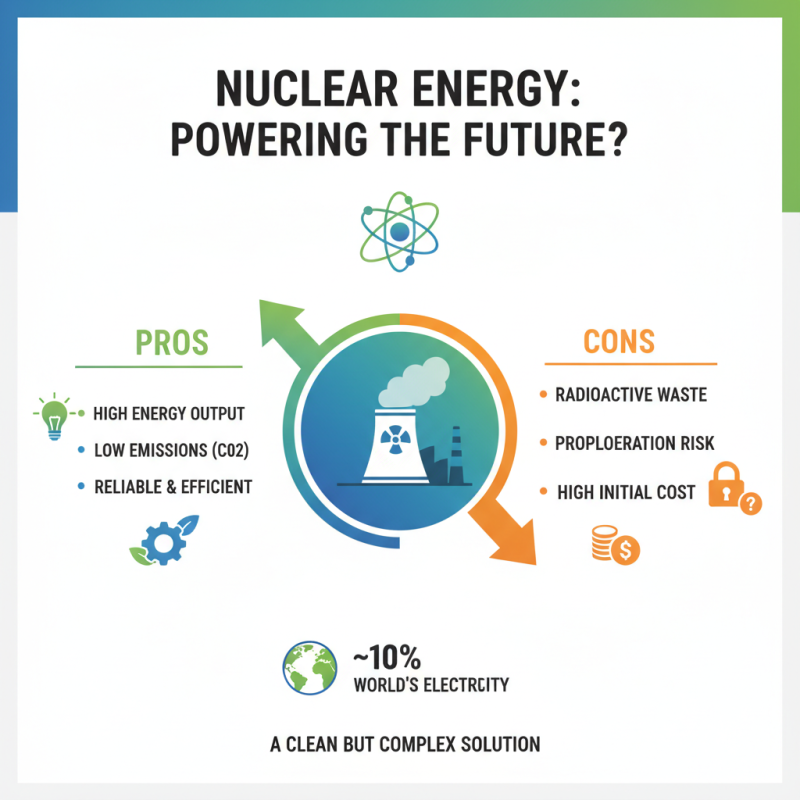
Nuclear energy stands out as a powerful alternative in today's energy landscape. It offers a high energy output compared to fossil fuels. Many countries rely on nuclear plants to meet their energy needs. These plants generate electricity efficiently and emit low greenhouse gases. However, this energy source brings its own controversies.
Concerns about safety loom large. Incidents in history have raised doubts about nuclear energy's reliability. Accidents can lead to devastating consequences. The disposal of nuclear waste poses another significant issue. Long-term storage solutions are still being debated. This uncertainty leads to public resistance in some regions.
Despite its potential for clean energy, nuclear energy requires thorough consideration. Balancing the benefits with risks is crucial. The conversation about nuclear energy must include both its advantages and concerns. Finding solutions for safety and waste management is essential for its future.
Emerging technologies are shaping the future of energy solutions. Renewable sources are no longer just dreams. Solar panels now grace rooftops everywhere. Wind turbines spin gracefully, harnessing powerful gusts. These innovations promise cleaner energy. Yet, challenges remain.
Battery storage technology is pivotal. We need better ways to store renewable energy. Current solutions often fall short. They can be expensive and limited in capacity. Improvements are underway, but results are slow. Researchers are exploring new materials and designs to enhance efficiency.
Hydrogen energy is another area gaining attention. It offers a clean fuel option. However, production methods often rely on fossil fuels. The process needs refinement. Some projects are promising, but many are still in early stages. Investment in research is essential to overcome these hurdles.
| Energy Source | Type | Renewable | Global Usage (%) |
|---|---|---|---|
| Solar Energy | Renewable | Yes | 3.0 |
| Wind Energy | Renewable | Yes | 5.3 |
| Hydropower | Renewable | Yes | 16.2 |
| Biomass | Renewable | Yes | 2.1 |
| Geothermal Energy | Renewable | Yes | 0.4 |
| Natural Gas | Fossil Fuel | No | 24.5 |
| Coal | Fossil Fuel | No | 28.0 |
| Nuclear Energy | Non-renewable | No | 10.2 |
| Tidal Energy | Renewable | Yes | < 0.1 |
| Hydrogen | Renewable / Non-renewable | Yes | < 1.0 |
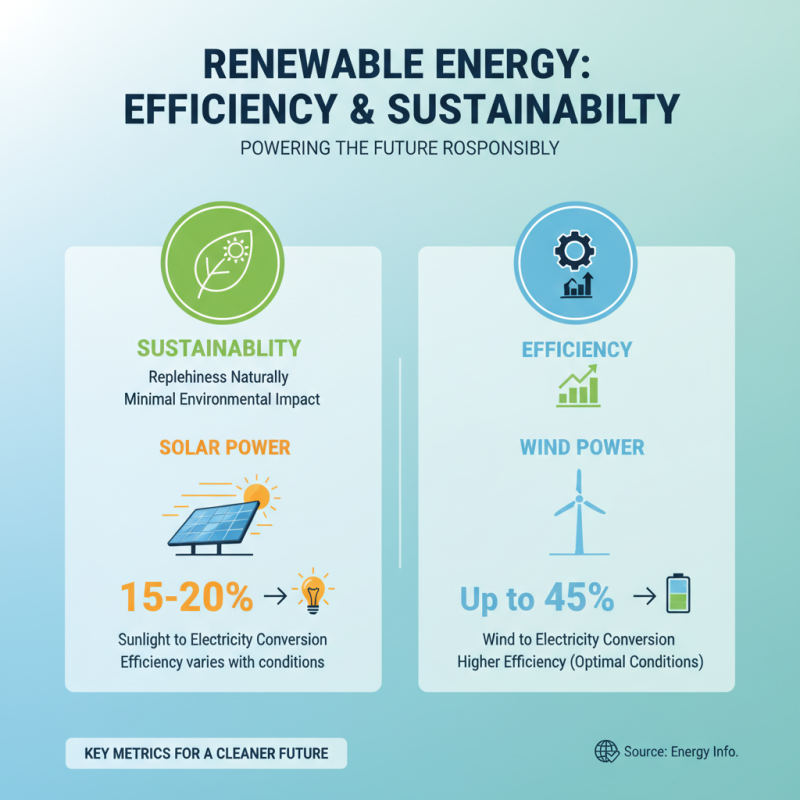
When analyzing energy sources, efficiency and sustainability are crucial metrics. Renewable energy sources, such as solar and wind, are often seen as the best options. They utilize natural processes that are replenished, minimizing environmental impact. The efficiency of these sources varies. Solar panels typically convert about 15-20% of sunlight into electricity. Wind turbines can achieve higher efficiency, reaching up to 45% in optimal conditions.
Yet, these renewable sources face challenges. Solar energy production drops at night. Wind energy relies on consistent wind patterns, which aren’t guaranteed. Comparatively, fossil fuels, while providing high energy outputs, pose severe environmental risks. They release greenhouse gases and contribute to climate change. Their efficiency is often overshadowed by their long-term damage to ecosystems.
Nuclear energy stands out for its low emissions and high efficiency. It generates substantial power from small amounts of fuel. However, nuclear waste management remains a significant issue needing urgent solutions. Each energy source has its trade-offs, reflecting our complex relationship with energy production. Finding the right balance between efficiency and sustainability requires continuous reflection and innovation.