
Skip to content

Top Sources of Power and Energy for a Sustainable Future?

As the world grapples with environmental challenges, the quest for sustainable power and energy sources intensifies. Experts highlight the need for innovation and adaptability. Dr. Sarah Thompson, a renowned energy analyst, once stated, "The future of power and energy lies in integrating diverse sources." This perspective opens doors to discussions about renewables and efficiency.

Hydropower, solar, and wind energy dominate current discussions. However, implementation can prove complex. Regional disparities in resource availability hinder progress. Many communities face barriers to accessing renewable technologies. These obstacles challenge our vision of a sustainable future.

The ongoing shift toward sustainable power and energy demands reflection. Not all solutions fit every region. Local ecosystems and economies need tailored approaches. Diversity in energy sources offers hope but requires collaboration and investment. Balancing innovation with practicality is vital for effective transition.
Top Sources of Power and Energy for a Sustainable Future?

Renewable Energy Sources: Solar, Wind, and Hydro Power Explained
Top Sources of Power and Energy for a Sustainable Future?

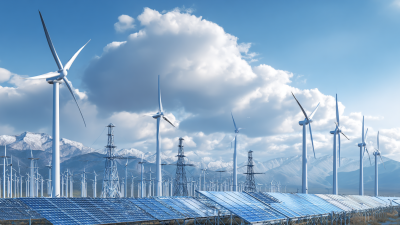
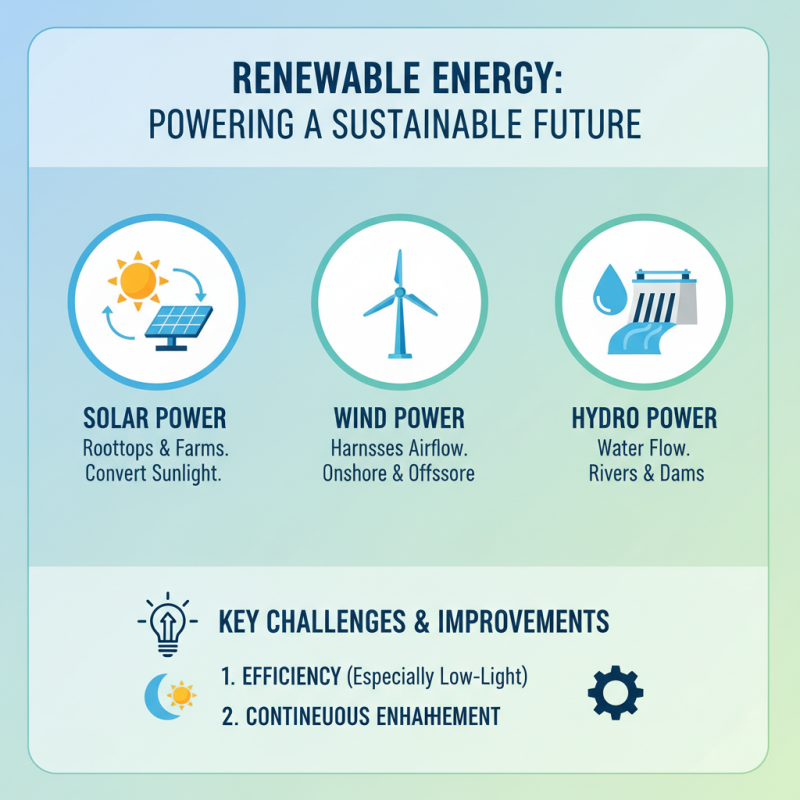
Renewable energy sources are vital for a sustainable future. Solar, wind, and hydro power are leading this transformation. Solar panels capture sunlight and convert it into electricity. They can be installed on rooftops or in solar farms. This technology has been improving, but challenges remain. Efficiency still needs enhancement, especially in low-light conditions.

Wind energy harnesses the power of the wind using turbines. This source can produce significant energy, especially in coastal areas. However, concerns about noise and wildlife impact must be addressed. Not every location is suitable for wind farms, which can limit potential sites.

Hydro power relies on flowing water to generate energy. Dams can create large reservoirs, but they also disrupt local ecosystems. Many communities face difficult decisions about energy needs vs. environmental impact.

Tips: Look for local incentives for renewable energy. Even small installations can make a difference. Educating yourself can help you choose wisely. Your choice of energy impacts not only you but also future generations.
The Role of Nuclear Energy in a Sustainable Future

Nuclear energy plays a crucial role in achieving a sustainable future. It generates electricity with low greenhouse gas emissions. According to the World Nuclear Association, nuclear power produces about 10% of the world’s electricity. It can be a reliable alternative to fossil fuels. In the face of climate change, reducing carbon emissions is vital.

However, challenges exist. Safety concerns regarding nuclear plants remain. The accidents at Chernobyl and Fukushima highlighted potential hazards. Public perception is often negative. Some communities resist new nuclear projects. Yet, advancements in technology, such as small modular reactors, promise increased safety and efficiency. A report by the International Atomic Energy Agency (IAEA) notes that modern reactors are designed to withstand extreme conditions.

Nuclear energy also offers a stable power supply. Unlike solar and wind, it isn't weather-dependent. This reliability can complement renewable sources. It can bridge gaps when renewable outputs fluctuate. But the question of nuclear waste management persists. Long-term storage solutions need addressing. Society must weigh the benefits of nuclear energy against its risks.

Top Sources of Power and Energy for a Sustainable Future

Energy Source Contribution to Global Energy Mix (%) Carbon Emissions (gCO2/kWh) Sustainability Rating
Nuclear Energy 10 12 High
Solar Energy 20 40 High
Wind Energy 10 11 High
Hydropower 15 9 High
Natural Gas 24 450 Medium
Coal 26 900 Low

Emerging Technologies: Geothermal and Biomass Energy Sources

Top Sources of Power and Energy for a Sustainable Future?

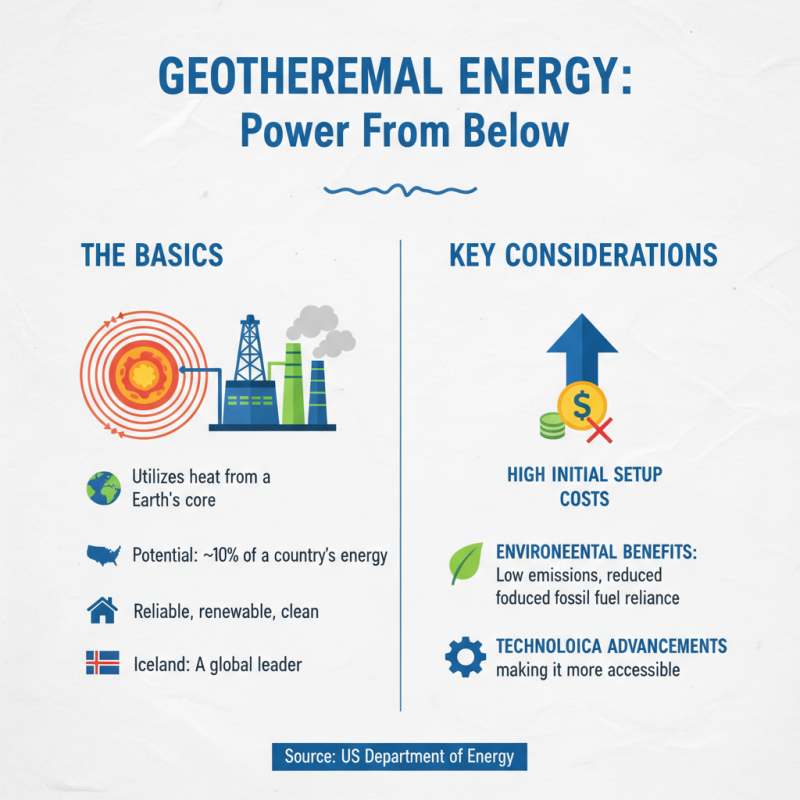
Geothermal and biomass energy sources are gaining traction as sustainable alternatives. Geothermal energy utilizes heat from the Earth. According to the U.S. Department of Energy, this resource can supply about 10% of the country’s energy needs. Countries like Iceland leverage geothermal plants to power homes and industries. Yet, the initial setup costs can be high, which may deter some investments.

Biomass energy comes from organic materials. In 2021, biomass accounted for about 5% of the total U.S. energy consumption. It can be generated from waste products, making it a smart option for reducing landfill use. However, some biomass practices can lead to deforestation, impacting ecosystems. Balance is essential in harvesting these resources responsibly.

Tips: Explore local incentives for renewable energy projects. Collaborate with research groups to analyze environmental impacts. Stay informed about new technologies that might reduce costs while improving efficiency. Embrace trial and error in your sustainability efforts, as learning from setbacks is crucial.

Energy Storage Solutions: Batteries and Innovative Technologies

Energy storage solutions play a crucial role in achieving sustainability. Batteries are the most common type of energy storage. They store surplus energy generated from renewable sources. Often, the current technology has limitations. Batteries can degrade over time. This leads to reduced efficiency and increased waste.

Innovative technologies are emerging. For instance, flow batteries and solid-state batteries show promise. These types might overcome some traditional limitations. However, challenges remain. Research is still needed to improve longevity and reduce costs. Some technologies may take years to become viable.

The quest for efficient storage continues. Solutions must blend innovation with practicality. As we explore alternatives, embracing imperfection is essential. This journey will not be quick or easy. It requires persistent effort, collaboration, and critical evaluation. Only then can we create a truly sustainable energy future.

Policy and Investment Strategies for Sustainable Energy Development

Energy policy is increasingly focused on sustainability. Governments and organizations must invest in renewable sources, like solar and wind. These energy types offer cleaner alternatives to fossil fuels. However, reliance on these sources can be challenging. Weather conditions affect their reliability.

Investment strategies play a critical role in this transition. Policies should encourage innovation in energy storage technology. This can help mitigate supply issues. Financial incentives for businesses willing to invest in green technology are essential. Many companies remain reluctant due to high upfront costs.

Balancing energy demands with sustainable practices is complex. The shift requires social acceptance and adaptation. Communities need education on the benefits of sustainable energy. Public support can influence policy changes. Together, these efforts can pave the way for a greener future.