
In the quest for a sustainable future, the transition to renewable energy sources has become more crucial than ever. As the world grapples with the pressing challenges of climate change, dwindling fossil fuel reserves, and increasing energy demands, identifying the most effective energy sources is of paramount importance. This article delves into the top 10 energy sources of energy that promise to pave the way for a cleaner, greener planet. By exploring the potential of these sustainable options, we can gain insight into how they can be harnessed to not only meet our energy needs but also reduce our environmental footprint.
Understanding the various energy sources available today requires a comprehensive overview of their benefits, challenges, and applicability in different contexts. From solar and wind power to hydropower and geothermal energy, each source has unique characteristics that contribute to its overall viability. Moreover, this article will outline how these energy sources can be integrated into existing systems, promoting a shift towards a more resilient and sustainable energy infrastructure. Ultimately, the transition to renewable energy sources is essential for future generations, ensuring that they inherit a planet capable of supporting diverse ecosystems and human endeavors.

Sustainable energy plays a crucial role in addressing the pressing environmental challenges faced by our planet today. The traditional reliance on fossil fuels has led to significant greenhouse gas emissions, contributing to climate change, air pollution, and depletion of natural resources. In contrast, sustainable energy sources, such as solar, wind, and hydroelectric power, offer cleaner alternatives that can be replenished naturally. By transitioning to these energy sources, we not only reduce our carbon footprint but also promote a healthier ecosystem for future generations.
Moreover, sustainable energy is vital for fostering economic growth and energy independence. By investing in renewable energy technologies, countries can reduce their reliance on imported fossil fuels, thereby enhancing energy security and creating local jobs in manufacturing, installation, and maintenance sectors. The integration of sustainable energy sources into our energy mix also supports the diversification of energy infrastructure, helping to stabilize energy prices and enhance resilience against fluctuating markets. In essence, embracing sustainable energy is not just an environmental imperative, but a pathway to sustainable economic development and social equity.
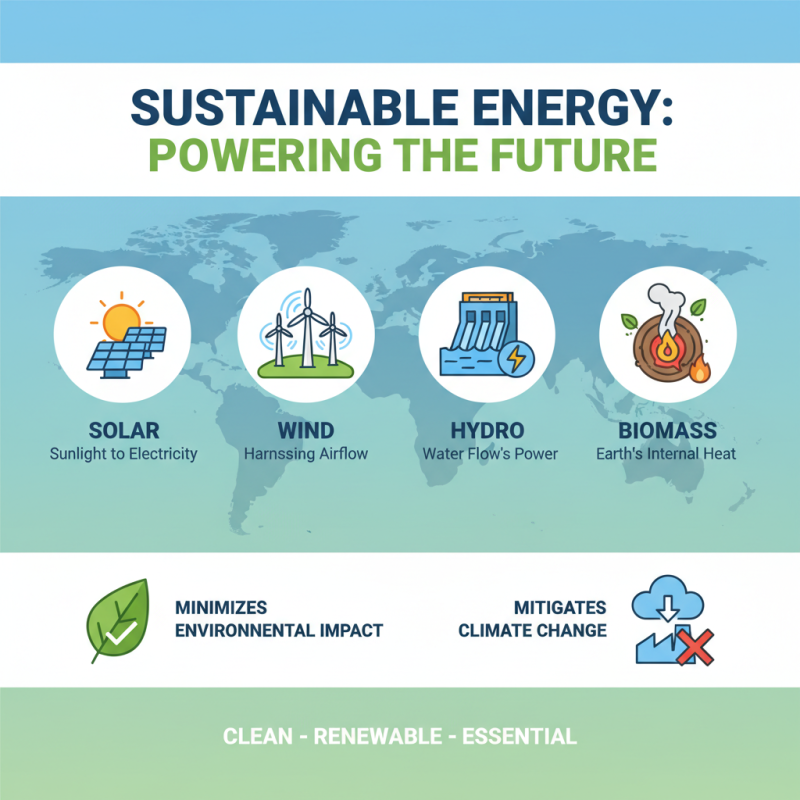
Renewable energy sources are at the forefront of efforts to create a sustainable energy future. These sources, derived from natural processes that are replenished constantly, offer a viable alternative to fossil fuels. Solar energy, for instance, harnesses the power of the sun, providing an abundant and clean source of electricity. Wind energy captures the kinetic energy generated by wind, making it another significant player in the renewable sector. Both of these resources not only help reduce greenhouse gas emissions but also promote energy independence and security.
Other notable renewable energy sources include hydroelectric power, which utilizes flowing water to generate electricity, and biomass energy, derived from organic materials. Geothermal energy taps into the Earth’s internal heat, offering a consistent and reliable power supply. As technology advances, these energy sources become more accessible and efficient, making it easier for communities and businesses to transition towards sustainable practices. Embracing renewable energy is crucial for mitigating climate change and ensuring a cleaner environment for future generations.
| Energy Source | Type | Renewable | Carbon Footprint (gCO2/kWh) | Global Capacity (GW) |
|---|---|---|---|---|
| Solar Energy | Photovoltaic | Yes | 20 | 1000 |
| Wind Energy | Onshore & Offshore | Yes | 11 | 850 |
| Hydropower | Hydroelectric | Yes | 5 | 1300 |
| Geothermal Energy | Geothermal Plants | Yes | 10 | 15 |
| Biomass | Biomass Power Plants | Yes | 20 | 150 |
| Nuclear Energy | Nuclear Fission | No | 0 | 400 |
| Tidal Energy | Tidal Generators | Yes | 0 | 0.5 |
| Wave Energy | Wave Energy Converters | Yes | 0 | 0.3 |
| Natural Gas | Fossil Fuels | No | 400 | 1500 |
| Coal | Fossil Fuels | No | 900 | 2000 |
Sustainability in energy production is essential for mitigating climate change and preserving natural resources. The top ten energy sources that contribute to a sustainable future include solar power, wind energy, hydroelectric energy, geothermal energy, and biomass. Each of these sources harnesses nature's power while minimizing environmental impact. Solar panels, for instance, convert sunlight directly into electricity, providing clean energy for homes and businesses.
When considering sustainable energy sources, it's important to remember a few key tips. First, invest in energy efficiency. Utilizing energy-efficient appliances and technologies can significantly reduce the overall demand for energy, making sustainable sources more effective. Second, consider local energy production. Supporting community-based renewable energy projects can bolster local economies and reduce transmission losses from distant energy sources. Finally, stay informed about energy trends and advancements. Knowledge about emerging technologies can guide you toward the most effective sustainable choices for your energy needs.
Embracing these top energy sources not only leads to a cleaner environment but also paves the way for a more resilient and sustainable future. As individuals and communities transition to these alternative sources, we can collectively reduce our carbon footprint and promote ecological well-being.
When exploring sustainable energy sources, it’s essential to understand the advantages and limitations of each option. Solar energy, derived from sunlight, is abundant and renewable, though it requires significant land space and optimal weather conditions for effectiveness. Wind energy, generated through turbines, offers a clean alternative but can be intermittent, depending heavily on local weather patterns. Hydropower harnesses the energy of flowing water, providing a stable energy source, but its environmental impact, including ecosystem disruption, must be carefully managed.
Geothermal energy offers a reliable and consistent energy source by utilizing heat from the Earth’s interior. However, it is location-dependent and may not be feasible in all regions. Biomass energy, created from organic materials, can reduce waste and offer a renewable energy source. Still, it's crucial to ensure that its production does not lead to deforestation or competition with food supplies. Each energy source has unique characteristics, influencing its role in a sustainable energy future.
Tip: When considering sustainable energy options, evaluate local resources and environmental impacts to make informed decisions. Moreover, diversifying your energy portfolio by integrating multiple sources can enhance energy security and reduce reliance on a single type of energy. Always stay updated on advancements in technology and policy changes that may affect available energy sources in your area.
The future of sustainable energy development is marked by an increasing emphasis on innovative technologies and renewable resources. As nations strive to reduce carbon emissions and combat climate change, the shift towards cleaner energy sources such as solar, wind, and hydropower is becoming more pronounced. Moreover, advancements in energy storage solutions, including battery technologies, are crucial in enhancing the reliability and efficiency of these energy sources. The integration of smart grids is also anticipated to transform how energy is distributed and utilized, securing a more sustainable and resilient energy infrastructure.
**Tips for Embracing Future Energy Trends:**
- Stay informed about emerging technologies in renewable energy and how they can be implemented locally.
- Consider investing in energy-efficient appliances and technologies to reduce overall energy consumption while supporting sustainable practices.
- Advocate for community initiatives that promote the use of renewable energy sources, encouraging local governments and businesses to adopt similar measures.
In addition, the role of policy and regulation cannot be understated in this transition. Governments are beginning to set more ambitious targets for renewable energy adoption and are incentivizing investment in clean technologies. Collaborations between the public and private sectors will likely accelerate advancements in sustainable energy, leading to innovative solutions that can be scaled globally. Engaging in educational programs and community partnerships can amplify efforts to drive meaningful change and cultivate a shared vision for a sustainable energy future.