

Top 10 Clean Energy Sources Everyone Should Know About?
Clean energy is becoming increasingly vital in today’s world. As climate change looms large, understanding clean energy sources is crucial for a sustainable future. This article explores the top 10 clean energy sources that everyone should know about.
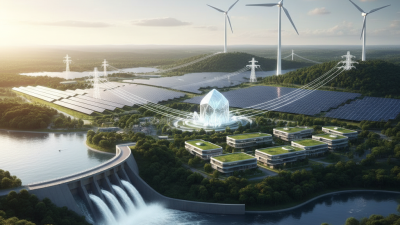
Clean energy comes from natural processes. These sources are replenished constantly. Solar power harnesses sunlight to generate electricity. Wind energy uses airflow to produce power. Hydropower generates energy from flowing water. Each source has unique benefits and challenges.
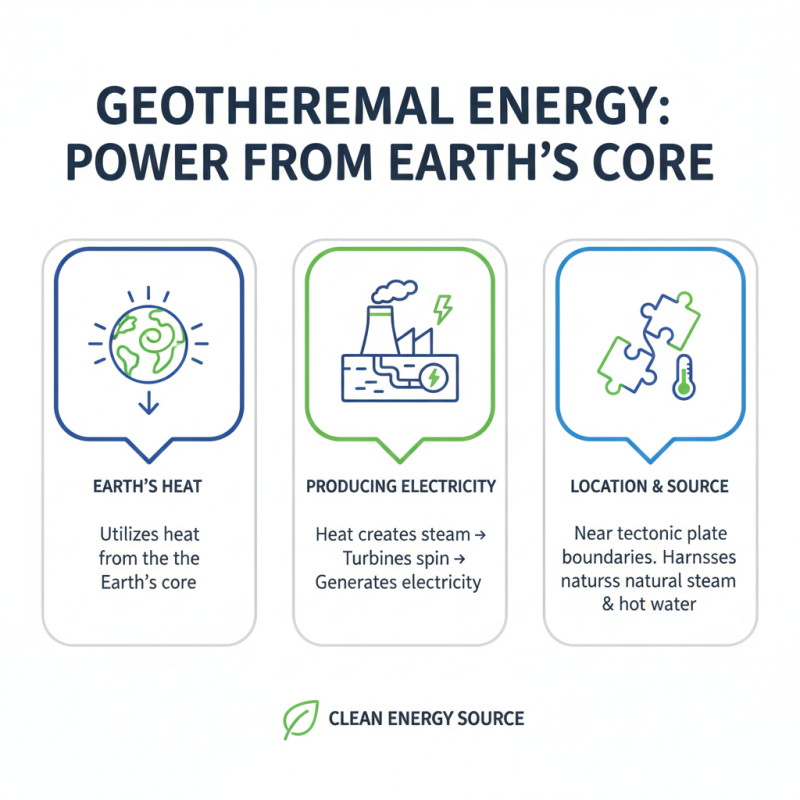
Many people are unaware of the potential of clean energy. For instance, geothermal energy taps into the Earth’s heat. Biomass energy converts organic materials into fuel. Yet, the transition to clean energy is not without obstacles. Infrastructure and investment remain key issues. Awareness and education on these sources are essential. Embracing clean energy can lead to a better, more sustainable future.
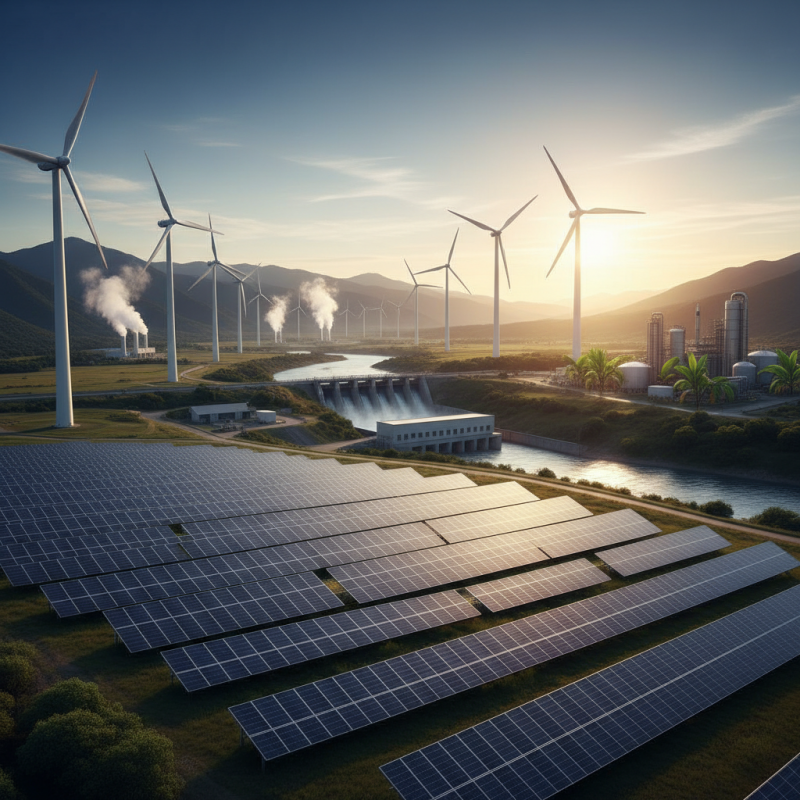
Overview of Clean Energy Sources: Importance and Impact
Clean energy sources are crucial in combating climate change. According to the International Renewable Energy Agency (IRENA), renewable energy has the potential to reduce global greenhouse gas emissions by up to 70% by 2050. This highlights the urgency of transitioning away from fossil fuels.
Wind power has seen significant growth. By 2020, it represented about 7% of global electricity generation. However, the footprint of wind farms on local wildlife and landscapes prompts ongoing debates. Solar energy also plays a vital role. With technology costs dropping by over 80% in the last decade, its adoption skyrockets. Yet, the manufacturing process raises concerns about resource use and pollution.
Hydropower remains a leading clean energy source, providing around 16% of global electricity. Nevertheless, large dams can displace communities and disrupt local ecosystems. The balance between energy needs and environmental impact remains a critical conversation. The pursuit of clean energy must consider both its advantages and potential downsides to create a sustainable future.
Top 10 Clean Energy Sources Everyone Should Know About
| Energy Source | Description | Environmental Impact | Global Usage (%) |
|---|---|---|---|
| Solar Energy | Harnessing sunlight through solar panels to generate electricity. | Reduces greenhouse gas emissions, renewable resource. | 3.8% |
| Wind Energy | Using wind turbines to convert wind kinetic energy into electricity. | Low emissions, habitat impact on local wildlife. | 6.3% |
| Hydropower | Generating electricity by using water flow through dams. | Can disrupt ecosystems, but very low emissions. | 16% |
| Geothermal Energy | Utilizing heat from the Earth’s interior to produce electricity. | Minimal emissions, but can lead to land subsidence. | 0.4% |
| Biomass Energy | Using organic materials to produce energy through combustion or conversion. | Can lead to deforestation; however, carbon neutral when managed sustainably. | 4.4% |
| Nuclear Energy | Generating energy through nuclear fission; uses uranium as fuel. | Very low greenhouse gas emissions; concerns about radioactive waste. | 10.3% |
| Tidal Energy | Generating electricity by harnessing tidal movements. | Very low environmental impact, but limited sites. | <1% |
| Hydrogen Energy | Using hydrogen as a fuel source, particularly in fuel cells. | Only water vapor as emissions, but production can be energy-intensive. | <1% |
| Waste-to-Energy | Generating energy from municipal waste through incineration or digestion. | Can reduce landfill waste, but emissions can be an issue. | <1% |
| Ocean Energy | Generating energy from ocean currents, waves, and thermal energy. | Potentially small environmental impact, still in experimental stages. | <1% |
Related Posts
-

Exploring Alternative Energy Innovations at the 138th Canton Fair 2025: A Data-Driven Insight
-
Exploring Sustainable Energy Innovations at 2025 China 138th Canton Fair
-
Harnessing Power Energy for a Sustainable Future The Role of Renewable Sources in Global Energy Consumption
-

What is Environmental Energy and How Does it Impact Our Future
-
Top Sources of Power and Energy for a Sustainable Future?
-
How to Harness Environmental Energy for a Sustainable Future?