
Skip to content

Top 10 Benefits of Wind Power Energy You Should Know?

Wind power energy is becoming increasingly vital in today's world. This renewable resource harnesses the power of wind to generate electricity. As concerns about climate change rise, wind power offers a clean alternative to fossil fuels.

Utilizing wind power energy leads to numerous benefits. It reduces greenhouse gas emissions and improves air quality. Additionally, wind energy can create jobs in manufacturing, installation, and maintenance. It enhances energy security by diversifying the energy mix in vulnerable regions.

However, there are challenges to consider. Not all areas have adequate wind resources. Some worry about the impact on local wildlife. Thus, understanding wind power energy's full potential requires reflection on these complexities. Recognizing its benefits while addressing its challenges is essential for a sustainable future.
Top 10 Benefits of Wind Power Energy You Should Know?

Benefits of Wind Power Energy: A Sustainable Solution for the Future

Wind power energy is becoming a vital solution for sustainable development. The Global Wind Energy Council reported that wind energy could meet 35% of global electricity needs by 2050. This clean energy source significantly reduces greenhouse gas emissions. It contributes directly to combating climate change.

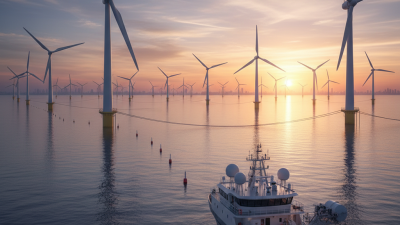
Wind farms can be built on land or offshore, allowing flexibility in their placement. In 2022, the industry generated over 800 terawatt-hours of electricity worldwide. This number is expected to grow as more countries invest in renewable technologies. Not only does wind energy promote energy independence, but it also creates jobs. The wind sector employed over 1.3 million people globally last year.

Tip: If you're considering wind energy, research local incentives. Many regions offer tax credits and other benefits for investing in renewable resources.

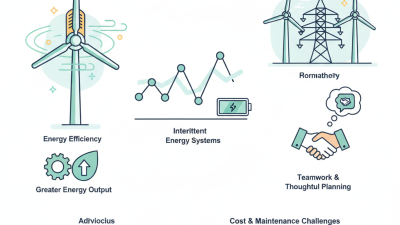
Despite its many upsides, wind energy has challenges. Wind speeds can be inconsistent, leading to variability in power generation. This intermittency requires proper energy storage solutions. The initial cost of wind turbines can also be a barrier for some investors.

Tip: Explore community wind projects. They often require lower investment and provide a shared benefit for local communities.

Addressing these concerns can enhance the effectiveness of wind power. Efforts must focus on improving technology and expanding infrastructure. Wind energy isn't just a trend; it's a necessary transition to a sustainable future.
Reduction in Greenhouse Gas Emissions through Wind Energy Production

Wind power generates clean energy. This significantly reduces greenhouse gas emissions. Data from the International Energy Agency (IEA) shows that wind energy could cut global CO2 emissions by nearly 4 billion tons by 2040. This figure highlights wind energy's vital role in combating climate change.

Wind energy production is crucial for meeting climate targets. In fact, a report from the Global Wind Energy Council states that wind power accounts for over 15% of global electricity generation. Each megawatt of wind energy produced can prevent approximately 1.5 tons of CO2 emissions annually. It’s an essential tool for healthier air and a sustainable future.

Tips: Consider installing small wind turbines for your home. They can reduce energy bills while promoting greener living. Regular maintenance is key; it ensures efficiency and longevity. Embrace this clean energy source and contribute to a healthier environment.

Cost-Effectiveness: Comparing Wind Energy to Traditional Fossil Fuels

Wind energy is increasingly becoming a cost-effective alternative to traditional fossil fuels. In past decades, fossil fuels dominated the energy market. They seemed cheaper and more accessible. However, this perception is changing as wind power technology advances.

Wind energy has lower operational costs. Once a wind farm is established, the ongoing expenses are primarily related to maintenance. In contrast, fossil fuels face volatile market prices and extraction costs. In addition, wind energy reduces reliance on imported resources. This shift enhances energy security and stability in local economies.

Despite the advantages, some challenges persist. The initial costs for wind farms can be high. Location selection for wind turbines requires careful consideration. Not all areas are suitable for harnessing wind effectively. Additionally, public perception and environmental concerns may slow development. Acknowledging these complexities is essential as we move toward a greener future.

Cost-Effectiveness: Comparing Wind Energy to Traditional Fossil Fuels

The chart above illustrates the cost per megawatt hour (MWh) for wind energy compared to traditional fossil fuels such as natural gas, coal, and oil. Wind energy proves to be the most cost-effective option, showcasing its potential as a sustainable energy source.

Job Creation in the Wind Energy Sector: Statistics and Projections

Top 10 Benefits of Wind Power Energy You Should Know?

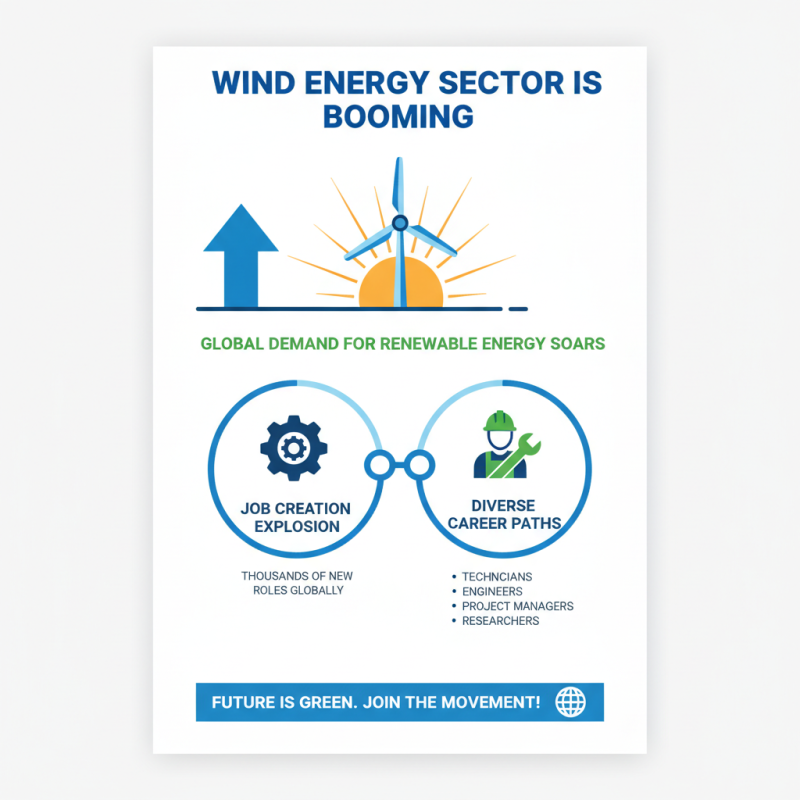
The wind energy sector is booming. As demand for renewable energy rises, job opportunities are increasing. Recent statistics show that the industry employs thousands globally. Many potential roles exist, from technicians to engineers.

The projections for job growth are promising. By 2030, experts estimate millions of jobs could be created in the wind sector. This could dramatically impact local economies, especially in rural areas where wind farms are often located. However, not all regions are equally ready to embrace this change.

Training and education will be crucial. Many workers may need upskilling to meet industry needs. There may be obstacles, such as the lack of access to training programs. It's essential to address these gaps. Job creation in the wind energy sector offers a bright future, yet challenges remain. We must reflect on how to overcome them effectively.

Energy Independence: How Wind Power Contributes to National Security

Wind power is increasingly recognized as a crucial factor in achieving energy independence. According to the U.S. Department of Energy, wind energy contributed to about 9% of the total electricity generation in the United States in 2020. This figure is expected to grow as more states push for renewable energy initiatives. Energy independence enhances national security by decreasing reliance on imported fossil fuels, which can be subject to geopolitical tensions.

Moreover, harnessing wind energy creates jobs and stimulates local economies. The American Wind Energy Association reported that the sector employed over 114,000 workers in 2019. However, wind energy projects sometimes face local opposition. Some communities express concerns about noise, aesthetics, and impact on wildlife. Balancing these local issues with the national benefits of wind power is essential.

The variability of wind can be a challenge, too. Not every location can generate consistent wind energy. This requires investment in energy storage and grid improvements. Addressing these challenges is vital for maximizing the potential of wind power. Such steps not only bolster national energy security but also lead to a more sustainable future.