
Skip to content

Top 10 Benefits of Alternative Energy for a Sustainable Future

The transition to alternative energy sources is not just a trend but an essential shift necessary for a sustainable future. According to the International Renewable Energy Agency (IRENA), the global renewable energy capacity reached over 2,800 GW in 2020, demonstrating a robust growth trajectory that reflects a growing acknowledgment of the benefits provided by alternative energy. This shift is critical as the world grapples with the formidable challenges of climate change and dwindling fossil fuel resources.

"Alternative energy is not only about reducing carbon emissions but also about ensuring energy security and resilience," states Dr. Emily Green, a leading expert in the alternative energy sector. Her insights highlight that utilizing renewable resources can lead to job creation, reduced air pollution, and long-term economic benefits. Furthermore, a report by the National Renewable Energy Laboratory (NREL) indicates that the cost of solar energy has plummeted by over 80% in the last decade, underscoring the economic viability of alternative energy solutions.

As we delve into the top ten benefits of alternative energy, it becomes increasingly clear that investing in diverse energy sources is vital for safeguarding both the environment and our economy for generations to come. With advancements in technology and growing policy support, the potential for alternative energy is vast and promising.
Top 10 Benefits of Alternative Energy for a Sustainable Future

Definition and Overview of Alternative Energy Sources

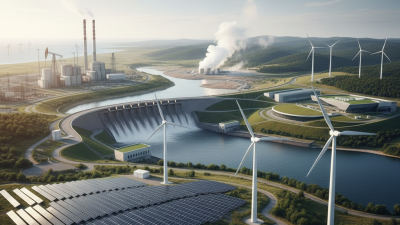
Alternative energy refers to energy sources that are not derived from fossil fuels, aiming to reduce environmental impact and promote sustainability. These sources include solar, wind, geothermal, hydropower, and bioenergy. Unlike traditional energy sources, alternative energy is renewable, meaning it can be replenished naturally and has the potential to be harnessed continuously without depleting Earth's resources. This aspect is crucial as it addresses the growing concerns related to climate change and the depletion of non-renewable resources.

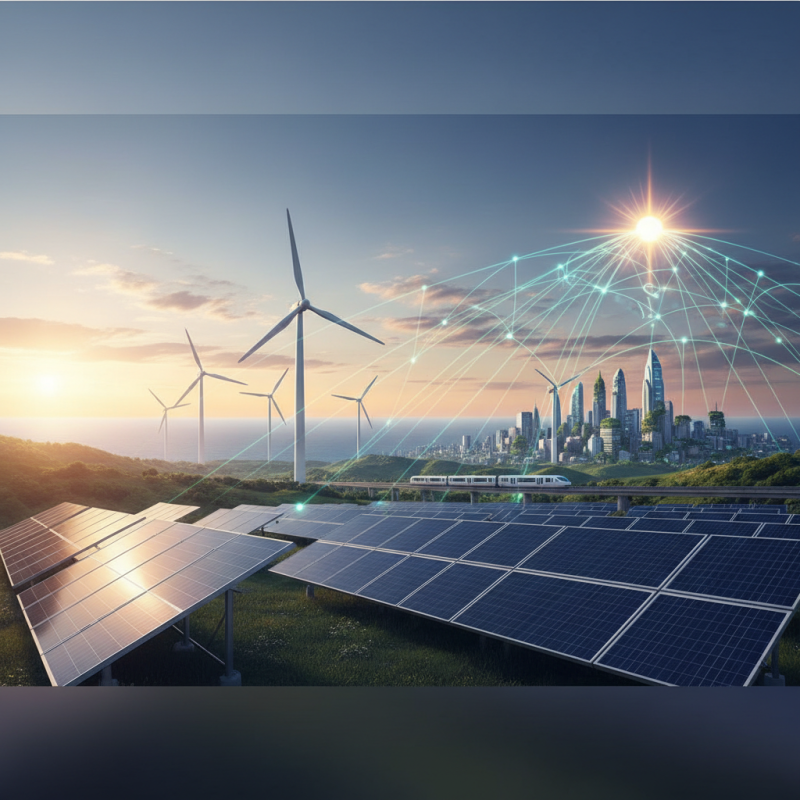
The utilization of alternative energy contributes to a cleaner environment, as it produces little to no greenhouse gas emissions. For instance, solar panels convert sunlight into electricity with minimal environmental disruption, while wind turbines produce energy through the natural movement of air. Moreover, alternative energy technologies often require less water than conventional fossil fuel sources, thereby conserving vital water resources. By investing in these sustainable energy options, societies can not only boost their energy independence but also promote economic growth through the creation of green jobs and innovation in clean technology.
Top 10 Benefits of Alternative Energy for a Sustainable Future

This chart illustrates the various benefits of alternative energy sources, highlighting their impact on sustainability, economy, and health.

Environmental Benefits of Alternative Energy in Reducing Pollution

Alternative energy sources are essential in the fight against pollution and climate change. By harnessing wind, solar, hydro, and geothermal power, we can significantly reduce greenhouse gas emissions associated with fossil fuel combustion. Traditional energy sources release a substantial amount of carbon dioxide and other harmful pollutants into the atmosphere, contributing to air quality degradation and global warming. In contrast, alternative energy systems generate clean power without emitting these pollutants, directly benefiting both human health and the environment.

Moreover, alternative energy plays a crucial role in decreasing water pollution. Fossil fuel extraction and consumption can lead to oil spills, soil contamination, and toxic runoff, posing serious risks to aquatic ecosystems. Renewable energy technologies, such as solar panels and wind turbines, require far fewer resources in their operations and do not pollute waterways in the same manner. By shifting towards these sustainable energy solutions, we not only promote cleaner air and water but also protect biodiversity and preserve natural habitats essential for various species. This transition is vital for fostering a healthier planet for current and future generations.

Top 10 Benefits of Alternative Energy for a Sustainable Future - Environmental Benefits of Alternative Energy in Reducing Pollution

Benefit Description Impact on Pollution Contribution to Sustainability
Reduces Greenhouse Gas Emissions Alternative energy sources significantly decrease carbon dioxide emissions compared to fossil fuels. High Promotes climate stability and healthier ecosystems.
Air Quality Improvement Utilizing renewable sources leads to cleaner air and fewer respiratory conditions. Moderate Supports public health and lowers healthcare costs.
Water Conservation Solar and wind energy require less water for electricity generation compared to traditional sources. Low Ensures sustainable water management.
Reduced Dependence on Fossil Fuels Encourages energy independence and reduces vulnerability to price volatility. Moderate Enhances national security and energy resilience.
Job Creation in Green Sector Growing alternative energy industries create a significant number of jobs. Indirect Contributes to economic stability and growth.
Biodiversity Support Renewable projects can enhance habitats and protect ecosystems. Varied Preserves natural resources for future generations.
Localized Energy Production Reduces energy loss during transmission by producing energy closer to where it is used. Low Strengthens local economies and communities.
Stability of Energy Prices Increased use of renewables leads to stable energy prices and less market fluctuation. Indirect Enhances long-term energy planning stability.
Enhanced Energy Efficiency Renewable technologies often involve energy-efficient systems. High Supports sustainable consumption and production patterns.
Technological Innovations Pushing the boundaries of technology contributes to further reductions in pollution and waste. Moderate Fosters a culture of innovation towards sustainability.

Economic Advantages of Alternative Energy in Job Creation and Growth

Top 10 Benefits of Alternative Energy for a Sustainable Future

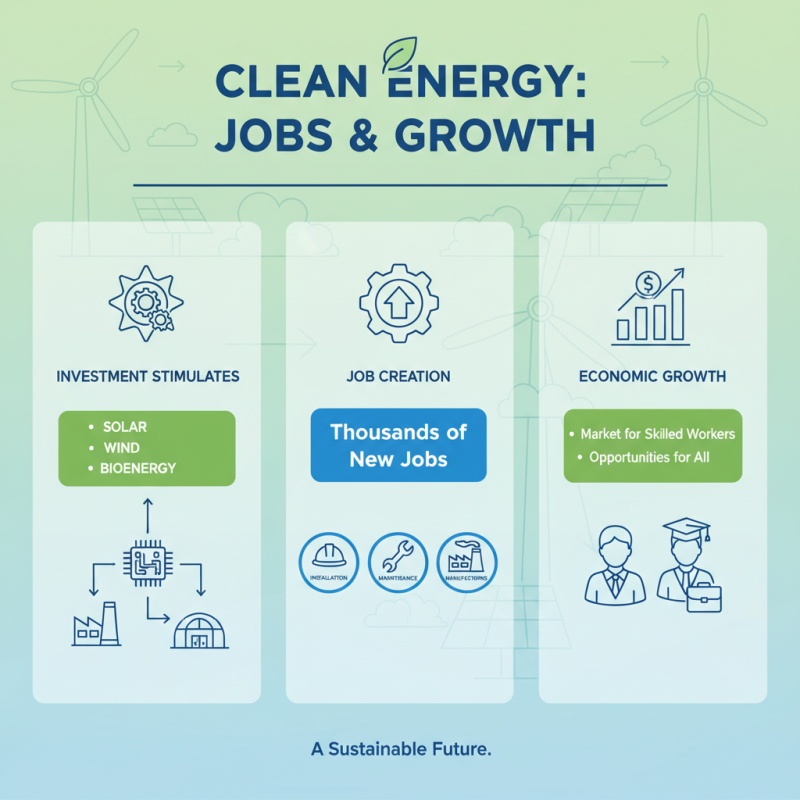
The transition to alternative energy sources not only offers environmental benefits but also serves as a powerful engine for job creation and economic growth. Investing in renewable energy technologies, such as solar, wind, and bioenergy, stimulates many sectors of the economy. These technologies require skilled labor for installation, maintenance, and manufacturing, leading to the creation of thousands of new jobs. As the demand for clean energy continues to grow, so does the market for skilled workers, providing opportunities for youth and those looking to re-enter the workforce.

Tips for boosting job growth in the alternative energy sector include promoting educational programs focused on renewable energy technologies. By encouraging community colleges and vocational schools to offer specialized training, individuals can be equipped with the necessary skills to thrive in this evolving industry. Partnerships between government, educational institutions, and private companies can also foster internships and apprenticeship programs, creating a bridge from education to employment in the green economy.

Another effective strategy is to support local renewable energy projects that stimulate regional economies. When communities invest in local energy initiatives, they not only create jobs but also encourage economic resilience and sustainability. Promoting financial incentives for small businesses and startups focusing on clean energy can amplify these benefits, leading to innovation and growth while reducing reliance on fossil fuels.

Energy Independence: Reducing Reliance on Fossil Fuels

The dependence on fossil fuels has long been a critical concern for nations around the globe. Transitioning to alternative energy sources not only enhances energy independence but also mitigates the risks associated with fluctuating oil prices and geopolitical instability. According to the U.S. Energy Information Administration, renewable energy sources, including solar and wind, are projected to account for nearly 50% of the electricity generation in the United States by 2050. This growth indicates a significant shift away from traditional fossil fuels, paving the way for a more resilient energy grid.

Moreover, increasing investments in renewable energy technologies can substantially reduce greenhouse gas emissions, contributing to a decline in air pollution and climate change effects. A report by the International Renewable Energy Agency highlights that doubling the global share of renewable energy could reduce reliance on fossil fuels by up to 70% by 2050. This shift not only fosters energy security but also stimulates economic growth by creating jobs in the emerging green energy sector. As nations strive for sustainability, prioritizing alternative energy sources becomes vital for fostering energy independence and ensuring a stable, sustainable future.

Long-term Sustainability: Ensuring a Stable Energy Future for Generations

Long-term sustainability is essential for ensuring a stable energy future for generations to come. As we face the growing challenges of climate change and dwindling natural resources, the shift towards alternative energy sources becomes imperative. Renewable energy technologies such as solar, wind, and hydroelectric power not only provide cleaner alternatives to fossil fuels but also contribute to the resilience of our energy systems. By harnessing these abundant resources, societies can reduce their dependence on limited supplies and mitigate the environmental impacts associated with traditional energy production.

Investing in alternative energy also creates opportunities for economic growth and job creation. The transition to sustainable energy solutions fosters innovation and can lead to the development of new industries focused on clean technologies. This not only helps in diversifying the energy portfolio but also supports local economies by providing sustainable employment options. Engaging communities in this shift empowers them to play an active role in shaping their energy future, ensuring that the benefits of these investments are shared across generations. Embracing alternative energy is not merely a matter of choice; it is a responsibility to secure a viable and healthy planet for those who will inherit it.