

As electric vehicles (EVs) continue to gain traction in the automotive market, understanding how to choose the best Ev Charger Car has never been crucial. According to the International Energy Agency, the global EV market saw a remarkable growth of over 40% in 2022 alone. This surge emphasizes the need for efficient charging solutions that meet the diverse demands of EV owners.
Industry expert, Dr. Nancy Howell, states, "Choosing the right EV charger is key to maximizing the benefits of owning an electric vehicle." Her insights reflect the complexity of selecting a charger that not only fits your vehicle model but also aligns with your lifestyle. Many consumers find themselves overwhelmed by various options—home chargers, public charging stations, and fast chargers.
Selecting the wrong type of charger can lead to frustration and inefficiency, and it's not uncommon to see users grappling with insufficient charging speeds or compatibility issues. Therefore, understanding your specific needs and the types of chargers available is vital. A thoughtful approach can enhance the EV experience, making it seamless rather than challenging.
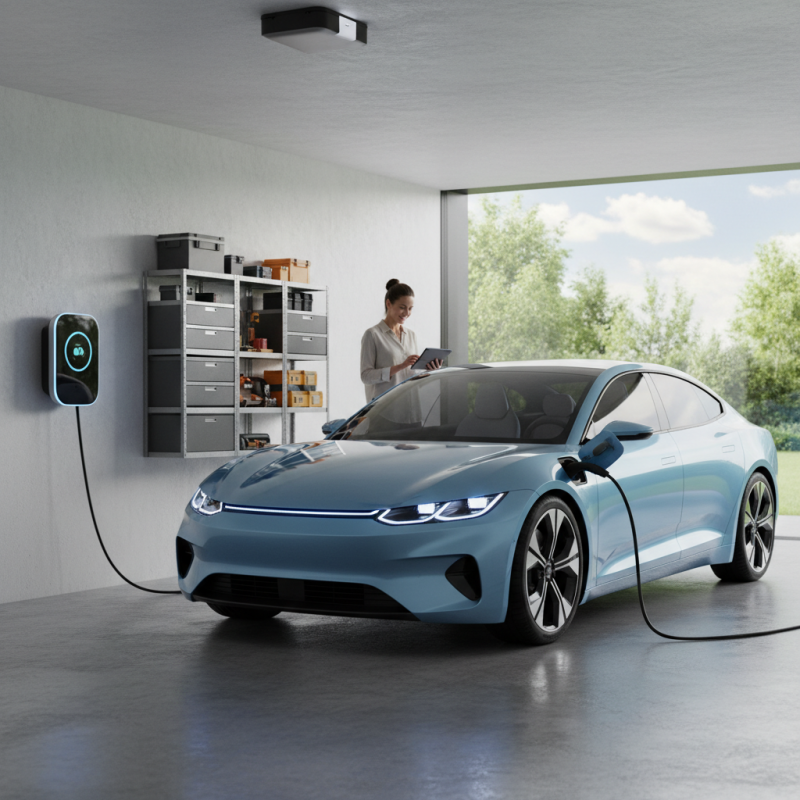
When choosing an EV charger, understanding your charging needs is crucial. Consider how often you drive and your typical mileage. If you have a long commute, a faster charger may be essential. If your driving is minimal, a standard charger could suffice. Think about your charging habits too. Do you charge overnight or during the day? This affects the charger speeds you require.
One tip is to evaluate your home’s electrical capacity. Older homes may not handle high-power chargers well. An electrician can help assess this. If your home supports it, a level 2 charger might be the best fit. They provide faster charging and can fully power your vehicle overnight.
Also, take into account local incentives and rebates. There might be government programs to offset installation costs. Research these options to maximize your investment. Consider future needs, too. As EVs evolve, you may want to upgrade your charger later. Don't rush; taking the time to reflect on your specific needs can lead to better long-term satisfaction.
When exploring EV chargers, understanding the types available is crucial. Level 1 chargers use a standard 120-volt outlet. They are easy to find but slow to charge. Typically, they add about 4 to 5 miles of range per hour. This can be sufficient for some drivers, especially for overnight charging. However, if you're in a hurry, a Level 1 charger will leave you waiting. Many people often underestimate the time it takes to fully charge.
Level 2 chargers come next. These utilize a 240-volt outlet and provide faster charging, adding 10 to 60 miles of range per hour. This option seems appealing, especially for daily commuters. Yet, the installation can be costly. Some may not have the necessary electrical capacity at home. Weigh the benefits against the expense. Consider how often you’ll need that extra speed.
DC fast chargers stand out for their speed. They can deliver up to 80% charge in just 30 minutes. For road trips, this seems perfect. But charging stations are often limited. Not every area has accessible DC fast charging. It's essential to map out your journey beforehand. Each type of charger has its pros and cons. Assess your driving habits carefully.
When selecting an EV charger, consider the charging speed. There are Level 1 and Level 2 chargers. Level 1 delivers about 4-5 miles of range per hour. Level 2 charges significantly faster, up to 25 miles of range per hour. According to a recent industry report, around 80% of EV owners use Level 2 chargers for home charging. This makes them a preferred choice for daily use.
The installation type is also crucial. Wall-mounted models save space. Meanwhile, portable chargers provide flexibility. A survey revealed that 70% of EV users prefer built-in safety features. These include overcurrent protection and surge protection. Not all chargers offer these essentials. This discrepancy can lead to safety hazards in the long run.
Compatibility matters. Ensure the charger works with your vehicle type. Some chargers only cater to specific brands or models. Data shows that 30% of users face compatibility issues when upgrading chargers. This often leads to extra expenses and frustration. Always check the specifications before making a purchase. Proper research can prevent these common missteps.
Choosing the right location for your EV charger is crucial. Think about your daily routine. Will you charge at home, work, or while shopping? Each option has its pros and cons. For home installations, garage walls are often ideal. They provide protection from weather and ensure easy access. However, make sure there’s enough electrical capacity for the charger.
Consider your parking situation. A charger needs a good amount of space. It should be convenient but out of the way for vehicles. Outdoor setups might face challenges like weather exposure. Is the ground level enough? If not, you may need to think about a concrete pad. This can ensure stability and safety.
Installation requirements can vary significantly. Building codes and electrical standards differ by location. Often, hiring a qualified electrician is beneficial. They will assess your home and suggest the best options. DIY installations might seem tempting, but they can lead to costly mistakes. Always factor in local regulations. Understanding these aspects can save a lot of hassle later.
When considering an EV charger, cost and incentives play major roles. The initial purchase price can vary greatly. Many models range from affordable to quite expensive. It's essential to budget for installation costs, which can add hundreds to the total.
Planning also involves assessing available incentives. Some regions offer tax credits or rebates for purchasing EV chargers. These can significantly reduce the financial burden. Investigate local utilities as well. Some provide special programs that incentivize home charger installations.
Tips for decision-making involve evaluating your usage. If you charge frequently, a higher-capacity charger may save time. Consider energy efficiency and potential long-term savings. Remember, not all chargers work with every EV. Compatibility is crucial. This may not be obvious at first, so doing proper research here can prevent future hassle.