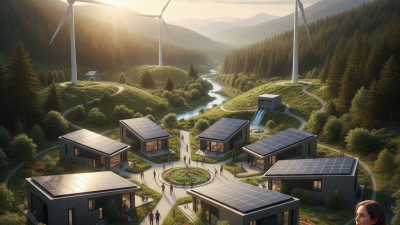

In today's world, sourcing and using energy efficiently is crucial for sustainable living. The International Energy Agency (IEA) reports that energy efficiency could reduce global energy demand by up to 40% by 2040. This highlights the importance of understanding how to source and energy sustainably. Many households can benefit from changing their habits and adopting energy-efficient technologies.
In addition, the U.S. Department of Energy (DOE) states that LED lighting can save up to 75% more energy than traditional bulbs. However, many people remain unaware of these efficient options. It’s essential to educate ourselves about effective strategies. Often, we overlook simple changes that can lead to significant energy savings.
Furthermore, not everyone has access to renewable energy sources yet. This creates an important discussion about equity in energy access. We must reflect on our current systems and seek innovative solutions. The journey towards efficient energy sourcing starts with individual actions and collective efforts for sustainable choices.
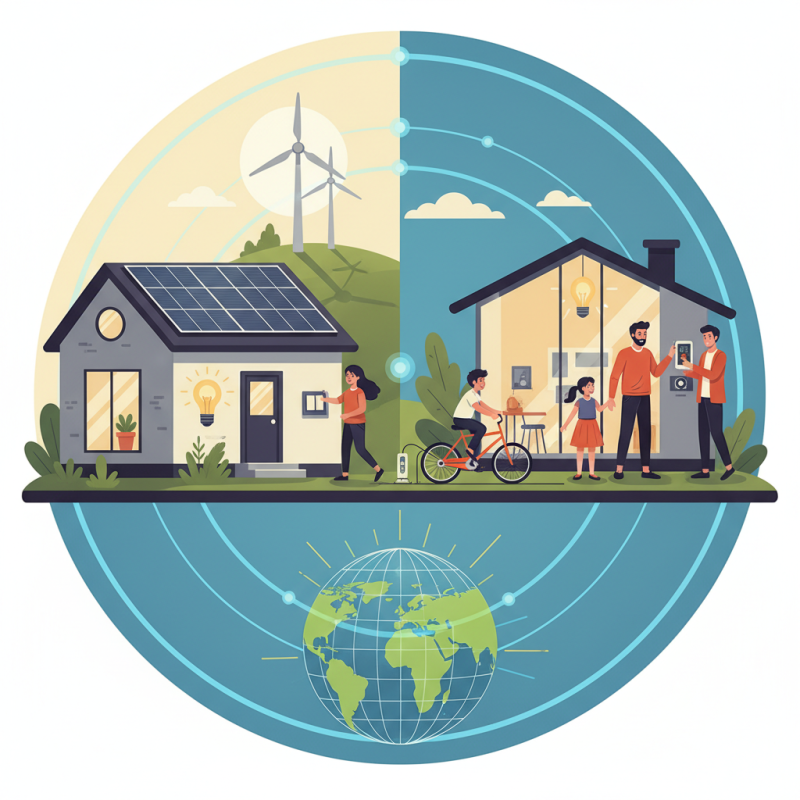
Energy efficiency is a vital component of sustainable living. It helps reduce energy consumption and minimizes environmental impact. By understanding energy efficiency, individuals can make informed choices about their energy use. This awareness leads to reduced carbon footprints and lower utility bills.
Implementing energy-efficient practices in daily life can be straightforward. Simple actions like switching to LED bulbs or unplugging devices when not in use make a difference. However, many still overlook these small changes. Awareness campaigns can emphasize the benefits of energy efficiency. Encouraging people to adopt new habits is essential for greater impact.
Energy-efficient technologies continue to evolve. Innovations in insulation, smart appliances, and renewable energy sources offer exciting possibilities. Yet, there is often a gap between availability and adoption. Individuals may hesitate due to upfront costs or lack of information. A shift in mindset is necessary for a culture of energy efficiency to develop. Embracing this change is crucial for a sustainable future.
Identifying renewable energy sources is crucial for sustainable living. Many options are available, each with unique benefits.
Solar energy has gained popularity due to its abundance and accessibility. Solar panels can be installed on rooftops, providing direct energy to homeowners.
They harness sunlight and convert it into usable electricity. However, the initial installation costs can be a barrier for some.
Wind energy is another promising source. Wind turbines can transform wind into electricity. Areas with consistent wind patterns are ideal for setting up these turbines.
They require significant space but can generate substantial energy. The challenge lies in the environmental impact and noise they may produce.
Hydropower is effective in regions near water bodies. Harnessing river flow can provide a consistent energy supply. However, large dams can disrupt local ecosystems.
Geothermal energy taps into the Earth’s heat, offering a reliable source in volcanic regions. Each renewable source has its limitations and potential drawbacks.
A multi-faceted approach may be necessary to achieve true sustainability. Exploring various options helps individuals and communities make informed decisions.
Reducing energy consumption is crucial for sustainable living. According to the International Energy Agency (IEA), buildings are responsible for 35% of global energy use. Simple strategies can significantly lower this percentage. Start by switching to energy-efficient appliances. They consume less electricity and can cut energy costs by 10-50%.
Another effective method is to enhance insulation. Proper insulation reduces the need for heating and cooling. A study by the U.S. Department of Energy suggests that homeowners can save approximately $200 annually by insulating their homes effectively. Be mindful of smaller changes as well. Turn off lights in unused rooms. Utilize natural light during the day. These actions, although small, collectively impact your overall energy consumption.
Reassessing daily habits is essential. For example, consider reducing the thermostat by just one degree. This small adjustment can save up to 10% on heating bills, as noted by the Environmental Protection Agency (EPA). You might think such changes are insignificant, but they accumulate. Energy efficiency is not just about technology; it's about our choices. Reflecting on these habits is vital for long-term sustainability.
Implementing energy-efficient technologies in homes and businesses is crucial for sustainability. According to the International Energy Agency (IEA), energy efficiency improvements could reduce global energy demand by 10% by 2030. This not only lessens environmental impacts but also lowers operating costs.
To effectively utilize energy-efficient technologies, consider investing in smart thermostats. These devices can reduce heating and cooling costs by about 10-15%. Additionally, LED lighting consumes up to 75% less energy than traditional bulbs. However, improper installation or poor user habits can undermine these benefits. Educating users about correct applications is essential.
For businesses, adopting energy management systems can lead to significant savings. A recent report indicated that organizations effectively implementing these systems save an average of 18% on energy costs. Evaluating and adjusting usage patterns can bring further efficiencies. Being aware of peak usage times helps in minimizing unnecessary consumption. Reduce energy waste by monitoring usage closely.
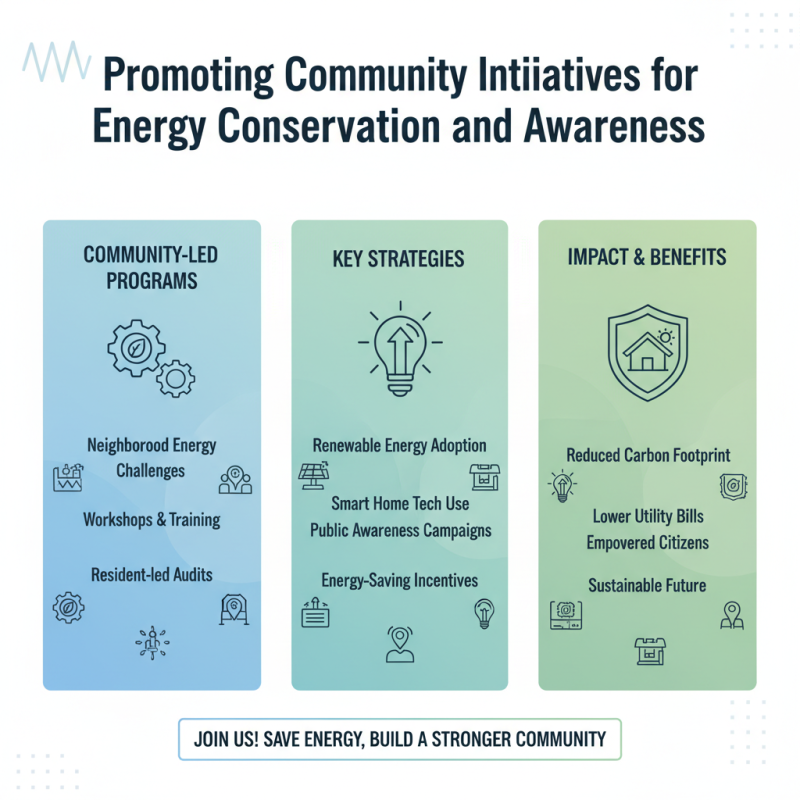
Community initiatives can significantly promote energy conservation and awareness. Local groups often bring people together to share knowledge about efficient energy practices. Workshops on energy-saving techniques, such as using LED bulbs and smart thermostats, can empower residents. These gatherings create a platform for discussing real challenges and sharing personal experiences.
Engaging the youth is essential. Schools can organize projects that involve students in energy audits of their buildings. This hands-on approach fosters a sense of responsibility and ownership among young people. They're more likely to adopt sustainable habits in their homes. Success stories shared among peers can inspire wider community participation.
However, not every effort will flourish. Some initiatives may struggle due to lack of interest or resources. It's crucial to reflect on what works and what doesn't. Feedback from community members can guide future projects. Emphasizing local culture and values can help create relevant and lasting solutions. Building a sense of community ownership enhances the impact of these energy efficiency programs.