

Skip to content

Why Is Solar Storage Essential for Renewable Energy Solutions?

Solar Storage plays a vital role in the transition to renewable energy. As global energy demand rises, the need for efficient energy management becomes crucial. According to a report by the International Energy Agency, renewable energy sources will account for over 80% of global electricity demand by 2050. However, intermittent energy production from solar panels poses challenges.

Solar Storage systems help mitigate these challenges. They store excess energy generated during the day for use during nighttime or cloudy days. This ability ensures a constant energy supply, enhancing energy independence. In 2022, the global market for solar storage solutions exceeded $8 billion, reflecting growing interest from consumers and businesses alike.

The necessity of Solar Storage highlights ongoing issues in the industry. Many regions still lack effective grid integration. Additionally, costs remain a concern for some consumers. As technology progresses and prices decline, Solar Storage can significantly impact renewable energy adoption. Yet, faster implementation and better public understanding are needed for long-term success.
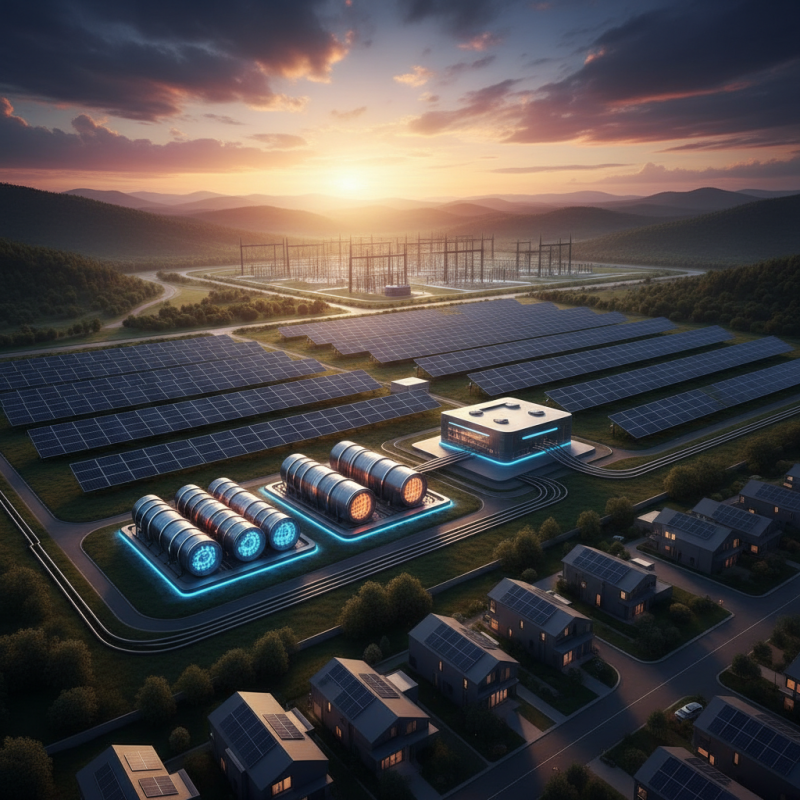
Why Is Solar Storage Essential for Renewable Energy Solutions?

Importance of Energy Storage in Renewable Energy Systems

Energy storage plays a pivotal role in renewable energy systems. As sunlight fluctuates, solar energy generation can vary dramatically. Sometimes it’s abundant, but other times, it can be nearly nonexistent. This inconsistency creates challenges for energy management. Without storage, excess solar power goes wasted.

Batteries and other storage solutions bridge the gap. They capture energy when production is high, making it available during low generation periods. This capability enhances grid stability and ensures a reliable power supply. It’s not merely about creating energy but effectively managing it. We need to consider how to optimize storage. Some systems might lack efficiency or a viable method for energy distribution.

Moreover, integrating storage into renewable systems isn’t always easy. It requires significant investment and research. Many users have unresolved questions about technology reliability and lifespan. Addressing these concerns can help promote broader adoption. Energy storage needs continuous evaluation and improvement to meet future demands.

Challenges of Intermittency in Solar Energy Production

Solar energy offers a clean and sustainable source of power, but its intermittent nature poses significant challenges. Solar production peaks during the day but drops as the sun sets, leading to potential energy shortages during nighttime and cloudy weather.
According to the U.S. Department of Energy, energy storage could reduce solar variability and unlock 30% more value from solar systems by extending their operational hours.

The ability to store energy during peak production times is crucial. It allows for better management of electricity supply and demand. Reports suggest that with adequate storage, solar energy could supply as much as 40% of the nation’s energy needs by 2035. However, current solutions face efficiency and cost challenges. Many systems are still costly, and not all are optimized for long-term use.

Tips: Consider using incentives for solar storage systems. Small investments can yield substantial energy savings. Additionally, explore local resources for community solar projects. These initiatives may provide shared storage solutions, reducing individual costs and increasing reliability. Investing in grid-integrated storage technologies can accelerate the transition toward a more resilient energy future, though implementation remains a challenge.

Types of Solar Storage Technologies and Their Applications

Solar storage technologies play a crucial role in enhancing renewable energy solutions. Various systems cater to distinct needs and applications. Lithium-ion batteries are common in residential setups. Their efficiency and quick charging times are notable. However, they can be expensive and have lifespan limitations. According to the International Energy Agency, the global market for these batteries is expected to grow by 30% annually until 2025.

Another option is flow batteries. They feature scalability and longer life cycles. These systems can efficiently manage large-scale energy storage needs. However, they are not yet widely adopted due to their higher costs and complexity. For specific grid applications, pumped hydro storage is effective. It allows for large volumes of water to store energy. Still, geographic limitations may hinder its feasibility.

Tips: Consider local climate conditions when selecting a solar storage system. Analyze your energy consumption patterns to determine the capacity needed. Remember that each technology has pros and cons. It’s essential to balance costs and benefits to find the right fit.

Energy Storage Capacity of Different Solar Storage Technologies

Economic Benefits of Investing in Solar Storage Solutions

Solar storage is increasingly recognized for its economic benefits. As renewable energy sources like solar power become more common, the need for energy storage solutions grows. When the sun shines, excess energy can be captured. This stored energy can then be used during cloudy days or at night. It allows households and businesses to reduce their electricity bills significantly.

Investing in solar storage can lead to long-term savings. Homeowners can lower their reliance on the grid by using stored power. This reduces monthly energy expenses. However, the initial cost of solar storage systems can be high. Some people hesitate to make such investments. Yet, various government incentives can make these systems more affordable. Over time, the savings can outweigh the upfront costs.

Economic growth is another aspect to consider. Job creation in the solar storage sector is increasing. Skilled labor is needed to install and maintain these systems. Local economies can benefit from this growth. More importantly, energy independence decreases reliance on fossil fuels. This is a critical point to reflect on as we look toward a sustainable future.

Future Trends in Solar Storage for Enhanced Renewable Integration

The future of solar storage is bright. Industry reports predict that the solar storage market could reach $19 billion by 2027. This growth reflects urgent needs in many regions. As more solar energy systems are installed, effective energy storage solutions become critical. Without them, excess energy generated during the day is wasted.

Renewable integration requires advanced technology. Battery storage systems improve energy management. They store energy when the sun shines and release it when needed. This flexibility is key for balancing supply and demand. Notably, lithium-ion batteries dominate the market. Yet, new technologies, like solid-state batteries, are emerging. They promise higher efficiency and safety.

Tips: Consider investing in innovative storage solutions. Monitor developments in battery tech. Even small-scale solar projects benefit from storage. However, be aware of the limitations. Storage systems can be expensive and require regular maintenance. Reflect on local regulations that might affect installation.

Why Is Solar Storage Essential for Renewable Energy Solutions?

Storage Type Capacity (kWh) Efficiency (%) Cost ($/kWh) Lifespan (Years)
Lithium-ion Batteries 10 90 400 10
Lead-acid Batteries 5 80 150 5
Flow Batteries 20 75 300 10-15
Sodium-ion Batteries 15 85 250 10
Solid-state Batteries 12 95 500 20