

In the rapidly evolving solar energy sector, Solar Panel Connectors play a vital role in system efficiency and safety. According to a report by Global Market Insights, the solar connector market is projected to reach over $2 billion by 2025, illustrating significant growth. Understanding the type and quality of connectors can greatly influence overall solar panel performance.
David Smith, a leading expert in renewable energy systems, once stated, "The right connectors can enhance energy flow and reduce potential risks." This highlights the need for careful selection. High-quality connectors ensure durability and minimize energy loss. However, many users still overlook this critical component, often opting for cheaper alternatives without understanding the repercussions.
Choosing the right Solar Panel Connectors involves considering several factors, including compatibility, voltage ratings, and environmental resilience. For instance, connectors must withstand harsh weather conditions to maintain performance. Many installations fail over time due to improper connector choice, emphasizing the need for education and awareness in the industry. Ensuring the right selection is essential for maximizing solar energy benefits.
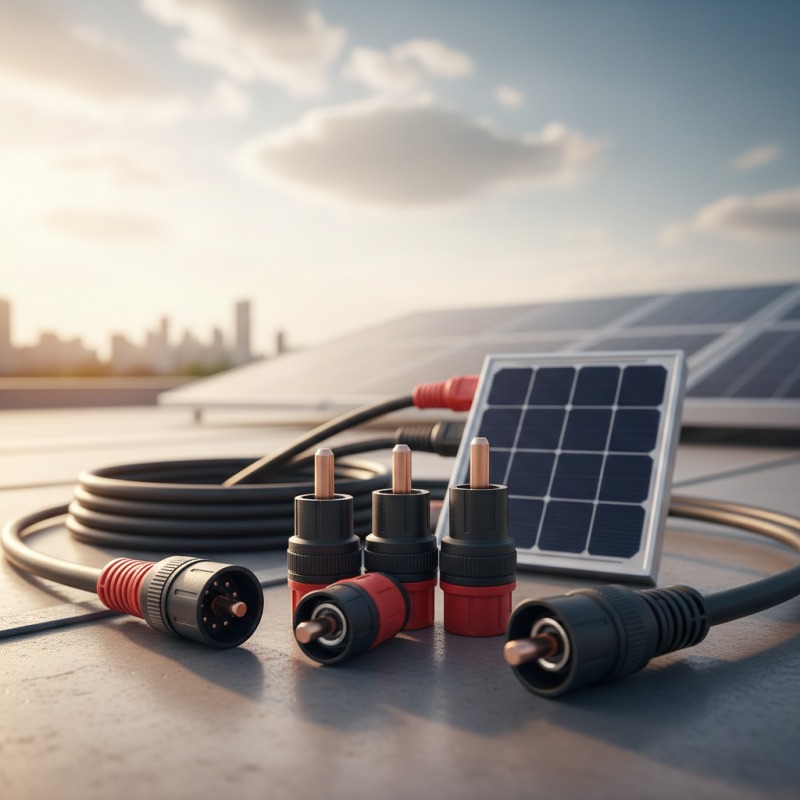
Solar panel connectors are crucial in solar energy systems. They link individual solar panels to form a functioning array. These connectors ensure that electricity flows smoothly from the panel to the inverter. A reliable connection can prevent energy losses and increase overall system efficiency.
Different types of connectors exist, each suited for specific applications. MC4 connectors are common in many setups due to their ease of use and durability. They can handle a wide range of environmental conditions. However, improper installation can lead to problems. It's essential to follow best practices during the connection process.
When choosing connectors, consider the environment. Various factors, such as temperature and humidity, can impact performance. Look for connectors with weather-resistant features. Moreover, compatibility with existing systems is also important. A quick error can result in inefficiencies or even damage. Researching and understanding these components can make a significant difference in solar installation success.
Solar panel connectors play a crucial role in the efficiency and safety of solar energy systems. They are essential for linking solar panels to inverters and other components. Common types include MC4 connectors, which are widely used for their ease of installation and reliable performance. According to industry reports, nearly 80% of solar installations utilize MC4 connectors due to their weather resistance and safety features.
Another popular type is the SMA connector, often used in residential systems. SMA connectors are known for their durability and high-temperature tolerance. While they offer strong performance, they may require special tools for installation. Solar professionals often emphasize the importance of selecting the right connector type for the intended application. The choice can affect the system's overall efficiency by up to 10%.
It’s essential to consider compatibility when choosing connectors. Mismatched connectors can lead to power losses and safety hazards. Installation mistakes may also cause long-term issues, including degradation from environmental exposure. As the solar industry continues to grow, staying informed about connector types and their functionalities is vital for maintaining system reliability and efficiency.
When choosing solar panel connectors, it's essential to consider several key factors. The type of connector can greatly affect the performance and durability of your solar power system. First, examine the connector's rating for current and voltage. Ensure that it matches or exceeds your solar panels' requirements. This alignment minimizes risks of overheating and enhances reliability.
Material is another factor. Connectors made from high-quality materials, such as high-grade plastics and metals, offer better weather resistance. They should withstand UV exposure and harsh outdoor conditions. Poor-quality connectors may fail prematurely, causing system downtimes.
Tips: Always consider your installation environment. If you live in an area with high humidity or extreme temperatures, select connectors designed for those conditions. Regular inspections can also help catch issues early. Don’t overlook the importance of proper installation. A bad connection can lead to energy losses.
Lastly, compatibility is crucial. Ensure that the connectors fit seamlessly with your panel and inverter types. Mismatched connectors can lead to inefficiencies. Check for standards such as MC4 connectors, which are widely used and known for their reliability.
| Connector Type | Rated Current (A) | Rated Voltage (V) | Protection Class | Material | Temperature Range (°C) |
|---|---|---|---|---|---|
| MC4 | 30 | 1000 | IP67 | PVDF | -40 to 90 |
| XT60 | 60 | 60 | IP65 | Nylon | -20 to 80 |
| Anderson Connector | 120 | 600 | IP68 | Polycarbonate | -40 to 105 |
| Solar Edge | 20 | 1500 | IP68 | PC/PA | -40 to 90 |
When installing solar panel connectors, careful consideration is essential. These connectors are crucial for the durability and efficiency of solar systems. Proper installation fosters reliable energy generation. According to a report from the Solar Energy Industries Association, improper connections can lead to a 10-20% loss in energy efficiency. This emphasizes the importance of choosing the right connectors and installing them correctly.
Before starting, ensure you have the right tools and equipment. Use crimping tools designed for the specific type of connector. A report by the National Renewable Energy Laboratory suggests that improper crimping can lead to connection failures. Regularly check for moisture or corrosion, as these factors can compromise the connector’s performance. Select connectors rated for outdoor use to resist weather elements.
One common mistake is not following manufacturer guidelines. Each connector type may have different specifications. Periodic testing is also crucial. A key recommendation is to test connections after installation to verify their integrity. Many users overlook this step, leading to expensive repairs later. Always ensure that connectors are compatible with the panels being used. This compatibility can enhance the overall system performance significantly.
This bar chart displays the popularity of various solar panel connectors based on market research. MC4 connectors dominate the market with 45% popularity, followed by Tyco and Amphenol connectors. Understanding the popularity can assist in making informed choices for solar panel installations.
Solar panel connectors are crucial for the optimal functioning of solar power systems. Regular maintenance can prevent common issues. Begin by visually inspecting connections for wear and tear. Look for corrosion or damage, which may indicate a problem. Dust and dirt can also accumulate, hindering performance. Cleaning with a dry cloth can improve efficiency.
If you encounter disconnections, it may be time to replace connectors. Ensure you have the correct type for your system. Incorrect connections can lead to system failures. When troubleshooting, check the integrity of the wires as well. Frayed or broken wires can disrupt power flow. This could cause energy loss, affecting your overall energy needs.
Take time to inspect and maintain your solar connectors regularly. Even small issues can escalate quickly. Remember that a proactive approach can extend the lifespan of your system and enhance its performance. Keeping connectors clean and in good repair is not just beneficial; it is essential for maximizing solar efficiency.