
Skip to content

What is Power and Energy in Science and Everyday Life?

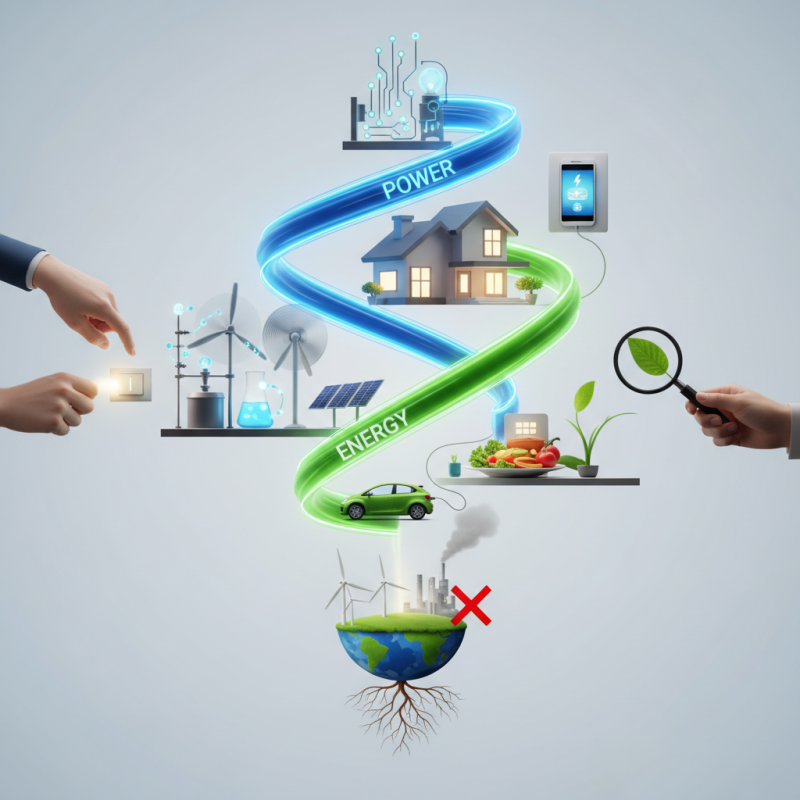
Power and energy are fundamental concepts that shape our understanding of the universe. In science, power refers to the rate at which energy is transferred or converted. Meanwhile, energy is the capacity to do work. Together, they drive everything from simple machines to complex ecosystems.

In our daily lives, we encounter power and energy in various forms. We rely on electricity to power our homes and devices. Gas fuels our cars, while food provides energy for our bodies. Each time we flip a switch or turn a knob, we harness these forces. However, many overlook their significance. How often do we consider where our energy comes from? The consequences of our choices affect the environment and future generations.

Understanding power and energy can lead to meaningful changes. By being mindful, we can reduce waste and embrace renewable sources. It's essential to reflect on our habits. Are we using power efficiently? Energy awareness could inspire us to adopt more sustainable practices. Let’s explore these concepts further.
What is Power and Energy in Science and Everyday Life?

Defining Power and Energy: Key Concepts in Science

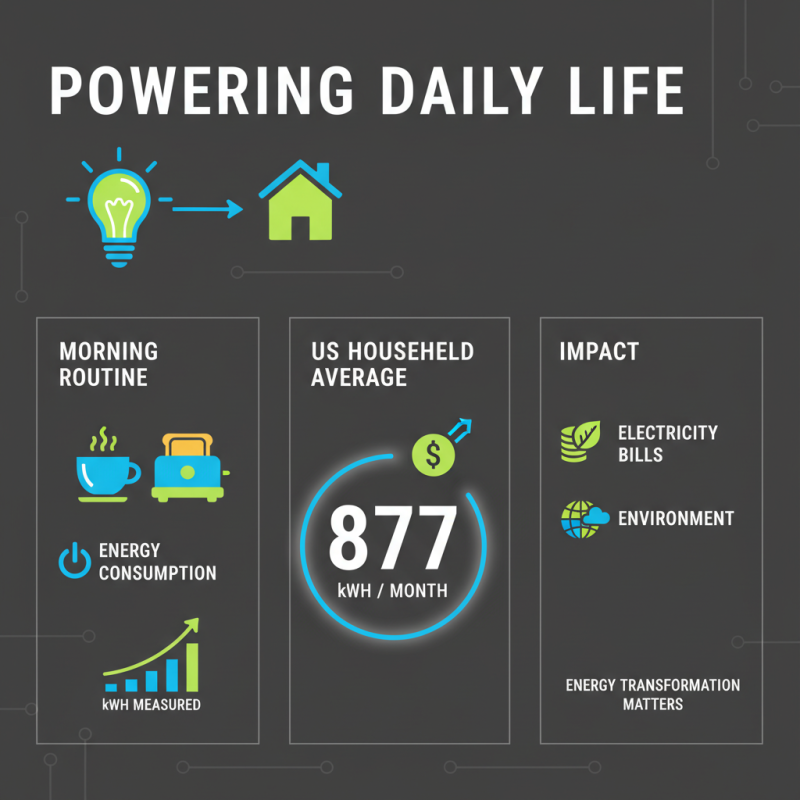
Power and energy are crucial concepts in both science and daily life. Power refers to the rate at which energy is used or transferred. It is measured in watts. Energy, on the other hand, is the ability to perform work. It can exist in various forms—mechanical, thermal, or electrical. According to the U.S. Energy Information Administration, the average American household consumes about 877 kWh of electricity each month. This highlights the importance of understanding these concepts.

Tips: Monitor your energy usage. Small changes can lead to big savings. Turn off lights when not in use. Such behaviors reduce both energy bills and environmental impact.

Yet, many people struggle to grasp these concepts fully. Powering devices, for instance, often leaves us unaware of their energy consumption. The World Bank reports that about 3 billion people still lack access to clean energy. This stark reality underscores the necessity for better education on power and energy. Understanding these fundamental ideas can drive more sustainable choices in daily life.

Tips: Educate yourself about renewable energy. Awareness can lead to positive change. Consider solar panels or energy-efficient appliances. Even minor adjustments make a difference.
The Relationship Between Power and Energy Explained

Power and energy play crucial roles in our daily lives. Power is the rate at which energy is used or produced. It is measured in watts (W). Energy, on the other hand, is the total amount of work done or heat produced. It’s measured in joules (J). Understanding the relationship between them is vital for efficiency. For example, a 60-watt light bulb consumes 60 joules of energy every second it’s on.

In our homes, energy consumption has been on the rise. Reports indicate that residential energy consumption in the United States increased by 2.5% from 2020 to 2021. This can lead to higher bills and environmental impact. Individuals often overlook the details of their power usage. Small appliances can use significant energy over time. A refrigerator can account for up to 10% of your energy bill, silently consuming power day and night.

Many people still struggle to grasp how power and energy interact. This confusion can lead to wastefulness. Simple habits, like turning off lights, can make a difference. Yet, estimates show that 35% of Americans neglect to unplug devices when not in use. Such small actions add up. The need for awareness is clear, but the challenge remains. Everyone has room for improvement in managing their power and energy consumption effectively.

Types of Energy: Kinetic, Potential, and Beyond

What is Power and Energy in Science and Everyday Life?

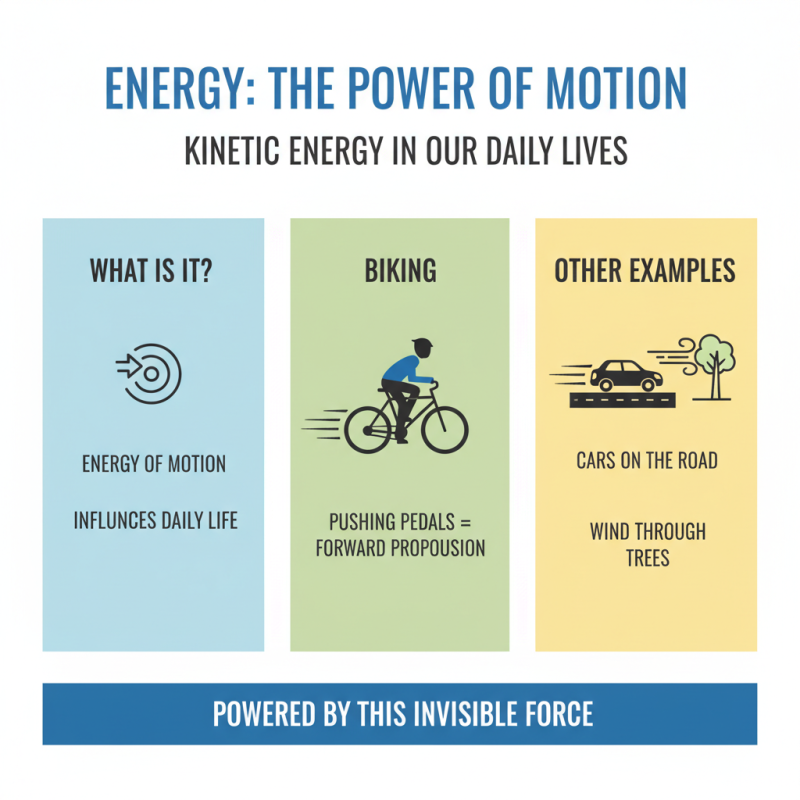
Energy exists in various forms, influencing our lives daily. Kinetic energy is the energy of motion. When we ride a bike, we experience kinetic energy. Every push on the pedals propels us forward. Cars on the road, wind blowing through trees – these are examples of kinetic energy in action. It’s fascinating how motion around us is powered by this invisible force.

Potential energy, on the other hand, is stored energy. It’s like holding a drawn bow. The energy is waiting to be released. When you climb a hill, you accumulate potential energy. It transforms into kinetic energy as you descend. Even a stretched rubber band holds potential energy. Every time it snaps back, it showcases energy in motion.

Yet, energy management is complex. Many people overlook their energy consumption. We waste it without even realizing. Simple actions, like forgetting to turn off lights, can add up. Reflecting on our energy habits might lead to better choices. Embracing these forms can enhance our understanding of the world. Engaging with energy might lead to a more sustainable future.

Everyday Applications of Power and Energy in Daily Life

What is Power and Energy in Science and Everyday Life?

Power and energy are integral to daily life. From the moment we wake up, these forces influence every action. When we turn on a light, we consume energy measured in kilowatt-hours. In the United States, the average household uses around 877 kWh per month. This energy transformation affects our bills and the environment.

Transportation is another big area of energy use. Automobiles consume a staggering amount of fuel, often measured in gallons per mile. In 2021, the average fuel economy for new vehicles was about 25.4 miles per gallon. This number raises questions about efficiency. Are we doing enough to reduce our carbon footprint?

Renewable energy sources are emerging solutions. Solar power generation increased 167% from 2010 to 2020. Yet, the transition isn't perfect. Many still depend on fossil fuels. This reliance poses challenges. More education and innovation are needed for sustainable practices. Our energy choices shape the future.

The Importance of Energy Efficiency and Sustainable Practices

Energy efficiency plays a crucial role in our daily lives. According to the U.S. Department of Energy, buildings account for 39% of energy use and 68% of electricity consumption. This staggering figure highlights the need for sustainable practices in construction and renovation. Simple actions, like using energy-efficient appliances, can cut energy use significantly. For example, replacing incandescent bulbs with LED lights can reduce lighting costs by 75%.

Sustainable practices extend beyond individual choices. In 2020, the International Energy Agency reported that improving energy efficiency could save the world over $2 trillion annually. Such savings can stem from implementing better insulation in homes or utilizing energy management systems in industries. However, many still overlook these changes. This reflects a broader issue of awareness and willingness to adopt new habits.

The global transition to renewable energy sources is equally important. Yet, according to the Global Reporting Initiative, only 16% of companies have embedded sustainable practices in their core strategies. This gap raises questions about commitment. As we strive for a cleaner future, it’s vital to reflect on our energy consumption patterns and the steps we take toward efficiency.

What is Power and Energy in Science and Everyday Life? - The Importance of Energy Efficiency and Sustainable Practices

Energy Source Type Efficiency (%) Environmental Impact Usage Examples
Solar Energy Renewable 15-20 Low Solar panels, heating
Wind Energy Renewable 35-45 Low Wind turbines, electricity generation
Natural Gas Fossil Fuel 45-60 Moderate Heating, power generation
Coal Fossil Fuel 30-40 High Electricity, steel production
Hydroelectric Energy Renewable 40-90 Low to Moderate Dams, irrigation
Geothermal Energy Renewable 10-20 Low Heating, electricity