
Skip to content

What are the Most Sustainable Energy Sources Today?

In today's world, the choice of energy source greatly impacts the environment. Renewable energy sources are becoming more vital. They promise a sustainable future. However, not all energy sources are equally beneficial.

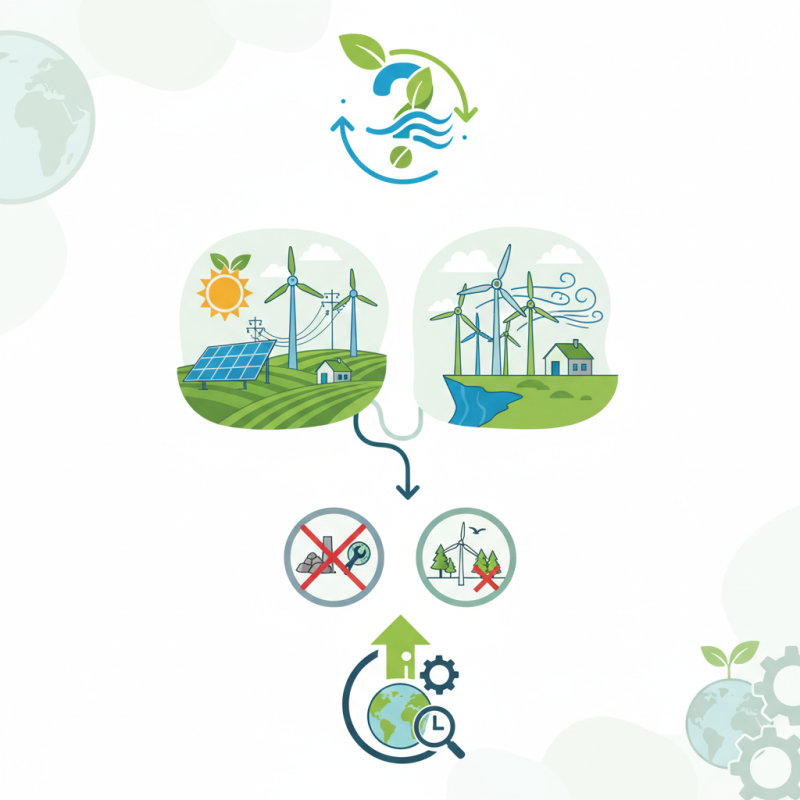
Solar power shines brightly as a leading option. It harnesses sunlight, turning it into electricity. Wind energy also stands out. Turbines capture the wind's power efficiently. Both of these options reduce carbon footprints significantly.

Yet, challenges exist. The production of solar panels involves non-renewable materials. Wind farms can disrupt local wildlife. These factors require careful consideration. Assessing each energy source critically is essential. Ultimately, finding the best energy source of energy will take time and research. Embracing the journey towards sustainability is necessary for our planet’s future.
What are the Most Sustainable Energy Sources Today?

Definition of Sustainable Energy and its Importance
What are the Most Sustainable Energy Sources Today?

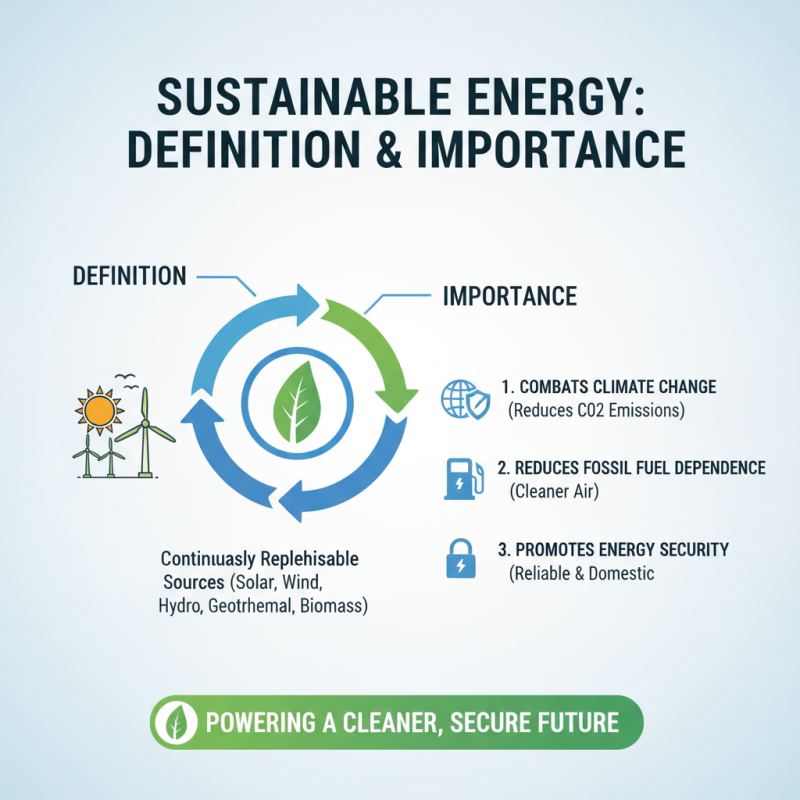
Sustainable energy refers to energy sources that can be continuously replenished. They play a crucial role in combating climate change. Sustainable energy helps reduce our dependence on fossil fuels. This shift not only protects the environment but also promotes energy security.

Solar, wind, and hydroelectric power are key sustainable energy sources today. Solar panels capture sunlight to generate electricity. Wind turbines convert wind energy into power. Hydropower uses flowing water to produce energy. These sources are abundant and can significantly reduce carbon emissions. However, their development can alter local ecosystems.

Tips: Always consider local wildlife when planning renewable energy projects. Engage communities to understand their needs and concerns. Balancing energy demands with environmental protection can be challenging. Awareness and education about these issues are vital. Engaging the public fosters support for sustainable initiatives.
Overview of Renewable Energy Sources

Renewable energy sources have gained significant attention due to their potential to combat climate change. Solar energy is among the most popular options today. Solar panels capture sunlight and convert it into electricity. This method reduces reliance on fossil fuels. Yet, solar energy production can be affected by weather conditions. The efficiency of solar panels varies. Not every region receives ample sunlight year-round.

Wind energy is another promising source. Wind turbines harness the power of the wind to generate electricity. This form of energy is abundant in coastal areas and plains. However, wind energy also faces challenges. Turbines can impact local wildlife. The noise created by turbines can be a concern for nearby communities.

Biomass energy utilizes organic materials. This includes plant material and animal waste. It can be a reliable source of energy, turning waste into power. Still, sustainability issues arise with biomass. Deforestation can occur if not managed properly. Each renewable energy source has its pros and cons, and careful consideration is essential.

What are the Most Sustainable Energy Sources Today?

This chart represents the share of various renewable energy sources in the global energy mix for the year 2022. The data showcases the increasing importance of sustainable sources in combating climate change and supporting a cleaner future.

Advantages and Challenges of Solar Energy

What are the Most Sustainable Energy Sources Today?

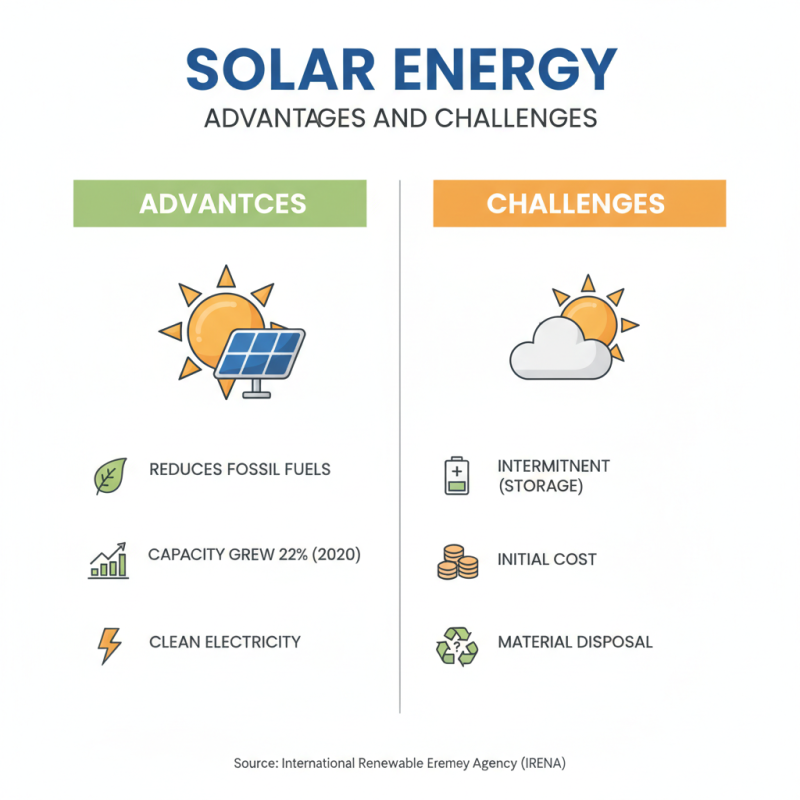
Solar energy is one of the most promising sustainable sources. With its increasing use, many advantages emerge. For example, it reduces reliance on fossil fuels. According to the International Renewable Energy Agency, solar energy capacity grew by 22% in 2020. This growth is significant, as solar panels convert sunlight into electricity effectively.

However, challenges remain. One major issue is energy storage. Solar power generation is intermittent. It relies heavily on sunlight. When the sun doesn't shine, energy production drops. This makes it difficult to meet continuous energy demands. A report from the U.S. Department of Energy indicates that current storage technologies can only hold enough energy for a few hours. This limitation raises concerns about reliability.

Additionally, solar panel production has environmental impacts. The materials used can be harmful. Mining the raw materials can lead to habitat destruction. Recycling panels is also a growing challenge. As of 2021, around 78 million metric tons of solar panels are projected to reach end-of-life by 2050. Finding sustainable solutions for this waste is crucial for the future.

Exploring Wind Energy as a Sustainable Option

Wind energy stands out as a leading sustainable option. It captures kinetic energy from wind and transforms it into electricity. This process is clean and relies on a renewable resource. Wind turbines are often seen on hills or in open fields. They offer a striking image against the sky.

However, the growth of wind energy isn't without challenges. Some people worry about the impact on local wildlife. Birds and bats may collide with turbine blades. Additionally, noise pollution from spinning turbines can be an issue. It's essential to address these concerns while maximizing energy output.

The cost of wind energy has dropped significantly in recent years. This makes it more accessible than ever before. Yet, the technology is not perfect. Not all regions experience consistent winds. Areas with less wind may struggle to benefit. This highlights the need for continued innovation in energy storage and distribution. Every energy solution requires reflection and improvement.

What are the Most Sustainable Energy Sources Today? - Exploring Wind Energy as a Sustainable Option

Energy Source Sustainability Rating (1-10) CO2 Emissions (g/kWh) Average Cost ($/kWh) Global Capacity (GW)
Wind Energy 9 14 0.01 900
Solar Energy 8 46 0.06 800
Hydropower 9 4 0.02 1300
Geothermal Energy 7 5 0.085 15
Biomass Energy 6 120 0.03 150

The Role of Hydropower in Sustainable Energy Solutions

Hydropower is a vital component of the sustainable energy landscape. According to the International Hydropower Association, hydropower accounts for about 16% of global electricity generation. This renewable source is especially significant in regions with abundant water resources. For instance, countries like Brazil and Canada harness large-scale dams to produce energy, showcasing its potential.

However, hydropower is not without challenges. The construction of dams can lead to environmental disruptions. Aquatic ecosystems may suffer due to altered water flow. A report from the World Bank highlights that while hydropower is clean, it can have detrimental effects on local biodiversity. Fish populations might decline, affecting the food chain and local economies.

Sustainability in hydropower varies across projects. Some smaller, run-of-the-river systems embrace low-impact designs, showing promise. Yet, assessing the overall sustainability requires a balanced view. Hydropower's role in the future of energy remains significant, but it necessitates careful planning and consideration of ecological impacts. Addressing these issues is crucial for maximizing hydropower's benefits while minimizing its drawbacks.