
Skip to content

Why Invest in Wind Farm Energy for Sustainable Future?

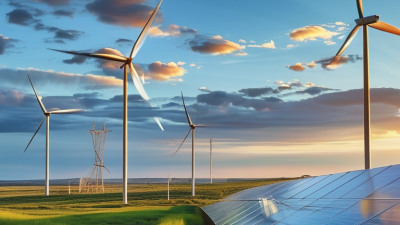
Wind farm energy stands at the forefront of renewable energy solutions. According to Dr. Lisa Carter, a leading expert in sustainable energy, “Investing in wind farm energy is not just a choice; it's a necessity for our future.” Her insights highlight the urgency of harnessing this abundant resource.

The demand for sustainable energy sources has never been greater. Wind farm energy offers a clean alternative that reduces dependency on fossil fuels. Each turbine generates electricity without emitting harmful pollutants, creating a healthier environment. However, building wind farms requires significant initial investment. Many wonder if the returns justify the costs.

Yet, the long-term benefits are undeniable. Wind farm energy can stabilize energy prices and create local jobs. On the flip side, some communities face challenges like noise and land use conflicts. These are valid concerns that require careful planning and community engagement. Addressing these issues is vital for the successful integration of wind farm energy into our energy landscape.
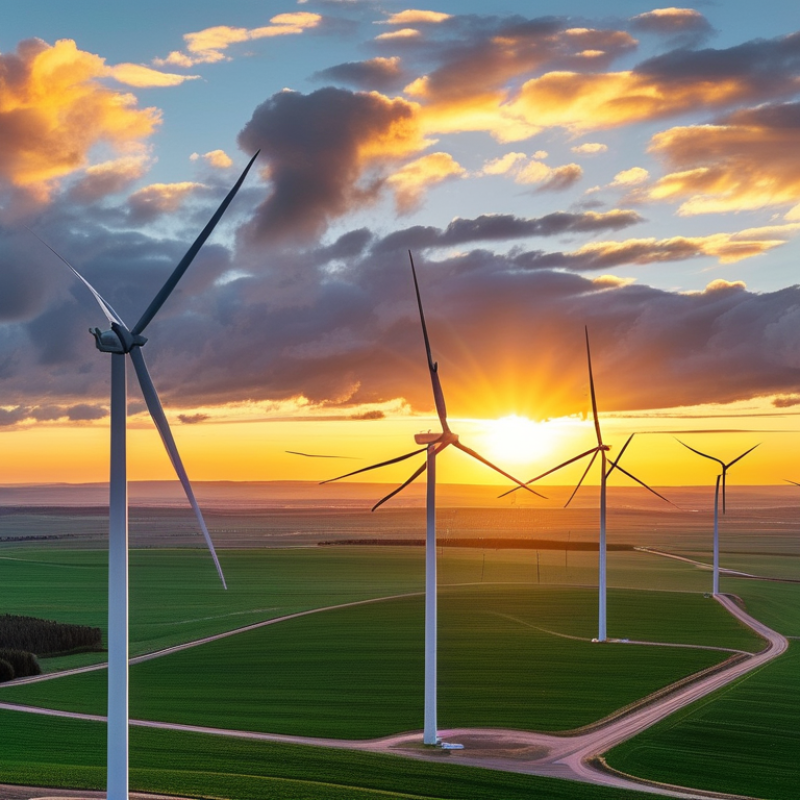
Why Invest in Wind Farm Energy for Sustainable Future?

Advantages of Wind Farm Energy for Renewable Energy Transition

Wind farm energy has significant advantages in the renewable energy transition. It offers a clean and abundant source of power. With wind farms, we can reduce our reliance on fossil fuels. The energy produced is sustainable and harnesses natural resources effectively. Wind is free and doesn't deplete like traditional energy sources. This fact alone makes it an attractive option for future investments.

The technology behind wind energy has evolved rapidly. Today’s turbines are more efficient and can generate more electricity than ever before. Many communities have already recognized these benefits. They have embraced wind energy in their development plans. However, the challenge remains in balancing aesthetics and environmental impact. Not everyone supports the placement of wind farms in their vicinity.

Despite some opposition, the benefits are clear. Wind farms provide local jobs and boost the economy. They help reduce greenhouse gas emissions, addressing climate change. However, there is a need for ongoing education about the impacts. Understanding these nuances can help build community support. Transparent discussions are essential to navigate potential concerns.

Economic Benefits of Investing in Wind Energy Projects

Investing in wind energy presents significant economic benefits for both investors and communities. According to the U.S. Department of Energy, wind power installed capacity was about 135 gigawatts (GW) in 2022, providing over 10% of the nation’s electricity. This indicates a growing trend toward sustainable sources. By 2030, projections estimate that the wind sector can create over 200,000 jobs, further boosting local economies.

The cost of wind energy is dropping. Reports show that the levelized cost of electricity (LCOE) from onshore wind has fallen by more than 70% since 2009. This trend makes wind projects increasingly economical. Local governments can benefit too. Tax incentives and job creation lead to increased tax revenue for education, infrastructure, and community services.

Tip: When considering investing in wind energy, evaluate local regulations and incentives. Not all areas provide the same benefits. Collaborate with local authorities to maximize economic advantages.

Moreover, evolving technology is improving efficiency. Turbine advancements allow for better performance in lower wind conditions. However, challenges remain. There are intermittency issues and public resistance in some regions. Investors must understand how to navigate these complexities to ensure long-term success.

Tip: Conduct thorough research on community sentiment before initiating projects. Engaging with local stakeholders early on can mitigate potential pushback.

Economic Benefits of Investing in Wind Energy Projects

Environmental Impact of Wind Farms on Climate Change Mitigation

Wind farms play a crucial role in combating climate change. They generate clean energy by harnessing the power of wind. This process significantly reduces greenhouse gas emissions. Unlike fossil fuels, wind power produces no air pollution or harmful waste. The impact is clear: cleaner air and a healthier planet.

However, the environmental footprint of wind farms isn’t entirely positive. Construction can disrupt local ecosystems. Wildlife, especially birds and bats, can be harmed by turbine blades. These challenges emphasize the need for careful site selection. Understanding local habitats is vital. Community involvement in planning is essential to mitigate negative effects.

Wind energy contributes to a sustainable future, but it requires continuous improvement. Innovative technologies are emerging to enhance efficiency and reduce risks to wildlife. Striking a balance between renewable energy production and environmental protection remains a critical challenge. Ongoing research and adaptive management are necessary for meaningful progress.

Technological Innovations Enhancing Wind Energy Efficiency

The wind energy sector is witnessing significant technological advancements aimed at enhancing efficiency. According to the Global Wind Energy Council (GWEC), global installed wind power capacity reached 743 GW by the end of 2020, showcasing a remarkable growth trend. Innovations like larger turbine blades and advanced materials are optimizing energy capture. Some new designs offer blade lengths exceeding 80 meters, translating to higher power generation.

Tips: When considering investment, research emerging technologies. Look for projects leveraging innovations that promise higher efficiency and lower costs.

Artificial intelligence (AI) plays a crucial role in this realm. Predictive maintenance algorithms analyze turbine performance data, reducing downtime. According to a report by McKinsey, AI can improve operational efficiency by up to 20%. Furthermore, energy storage solutions are evolving, making wind energy more reliable. This advancement addresses the intermittency issues often associated with wind power.

Tips: Stay updated on AI applications in renewable energy. This knowledge can guide smart investment choices.

Challenges remain despite these innovations. Integrating wind energy into existing grids can be complex. Moreover, public acceptance and environmental concerns sometimes hinder development. Addressing these issues requires ongoing dialogue and collaboration among stakeholders, ensuring that technological progress aligns with community interests.

Future Trends and Opportunities in Wind Energy Investments

The wind energy sector is evolving rapidly. Future investments in wind farms are becoming increasingly attractive. Global demand for clean energy is driving innovation. Emerging technologies are making wind energy more efficient and cost-effective.

Investors looking at wind energy should consider recent trends. Offshore wind farms are gaining popularity. They have the potential to generate more energy due to stronger winds. Additionally, new storage technologies can enhance energy reliability. This makes wind energy a viable alternative for many regions.

Tip: Research local regulations and incentives before investing. Understanding the landscape can help identify promising opportunities. Evaluate your long-term goals and the potential impact of wind investments.

Investing in wind energy is not without challenges. Market fluctuations can occur, impacting returns. Not all locations are suitable for wind farms; wind patterns vary. Conduct thorough feasibility studies to mitigate risks. Knowledge of the market and careful planning can lead to success.