
Skip to content

Top 10 Innovative Ways to Re Energy for Sustainable Living Solutions

In an era where sustainable living has never been more critical, innovative solutions are vital in tackling the pressing issues of energy consumption and environmental degradation. The concept of "re energy" stands at the forefront of this movement, promoting the idea of reimagining and redistributing energy resources in ways that prioritize ecological balance and community welfare. This article explores the top 10 innovative ways to harness re energy, showcasing transformative practices that not only enhance energy efficiency but also foster sustainable lifestyles.

From the use of renewable energy technologies to community-driven initiatives, the strategies discussed will reveal how we can collectively move towards a cleaner and more resilient future. By integrating concepts of re energy into our daily lives, we can redefine our relationship with power consumption, ensuring that our choices contribute to the well-being of our planet. Join us as we delve into these innovative solutions that promise to inspire individuals and communities alike to embrace a sustainable way of living.
Top 10 Innovative Ways to Re Energy for Sustainable Living Solutions

Innovative Solar Technologies: Harnessing the Sun for Sustainable Energy Solutions

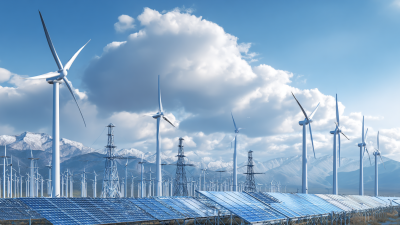
Innovative solar technologies are transforming the way we harness energy, providing sustainable solutions that address the growing need for clean power. One of the most exciting advancements in this field is the bifacial solar panels, which can capture sunlight from both sides, thereby increasing energy production without needing additional space. These panels are particularly effective in snowy or reflective environments, where they can leverage light bouncing off the ground. By improving efficiency and reducing the land footprint required for solar farms, bifacial panels represent a significant step forward in sustainable energy.

Additionally, the emergence of solar skins—custom-designed aesthetic panels—allows homeowners to integrate solar technology seamlessly into their roofs, maintaining the visual appeal of their homes. These panels not only generate electricity but also promote further adoption of solar energy by overcoming aesthetic objections. Coupled with advancements in solar battery technologies, which enable energy storage during sunless periods, these innovations create a more resilient and sustainable energy system for individuals and communities alike. With continued research and development, innovative solar technologies will play a crucial role in shaping our approach to sustainable living.
Top 10 Innovative Ways to Re Energy for Sustainable Living Solutions

Energy Efficiency Upgrades: Transforming Homes to Reduce Carbon Footprint

Energy efficiency upgrades play a crucial role in transforming homes and significantly reducing our carbon footprint. According to the U.S. Department of Energy, residential energy consumption accounts for approximately 21% of total U.S. greenhouse gas emissions. By investing in energy-efficient appliances, improved insulation, and advanced heating and cooling systems, homeowners can not only lower their monthly utility bills but also contribute positively to the environment. Research indicates that implementing such upgrades can lead to a reduction of up to 30% in energy use, which translates into substantial cost savings and a direct decrease in carbon emissions.

Moreover, the installation of smart home technologies further enhances energy efficiency. Smart thermostats and energy management systems can optimize energy usage by learning household patterns and adjusting settings accordingly. According to a report by the American Council for an Energy-Efficient Economy, homes equipped with smart technologies can save around 10-15% on energy consumption. As we move towards a more sustainable future, these innovative upgrades become essential for reducing our carbon footprint while promoting sustainable living solutions.

Smart Grids: Revolutionizing Energy Distribution for Enhanced Sustainability

Smart grids are transforming the traditional energy distribution landscape, enabling a more efficient and sustainable approach to energy management. By integrating advanced technology and communication systems, smart grids facilitate two-way communication between utilities and consumers. This not only optimizes energy consumption but also empowers users to make informed decisions regarding their energy use. As renewable energy sources like solar and wind continue to grow, smart grids play a critical role in accommodating these variable energy supplies while maintaining grid stability.

Tips for embracing smart grid technology include investing in smart meters to monitor real-time energy usage and identify peak consumption periods. Homeowners can also integrate energy management systems that automatically adjust usage based on grid demand and energy prices. Additionally, consider participating in demand response programs offered by utilities, which incentivize reduced energy use during peak times, further contributing to sustainability efforts while reducing energy bills.

Engaging with local energy providers about integrating smart grid solutions can enhance community resilience against power outages and reduce reliance on fossil fuels. By supporting renewable projects and advocating for smart grid initiatives, individuals can contribute to a more sustainable energy future while benefiting from increased reliability and cost-effectiveness in energy distribution.

Waste-to-Energy Systems: Converting Trash into Clean Energy Alternatives

Waste-to-energy (WtE) systems represent a pivotal advancement in the pursuit of sustainable living solutions. By converting municipal solid waste into clean energy, these systems not only help mitigate the pollution associated with landfills but also provide a renewable energy alternative. According to a report by the U.S. Environmental Protection Agency (EPA), WtE facilities can divert approximately 60 million tons of waste from landfills annually, generating more than 14 billion kilowatt-hours of electricity—enough to power 1.4 million homes each year. This dual impact of waste reduction and energy production is becoming increasingly vital as global waste generation continues to rise, projected to exceed 3.4 billion tons by 2050, according to a World Bank report.

In addition to their environmental benefits, WtE systems are economically advantageous. The International Energy Agency (IEA) suggests that harnessing energy from waste can significantly offset energy costs, providing a stable and locally available source of power. Furthermore, innovations in WtE technology, such as advanced gasification and anaerobic digestion, are enhancing efficiency rates and reducing emissions. Statistics indicate that modern WtE plants can achieve greenhouse gas reduction rates of up to 80%, making them an attractive option in the ongoing transition to a circular economy—a model aimed at maximizing resource use and minimizing waste.

Top 10 Innovative Ways to Re Energy for Sustainable Living Solutions - Waste-to-Energy Systems

Rank Waste Type Energy Produced (MWh) CO2 Emissions Reduced (tons) Adoption Year
1 Municipal Solid Waste 1,000 500 2018
2 Food Waste 800 400 2019
3 Plastic Waste 600 300 2020
4 E-Waste 400 200 2021
5 Textile Waste 300 150 2022
6 Carpet Waste 250 125 2022
7 Wood Waste 720 360 2021
8 Agricultural Residues 500 250 2020
9 Rubber Waste 350 175 2021
10 Oil Waste 450 225 2020

Community-Based Renewables: Empowering Local Solutions for Clean Energy Access

Community-based renewable energy initiatives are becoming increasingly vital as they empower local solutions while enhancing access to clean energy. In many regions, particularly remote and underserved areas, these projects can address energy poverty by providing innovative microgeneration systems. According to recent studies, micro-renewables can significantly improve energy access, health care, and educational opportunities, contributing to economic growth. These systems not only cater to the needs of local communities but also promote sustainable energy practices that are essential in a rapidly changing climate.

In island communities, for instance, grant proposals aimed at renewable energy projects are crucial for resilience against environmental challenges. The Green Generator Project exemplifies how community-driven efforts can foster sustainable living solutions and mitigate the impacts of natural disasters. By integrating local resources into renewable energy production, these initiatives not only promote energy independence but also stimulate local economies. Data reveals that local innovation in renewable energy can lead to substantial decreases in energy costs and improvements in overall community well-being, showcasing the power of localized solutions in the global push for sustainable energy access.

Top 10 Innovative Ways to Re Energy for Sustainable Living Solutions