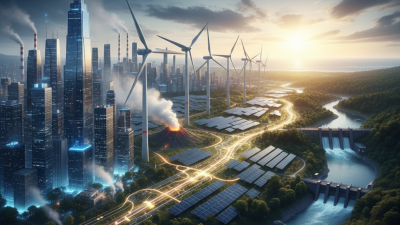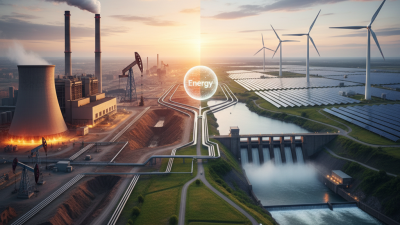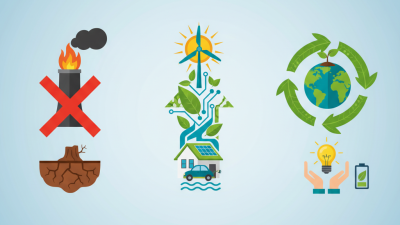

As the world grapples with climate change, renewable energy sources take center stage. Experts like Dr. Sarah Johnson, a leader in the source and energy field, emphasize, “The transition to renewable sources is not just necessary; it's crucial.”
This shift addresses pressing environmental concerns while promising economic growth. Renewable energy can reduce harmful emissions. For instance, wind and solar power offer sustainable options, paving the way for cleaner air and a healthier planet. However, the path is not without challenges. Transitioning from fossil fuels to renewables requires significant investment and infrastructure changes.
Moreover, reliance on limited resources can create vulnerabilities. Energy demands must match the reliability of these new sources. Society must balance urgency with practicality. As we reimagine the future of source and energy, thoughtful planning is essential. Embracing renewable energy is our responsibility and an opportunity for innovation.
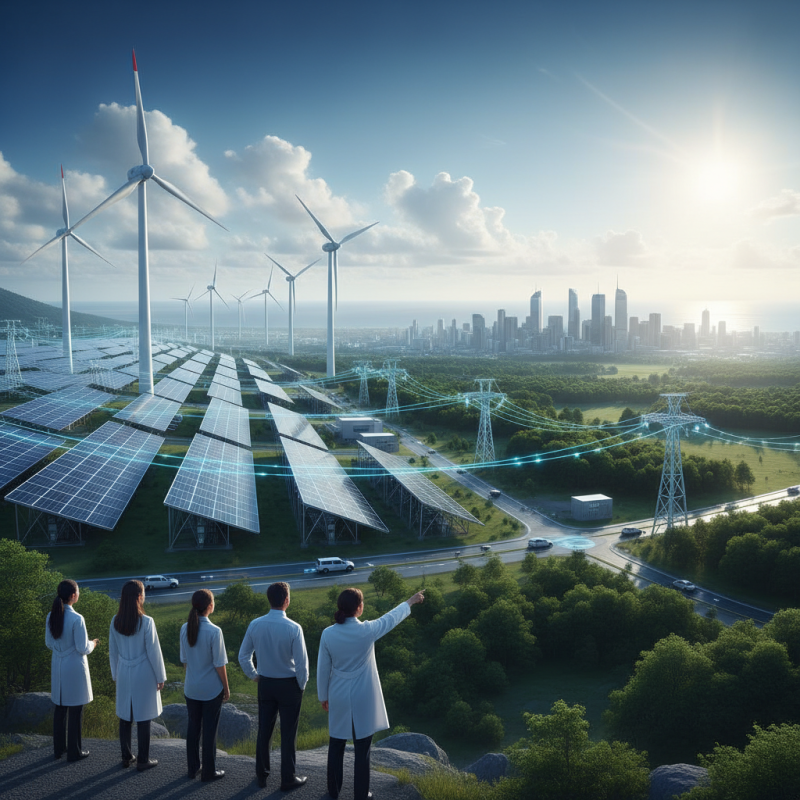
Renewable energy plays a crucial role in addressing climate change. It offers a sustainable way to reduce greenhouse gas emissions. Solar panels and wind turbines harness natural resources to generate clean power. While these technologies are promising, they aren't without challenges. For instance, energy storage remains an issue. Sometimes, the sun doesn’t shine, and the wind doesn’t blow.
Transitioning to renewable energy isn't easy. It requires significant investment in infrastructure. Some regions lack the necessary resources or technology. Others face resistance due to policies or economic concerns. Communities must weigh the benefits of cleaner air against short-term costs.
Yet, the urgency of climate change demands action. Rising global temperatures threaten ecosystems and human livelihoods. By embracing renewable sources, we can mitigate these impacts. Innovative solutions are needed to overcome the obstacles. Collaboration between governments, companies, and individuals is vital for a sustainable future.
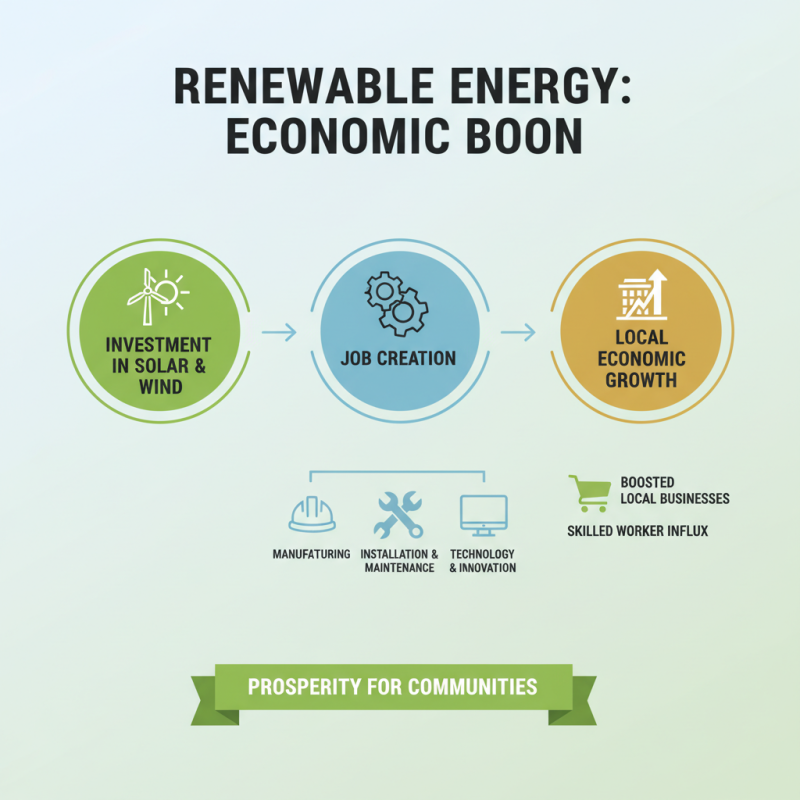
The transition to renewable energy sources promises significant economic benefits. Investing in solar and wind energy creates jobs across various sectors. Local economies can thrive as new energy projects are developed. Communities can see an influx of skilled workers, boosting local businesses.
Tips: Look for local workshops on renewable energy. Engaging with educational events can provide insights into job opportunities.
However, challenges remain. Some regions may struggle with the transition, lacking infrastructure. Without careful planning, these areas could miss out on crucial economic growth. Policymakers must address these concerns to ensure a balanced approach.
Tips: Encourage discussions within your community. Raising awareness can lead to better support for renewable projects. Seek collaboration between businesses and local governments for lasting impact.
Technological innovations are transforming the renewable energy landscape. For instance, solar panel efficiency has improved significantly over the past decade. According to the International Energy Agency (IEA), global solar capacity reached over 900 GW in 2021. This growth resulted from advances in photovoltaic technology and increased manufacturing scale.
Wind energy is also on the rise. Turbine efficiency has increased, allowing for more energy capture at lower wind speeds. A report from the U.S. Department of Energy noted that onshore wind projects can achieve capacity factors exceeding 50%. Despite these improvements, challenges remain. Infrastructure development is lagging behind the technology. Integrating renewable sources into existing grids requires new strategies and investment.
Energy storage technology is crucial for leveraging renewable sources fully. Improved battery designs and materials, like solid-state batteries, are promising. Still, they face scalability challenges. A report from the National Renewable Energy Laboratory highlighted that better energy storage could reduce costs by 50% by 2030. However, this potential needs ongoing research and investment. The path forward is complex, but the innovations offer a glimpse into a sustainable future.
This chart illustrates the growth of various renewable energy sources over the years 2010 to 2022, highlighting the increasing importance of these sources for a sustainable future.
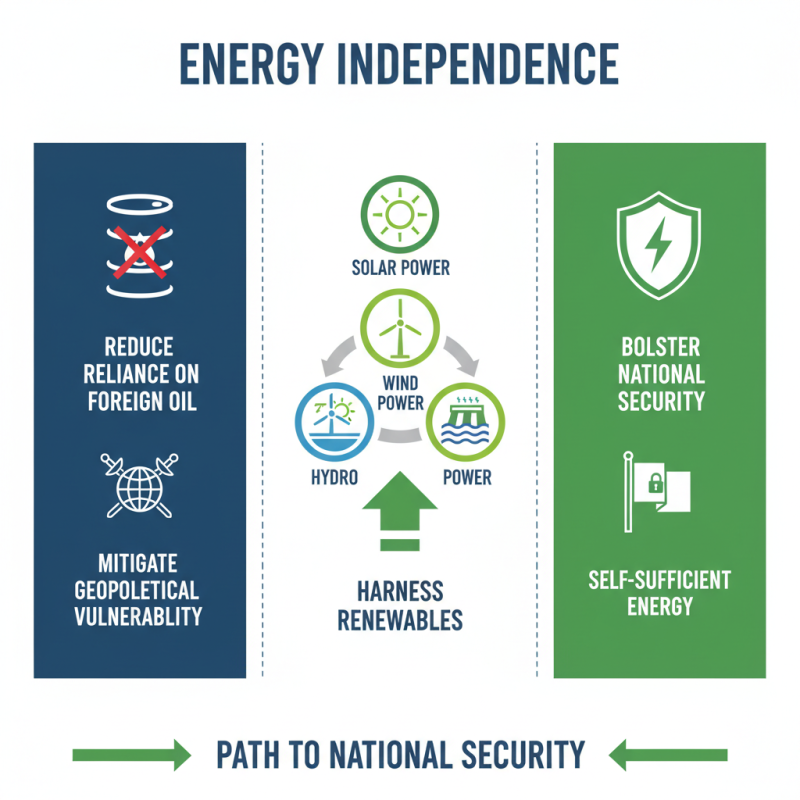
The pursuit of energy independence is crucial for any nation. Relying on foreign oil makes countries vulnerable to geopolitical tensions. Renewable energy sources can change this. When a country harnesses solar, wind, or hydro power, it reduces its reliance on external resources. This shift can bolster national security.
Imagine a future where homes and businesses run on clean energy. Cities could thrive without pollution from fossil fuels. However, the transition isn’t straightforward. Developing infrastructure for renewables takes time and investment. Some regions still face resistance to change. There are debates over land use and resource allocation. These challenges need careful consideration.
Local communities must come together. Education on the benefits of renewable resources is essential. People might not fully understand these advantages yet. Engaging in discussions can build consensus. As more citizens advocate for green energy, policymakers are likely to listen. True energy independence demands a collective effort.
The adoption of renewable energy sources significantly impacts social and environmental landscapes. According to the International Renewable Energy Agency (IRENA), renewable energy can create over 24 million jobs globally by 2030. This transition holds promise for economic development, particularly in underserved regions. However, job creation is often not uniform, leading to disparities. Some communities may thrive, while others may struggle to adapt.
Environmental benefits are clear and compelling. The Global Carbon Project states that renewable energy could reduce CO2 emissions by 70% by 2050. Less pollution means better air quality, which directly affects public health. Yet, the transition is not without challenges. Manufacturing solar panels and wind turbines requires substantial resources. The mining of critical minerals can lead to ecosystem disruptions if not managed responsibly.
Communities often struggle with the pace of change. Access to funding and technology varies widely. This can lead to tension between traditional energy sectors and emerging renewable industries. Social equity must be a focus in this transition. Policymakers need to address these gaps to ensure that all communities benefit from advancements in renewable energy. Engaging marginalized groups is vital for a successful and inclusive energy future.
| Impact Dimension | Description | Potential Benefits | Challenges |
|---|---|---|---|
| Economic Growth | Job creation in renewable energy sectors and decrease in energy costs over time. | Increased employment rates and reduced reliance on fossil fuels. | Initial investment costs and market volatility. |
| Environmental Protection | Reduction in greenhouse gas emissions and pollution levels. | Improved air quality and decreased health risks. | Environmental impact of production and disposal of renewable technologies. |
| Energy Security | Reduced dependence on imported fuels and enhanced energy independence. | Stability in energy prices and increased resilience to geopolitical issues. | Technological and infrastructure limitations. |
| Social Equity | Greater access to energy in underprivileged and remote communities. | Reduced energy poverty and improved living standards. | Potential displacement of communities due to project development. |