
In today's world, selecting the right source of energy is crucial. As renewable solutions gain momentum, the choices can be overwhelming. Dr. Emily Carter, an expert in sustainable energy, once said, "The best energy solution aligns with both your needs and environmental goals." This highlights the importance of assessing energy options carefully.
When exploring these energy sources, consider your specific needs. Do you require consistent power for a business? Or are you looking for a cost-effective solution for a home? There are various options: solar, wind, hydro, and traditional methods. Each has its own set of benefits and challenges.
Reflecting on past choices can be revealing. Many have rushed into decisions without full consideration. This may lead to dissatisfaction or higher costs. Evaluating energy sources requires thought and reflection. The right choice is not just about availability; it's about compatibility with your lifestyle and values. In this complex landscape, being informed is essential.
Assessing your energy needs is crucial for making informed decisions. Start by identifying how much energy you currently use. Look at your monthly utility bills. Calculate the average consumption. This gives you a clear perspective on your demand. Consider different factors, like the size of your home. The more space you have, the more energy you might need.
Next, think about your lifestyle. Do you have frequent guests? Is there anyone working from home? These details affect energy use. Write down your daily activities. Estimate how much energy each of them consumes. It’s not always straightforward. You might overestimate or underestimate your needs. Reflecting on this might help you find a more accurate picture.
Once you have this information, explore your options. There’s a variety of energy sources available. Compare their benefits and drawbacks. Think about sustainability and cost. Some sources may seem appealing but come with hidden costs. Keep an open mind. Adjust your assessments as you gather more information. Your energy needs might change over time, and so should your choices.
When it comes to choosing an energy source, understanding the pros and cons is crucial. Renewable energy sources, like solar and wind, have gained popularity. According to the International Energy Agency, renewable energy is expected to reach 50% of global energy supply by 2026. However, they can be inconsistent due to weather variability.
On the other hand, fossil fuels, such as oil and gas, provide stability and reliability. They currently supply about 80% of the world’s energy. Yet, they contribute significantly to greenhouse gas emissions. According to recent studies, burning fossil fuels has led to a 1.2°C rise in global temperatures since the pre-industrial era. This is alarming and demands a reconsideration of energy choices.
**Tips:** Evaluate your energy needs. If you require consistent power, fossil fuels may serve better. If you're focused on sustainability, renewables should be a priority. Scenarios might change; be adaptable. Keep track of energy costs and sources, as they fluctuate constantly. Lastly, consider the environmental impact; it shapes our future.
| Energy Source | Pros | Cons | Best Use Cases |
|---|---|---|---|
| Solar Energy | Renewable, low operational costs, reduces electricity bills | High initial installation costs, weather dependent | Residential, remote areas |
| Wind Energy | Clean, renewable, cost-effective in suitable locations | Noise and visual impact, requires strong winds | Rural areas, large-scale power generation |
| Natural Gas | Cleaner than coal, abundant, flexible | Greenhouse gas emissions, potential for leaks | Power generation, heating |
| Nuclear Energy | Low greenhouse emissions, high energy output | Radioactive waste, high costs, public perception issues | Large power plants, steady energy supply |
| Biomass | Renewable, can reduce waste, carbon neutral | Land use competition, possibly unsustainable sourcing | Heating, electricity generation |
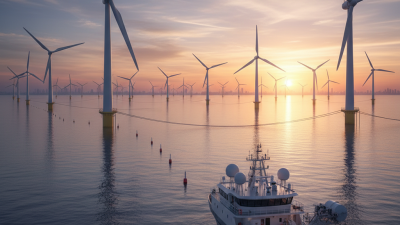
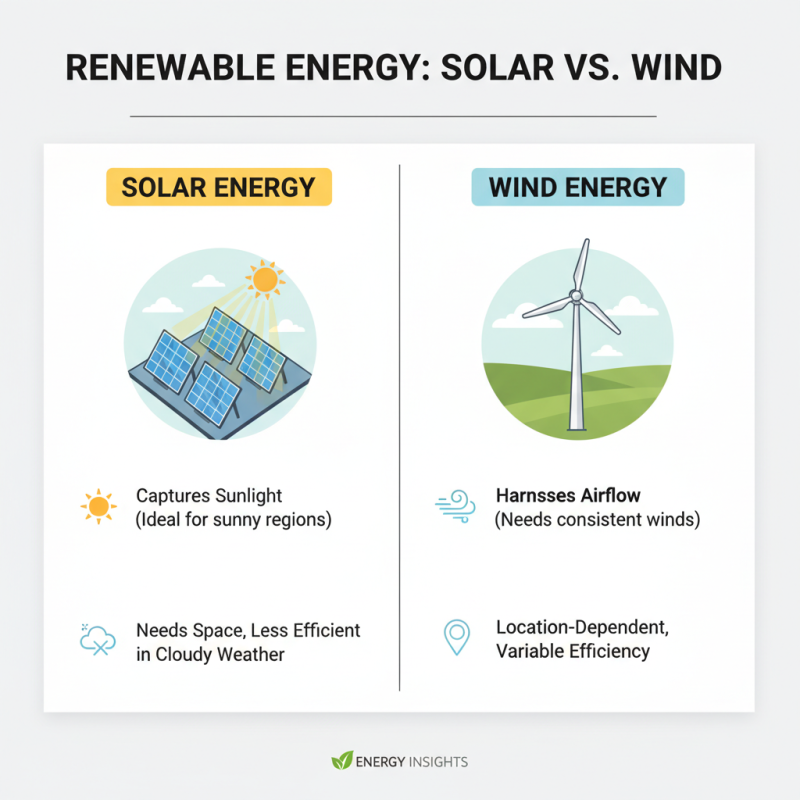
When considering renewable energy options, solar and wind stand out. Each has unique benefits and challenges. Solar energy captures sunlight, ideal for sunny regions. However, panels require space and may not perform well in cloudy weather. Wind energy harnesses airflow, often with turbines in open areas. Turbines need consistent winds, which may limit their efficiency in some locations.
**Tips:** Assess your location's sunlight and wind patterns. This data is crucial. It determines if solar panels or wind turbines are suitable for you. Understanding energy needs is also essential. Estimate your monthly usage to find the right size of the system.
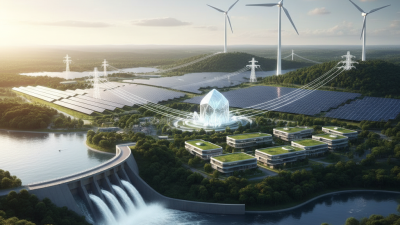
Other options exist, like hydroelectric or geothermal. Hydroelectric uses flowing water, great near rivers. Geothermal taps into Earth’s heat, often found in volcanic regions. Each source demands specific conditions to succeed. Not every choice fits every space or lifestyle. Evaluate carefully. You might discover an option that suits you best, even if it's unexpected.
When analyzing energy costs, comparing prices is crucial. In 2022, the U.S. Energy Information Administration reported that residential electricity prices averaged around 14.3 cents per kilowatt-hour. However, this price varies widely across regions. Some states pay as low as 9 cents, while others exceed 30 cents. This disparity impacts long-term savings significantly.
Switching to renewable sources can yield substantial savings. The International Renewable Energy Agency (IRENA) noted that the cost of solar energy fell by 82% from 2010 to 2019. While initial installation costs may be high, these investments often pay off within a decade. Furthermore, energy efficiency improvements can decrease usage by 20-30%.
Evaluating energy contracts requires discernment. Fixed-rate plans provide predictability but may be more expensive over time. Variable-rate plans can lower costs, yet they come with risks. It's vital to review contracts regularly. Analyze usage patterns and reassess your energy choices frequently. In the ever-changing energy landscape, staying informed helps in making the best decisions for your needs.
In recent years, technological innovations have transformed the energy landscape. New sources and methods are available for various needs. Solar and wind energy have become more accessible. However, choosing the best energy source can be overwhelming. It's crucial to evaluate your needs carefully.
The criteria for selecting an energy source have evolved. Reliability and cost-effectiveness are now paramount. New storage solutions, like batteries, play a vital role. They allow for consistent energy supply, even when sources are intermittent. Yet, some technologies still face challenges. For instance, efficiency can vary with weather conditions. Local infrastructure also affects the performance of these energy solutions.
Environmental impact cannot be ignored. While many technologies aim for sustainability, their production and disposal still raise questions. Not all options are eco-friendly throughout their lifecycle. It's important to reflect on these factors before making a decision. This thorough evaluation ensures that the chosen energy source meets your unique demands efficiently.