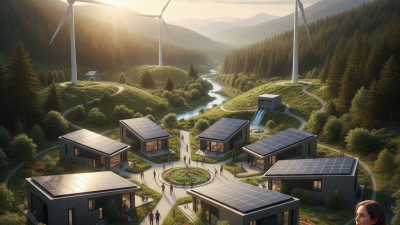

Power energy is the lifeblood of our modern world. It fuels our homes, industries, and daily activities. Yet, as we embrace technology, the impact on our planet grows. Sustainable living demands a shift in how we harness this energy.
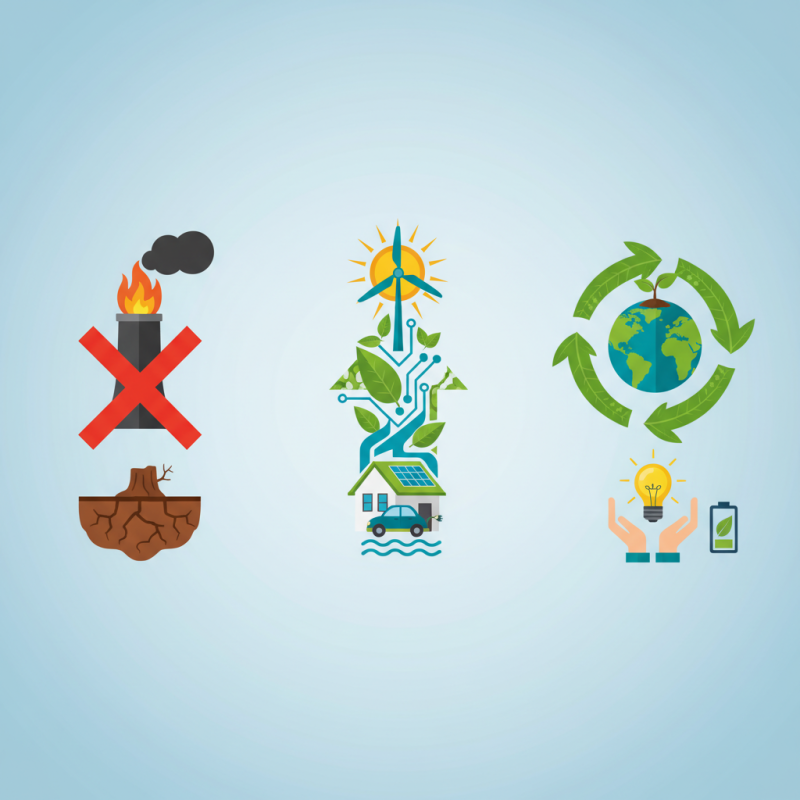
Many people still rely on fossil fuels. These depleting resources harm the environment. Renewable power energy sources, like solar and wind, offer hope. They are abundant and cleaner. However, there is a struggle in switching from traditional energy sources. This transition requires effort and dedication.
Living sustainably means rethinking our energy use. Simple changes at home can make a difference. Small adjustments, like using energy-efficient appliances, contribute to larger goals. The journey towards sustainable living is complex, yet necessary. It invites us to reflect on our choices and their consequences. Embracing power energy wisely can lead us to a healthier planet.
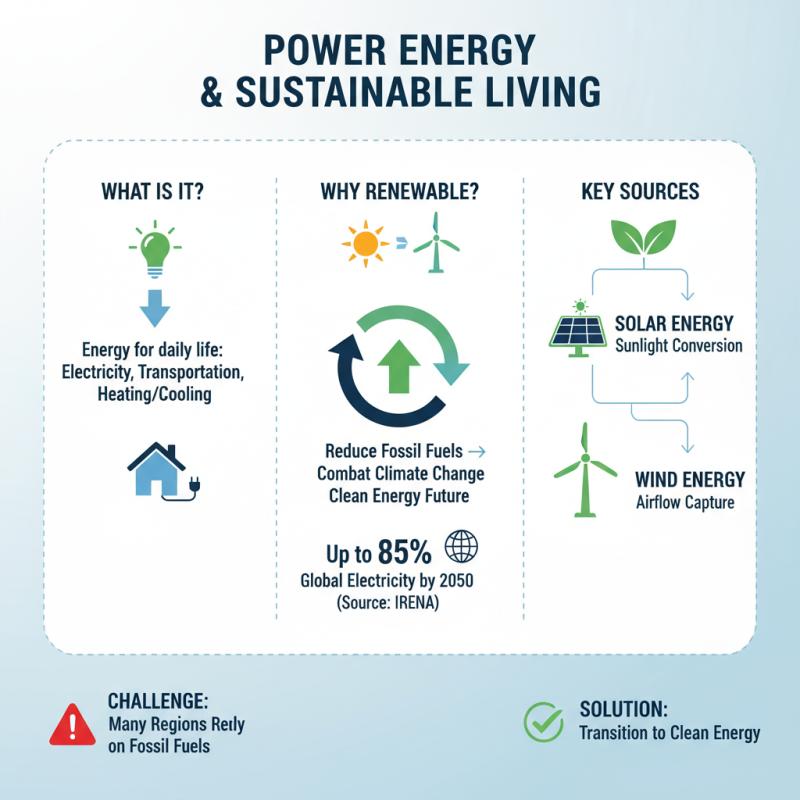
Understanding the concept of power energy is vital for sustainable living. Power energy refers to the energy used in daily life, from electricity to transportation. Transitioning to renewable sources like solar and wind energy is essential. According to the International Renewable Energy Agency, renewable energy sources can provide up to 85% of the global electricity demand by 2050. Yet, many regions still rely heavily on fossil fuels.
Embracing energy efficiency can also make a significant impact. Residential buildings account for roughly 30% of global energy consumption. Upgrading insulation and utilizing energy-efficient appliances can reduce this figure. However, the implementation is often slow due to costs and resistance to change. This is where personal commitment and community efforts can lead to encouragement.
Education plays a crucial role in this transformation. Many people are unaware of their energy consumption patterns. Awareness can lead to better habits and smaller carbon footprints. Despite these advancements, barriers remain. Until significant steps are taken at both the individual and systemic levels, the journey toward truly sustainable energy use will be challenging.
Exploring renewable energy sources can transform our everyday lives.
Solar panels are a common option. They capture sunlight and convert it into electricity.
Many homes now install these panels.
This shift can reduce energy bills significantly, but it does come with initial costs.
Maintenance can also be a concern for some.
Wind energy presents another alternative. Small wind turbines can be placed in backyards.
These turbines harness wind power to generate electricity. However, they require
specific wind conditions to be effective. Not every location is suitable.
Sometimes, they can be noisy and may affect local wildlife.
Hydropower is often overlooked for personal use. A small water wheel can produce energy if water flows nearby.
This is a sustainable option, yet it involves environmental factors, like flow changes.
Each renewable energy source has its pros and cons. The challenge lies in integrating them into our daily lives seamlessly.
We need to think creatively about how to use these resources responsibly.
Implementing energy efficiency practices is crucial for both homes and businesses. Simple adjustments can make a big difference. For instance, using LED lights can cut electricity bills significantly. These bulbs use much less power than traditional ones and last longer. Switching to energy-efficient appliances is another practical step. They consume less energy, saving money in the long run.
Don’t forget about proper insulation. Many buildings lose heat through poorly insulated walls or roofs. This can lead to excessive energy use for heating or cooling. Regular maintenance checks are also important. Leaky windows and doors can waste energy. Seal these gaps to improve comfort and efficiency.
However, implementing these practices can be challenging. It requires initial effort and often some investment. Not everyone may see immediate results. Patience is necessary. We must reflect on our habits and the changes we resist. Every small step towards energy efficiency contributes to a more sustainable future.
| Practice | Description | Estimated Energy Savings (%) | Cost Savings ($/year) |
|---|---|---|---|
| LED Lighting | Switching to LED lights can greatly reduce energy consumption. | 75% | $100 |
| Energy Star Appliances | Using appliances that meet Energy Star standards to save energy. | 30% | $200 |
| Smart Thermostats | Automates heating and cooling for improved efficiency. | 20% | $150 |
| Proper Insulation | Enhancing insulation in homes to reduce heating and cooling costs. | 35% | $250 |
| Solar Panels | Generating electricity from solar energy to offset utility costs. | 50% | $800 |
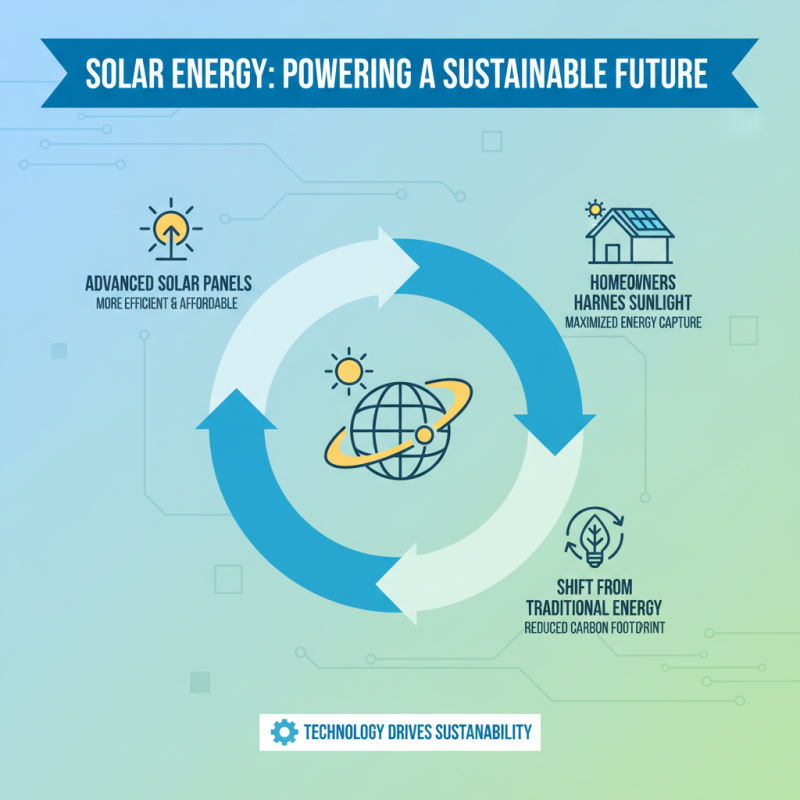
In today's world, technology plays a crucial role in promoting sustainable energy usage. Innovations in solar panels are making them more efficient and affordable. These advancements allow homeowners to harness sunlight more effectively. As a result, many are shifting from traditional energy sources to solar energy.
Smart grids are another exciting development. They optimize energy distribution and consumption in real-time. This technology helps reduce waste, allowing us to use only what we need. However, these systems can be complex and require maintenance. Challenges remain in integrating them into existing infrastructure.
Battery storage technology is evolving, too. It enables the efficient storage of renewable energy. Yet, the production of batteries can be environmentally taxing. Finding a balance between innovation and sustainability is vital. As we adopt these technologies, we must reflect on their long-term impacts, ensuring that they truly benefit our planet.
Transitioning to sustainable energy solutions requires collective effort. Communities can create pathways toward this goal by focusing on education and outreach. Local workshops can inform residents about energy efficiency and renewable options. Simple changes, like solar panels or wind turbines, can drastically reduce energy bills.
Engaging community leaders is essential. They can mobilize resources and encourage participation in sustainability initiatives. Creating a grassroots movement can foster collaboration. However, some may resist change due to costs or perceived inconvenience. Addressing these concerns with transparency and realistic solutions is crucial.
Communities can also establish shared energy projects. These projects allow residents to invest in sustainable infrastructure collectively. This not only builds trust but also strengthens community bonds. Yet, it's important to continually reflect on progress and challenges. Not every initiative will succeed, and learning from setbacks is part of the journey.