How to Harness Environmental Energy for a Sustainable Future?
In a world facing climate change, harnessing environmental energy emerges as a critical solution. Dr. Emily Carter, an expert in renewable energy, emphasizes, "The future lies in our ability to convert natural resources into sustainable energy." This statement highlights the importance of focusing on environmental energy sources such as solar, wind, and hydro power.
Environmental energy is not just a concept; it represents a shift towards sustainability. However, challenges remain. Many regions struggle with harnessing these resources effectively. Infrastructure is often outdated. Communities may lack access to the latest technologies. Education on environmental energy remains limited, creating disparities in energy access.
Moreover, the potential of environmental energy is vast but not without hurdles. We must engage with local communities to adapt solutions that meet their specific needs. Rethinking our approach is essential. There is no one-size-fits-all answer. By exploring diverse applications of environmental energy, we can create a more inclusive and sustainable future for all.
Understanding Environmental Energy: Types and Sources
Environmental energy is a key player in achieving sustainability. It encompasses various types and sources that can be harnessed for a cleaner future. Solar energy, for example, accounted for 3% of the global electricity generation in 2020. This figure is rising rapidly, but the deployment still faces challenges. Many areas lack adequate infrastructure for solar panel installation.
Wind energy is another significant source. Recent data shows that wind power generated about 7% of the world's electricity in 2020. However, wind farms can affect local ecosystems. There are concerns about bird and bat fatalities.
Hydro power also contributes significantly, representing nearly 16% of global electricity generation. Yet, large dams can displace communities and disrupt aquatic life.
The potential of geothermal energy is often underestimated. It can provide consistent, renewable energy, but is limited geographically. Not every region has accessible geothermal resources.
Energy efficiency measures must also be prioritized. According to the International Energy Agency, improving energy efficiency could save up to 50% of energy consumption by 2030. However, many buildings and industries still lack the necessary upgrades. These reflections highlight the complexity of harnessing environmental energy effectively.
The Role of Renewable Energy in Sustainable Development Goals
Renewable energy plays a crucial role in achieving
sustainable development goals (SDGs).
According to the International Renewable Energy Agency, renewables could supply over
90% of electricity by 2050. This shift can significantly reduce
greenhouse gas emissions. The impact on climate change is substantial. A clean energy transition is not
just a choice; it is a necessity.
However, there are challenges. Many countries still rely heavily on fossil fuels. For instance,
around 80% of global energy comes from oil, coal, and gas. Transitioning to renewable sources
requires substantial investment. Financial constraints often limit access to clean energy technologies.
By 2030, the world aims for universal access to affordable energy.
Yet, current projections suggest that 759 million people will still
lack access. This inequity highlights the urgent need for innovative financing
and policy frameworks. Sustainable development is complex. It requires global cooperation and local
commitment to address these gaps effectively.
Innovative Technologies for Capturing and Storing Environmental Energy
Innovative technologies are transforming the way we harness environmental energy.
Solar panels capture sunlight and convert it into electricity.
Wind turbines harness wind power efficiently.
These systems can be placed on buildings or farms.
However, the initial setup costs can be significant.
Many community projects struggle to find funding.
This reflects a gap in accessibility that needs addressing.
Energy storage is another vital aspect.
Batteries play a crucial role in storing renewable energy.
This allows for energy use during non-production times.
Yet, current battery technologies have limitations.
Energy density and recycling remain challenging issues.
People often overlook the importance of proper disposal.
Improper disposal can harm the environment we aim to protect.
Geothermal energy is a promising alternative.
It taps into the Earth’s heat, providing consistent power.
Some countries have made great strides here.
Still, this technology is not universally applicable.
Geographic limitations can restrict its use.
The challenge lies in expanding these technologies to reach all communities.
There’s much to learn and improve upon in this exciting field.
Economic Benefits of Transitioning to Environmental Energy Solutions
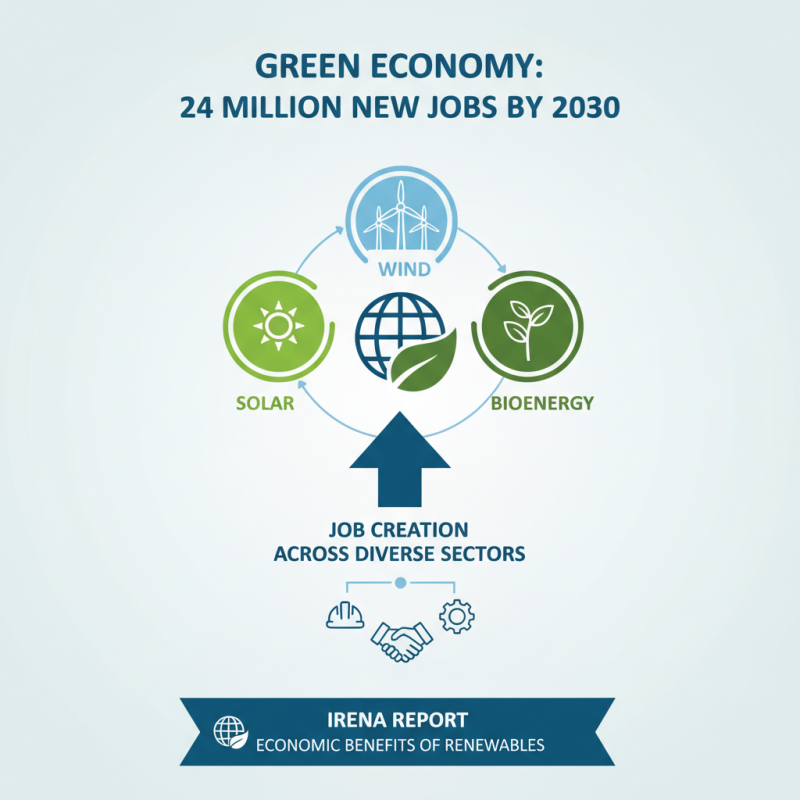
Transitioning to environmental energy solutions offers significant economic benefits. According to a recent report by the International Renewable Energy Agency (IRENA), the renewable energy sector could generate 24 million jobs by 2030. This surge comes from investments in solar, wind, and bioenergy technologies. Countries moving towards these energy sources often see job creation across diverse sectors.
Lowering electric bills is another advantage. The U.S. Department of Energy states that homes with solar panels can save up to 70% on energy costs over time. This shift creates a more resilient economy. When combined with energy efficiency measures, households and businesses can reduce financial burdens. However, challenges exist. Initial installation costs for renewable systems can be daunting. Government incentives are crucial to make these technologies more accessible.
Furthermore, transitioning to environmental energy can attract investments. Research by Bloomberg New Energy Finance shows that global renewable investment reached $501 billion in 2020. Investors often seek sustainable projects that align with ESG (Environmental, Social, Governance) standards. Communities can benefit from improved infrastructure and attract talent. Yet, the transition needs careful planning. Risks associated with technology adoption and market fluctuations must be navigated wisely.
Case Studies: Successful Implementation of Sustainable Energy Practices
Sustainable energy practices are gaining traction globally. Case studies from various regions illustrate successful implementations. For instance, a community in Germany transformed an old landfill into a solar park, producing energy for over 1,000 homes. This project not only reduced waste but also provided a local energy source. According to the International Renewable Energy Agency, solar power could supply over 20% of the world’s energy by 2040.
In another example, a small island community in Kenya utilized wind energy. They installed small wind turbines which supply electricity to schools and clinics. This initiative improved education and healthcare access, ringing in significant lifestyle improvements. Research shows that green energy projects can enhance local economies. Moreover, they can help combat climate change, making them crucial for a sustainable future.
Tip: When considering renewable energy, assess local resources. Each region offers unique environmental energy potentials. Collaborating with community stakeholders leads to better sustainability outcomes. Open forums can improve participation and the chance of project success. Balancing ambition with practicality can help avoid common pitfalls, such as overestimating energy production. Emphasizing continuous feedback and improvements is key.