
In today's world, where the demand for power and energy continues to rise, implementing effective energy-saving strategies in our homes has never been more critical. According to the U.S. Energy Information Administration, residential buildings consumed approximately 21% of the total energy used in the country in 2019, highlighting the significant impact that household energy usage has on the environment and our wallets. As energy prices fluctuate and concerns about climate change grow, it is essential for homeowners to adopt practices that reduce their energy footprint while also saving on utility bills.
Recent studies indicate that simple changes can lead to substantial energy savings. The American Council for an Energy-Efficient Economy reports that implementing energy-efficient measures can reduce home energy use by up to 30%, yielding not only cost savings but also a decrease in greenhouse gas emissions. By focusing on key areas such as lighting, heating, and appliance efficiency, homeowners can transform their living spaces into energy-efficient havens. In this guide, we will explore ten essential tips that you can implement today to save power and energy, ultimately benefiting both your household and the planet.
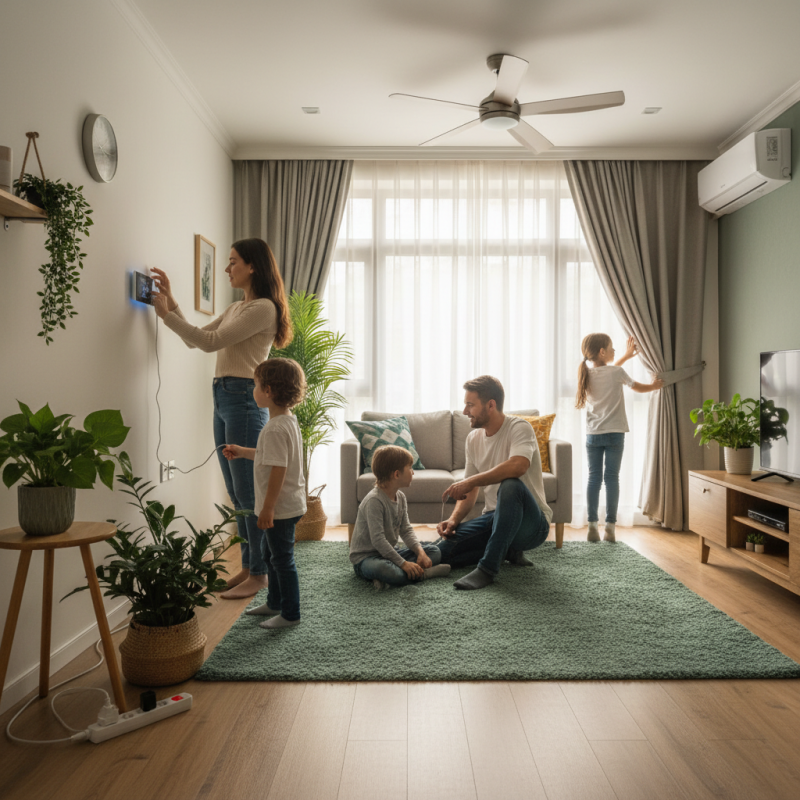
Energy conservation in homes is not just a personal responsibility; it plays a crucial role in addressing broader environmental and economic challenges. By reducing energy consumption, households can significantly decrease their carbon footprints, which contributes to mitigating climate change. This preservation of energy resources is essential for sustaining the planet for future generations. Moreover, understanding how energy use impacts the environment fosters a sense of responsibility among individuals and communities alike, nudging everyone towards more conscious consumption habits.
Implementing energy-saving practices is beneficial not only for the environment but also for monthly utility bills. Simple actions such as using energy-efficient appliances, improving insulation, or utilizing natural light can lead to substantial savings over time. Increasing awareness of energy conservation encourages families to rethink their habits and make informed choices.
Ultimately, embracing energy-efficient solutions can create a ripple effect, inspiring others to act and propelling society towards a more sustainable and energy-conscious future.
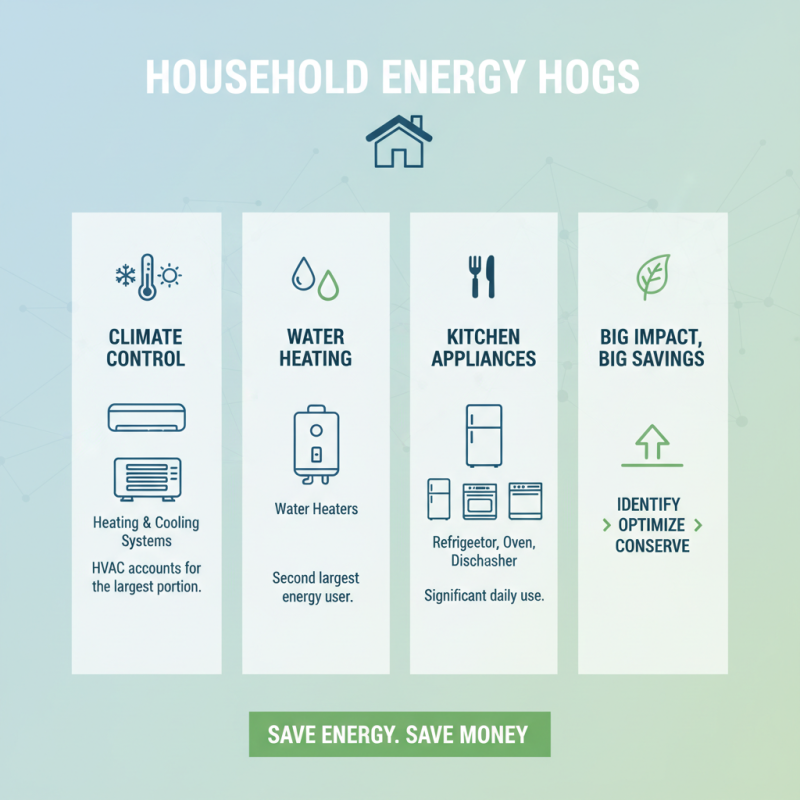
In every household, certain appliances and systems significantly contribute to energy consumption, impacting both your utility bills and the environment. Identifying these major energy consumers is the first step towards a more energy-efficient home. Common culprits often include heating and cooling systems, water heaters, and kitchen appliances. By understanding which devices use the most energy, you can make informed decisions about where to focus your conservation efforts.
One effective tip is to regularly maintain your heating and cooling systems. A well-maintained HVAC system operates more efficiently, reducing energy waste. Additionally, consider replacing incandescent bulbs with LED lights, as they consume a fraction of the energy and last much longer. Another straightforward approach is to unplug devices that aren’t in use, as many electronics draw power even when turned off, a phenomenon known as phantom load.
Finally, evaluating your water heating practices can yield significant savings. Lowering the thermostat on your water heater to around 120 degrees Fahrenheit can help save energy while still providing comfortable hot water. By making small changes and being mindful of your major energy consumers, you can drastically reduce power usage in your home while promoting sustainability.
Implementing efficient lighting solutions is one of the most impactful ways to reduce energy consumption in your home. According to the U.S. Department of Energy, lighting accounts for approximately 15% of the total energy consumed in residential buildings. Transitioning from traditional incandescent bulbs to LED lighting can yield significant savings. LEDs use at least 75% less energy and last up to 25 times longer than incandescent lighting. By simply replacing five of the most frequently used bulbs in your home with LEDs, you could save around $75 each year on your electricity bill.
Moreover, the use of smart lighting systems can further enhance energy efficiency. A recent report from the International Energy Agency indicates that smart lighting can lead to energy reductions of up to 30%. These systems allow you to control the brightness and schedule of your lights, ensuring they are only on when needed. Additionally, integrating motion sensors can help significantly cut back on energy use by automatically turning off lights when a room is unoccupied. As households increasingly adopt sustainable practices, efficient lighting solutions not only contribute to lower bills but also promote a more environmentally friendly lifestyle.
| Tip | Description | Estimated Savings (%) | Implementation Cost ($) |
|---|---|---|---|
| Switch to LED Bulbs | Replace traditional bulbs with LED lights. | 75% | 10-100 |
| Use Dimmer Switches | Install dimmer switches to adjust brightness. | 20% | 20-50 |
| Utilize Natural Light | Maximize window usage for lighting. | 30% | 0 |
| Install Motion Sensors | Use motion-activated lights in less-used areas. | 15% | 50-150 |
| Regular Maintenance | Keep light fixtures clean to maximize efficiency. | 5% | 0 |
| Use Task Lighting | Focus light on work areas instead of general lighting. | 10% | 25-75 |
| Opt for Smart Lighting | Integrate smart bulbs and systems. | 40% | 100-300 |
| Choose Warm Light | Opt for warm LED lights for energy efficiency. | 15% | 20-80 |
| Install Skylights | Add skylights to reduce the need for electric lights. | 25% | 200-500 |
| Turn Off Unused Lights | Adopt a habit of turning off lights when not needed. | 10% | 0 |
Smart technology has revolutionized home energy management, offering homeowners unparalleled control over their energy usage and efficiency. According to a report by the International Energy Agency, buildings account for approximately 40% of global energy consumption, and integrating smart technology can reduce this figure significantly. By utilizing sensors, smart thermostats, and energy management systems, homeowners can better monitor and manage their energy consumption in real-time.
One effective tip is to install a smart thermostat, which learns your heating and cooling preferences and adjusts settings accordingly. Recent studies indicate that smart thermostats can lead to energy savings of up to 10-15% annually. Another great approach is to utilize smart plugs, which allow you to control devices remotely and monitor their energy usage through mobile applications. The U.S. Department of Energy reports that simply unplugging devices or using smart plugs can save households around $100 a year.
Additionally, embracing energy-efficient appliances is crucial. The U.S. EPA reported that Energy Star-rated products use about 15-50% less energy than standard appliances, making them an excellent investment for reducing power consumption. By adopting these technologies, homeowners are not only benefiting their finances but also contributing to a more sustainable future.
Establishing simple daily habits is crucial for maximizing energy savings in your home. One effective practice is to become mindful of your electricity usage throughout the day. For instance, turning off lights when a room is unoccupied and unplugging chargers when devices are fully charged can significantly reduce unnecessary energy consumption. Additionally, utilizing natural light during the day instead of artificial lighting not only conserves energy but also enhances your indoor environment.
Another essential habit is to optimize the use of major appliances. Running dishwashers and washing machines during off-peak hours can save both energy and money. It’s also beneficial to use appliances efficiently—such as only running full loads and selecting energy-saving settings. Furthermore, setting your thermostat a few degrees lower in winter and higher in summer can lead to noticeable energy savings without sacrificing comfort. By adopting these small, mindful habits, homeowners can create a significant positive impact on their energy consumption and contribute to a more sustainable household.