
As the global energy landscape evolves, wind power energy has emerged as a crucial player in the transition towards renewable sources. According to the Global Wind Energy Council, the cumulative installed wind power capacity reached 743 GW by the end of 2020, showcasing an annual growth rate of 12% over the past decade. With projections estimating that wind energy could provide up to 35% of the world's electricity by 2030, harnessing this abundant resource effectively has never been more imperative.
However, the journey towards optimizing wind power energy involves overcoming several challenges, from technological advancements to regulatory frameworks. Reports from the International Renewable Energy Agency indicate that increasing efficiency and reducing costs in wind power energy technology is essential for enhancing its competitiveness against fossil fuels. Furthermore, as innovation in wind turbine design continues to advance, there is an increasing demand for industry stakeholders to adopt best practices that maximize output and sustainability.
This article outlines ten essential tips for effectively harnessing wind power energy, aiming to provide insights into how individuals, communities, and organizations can optimize their wind energy deployment strategies. Embracing these strategies not only contributes to energy independence but also plays a significant role in mitigating climate change impacts.
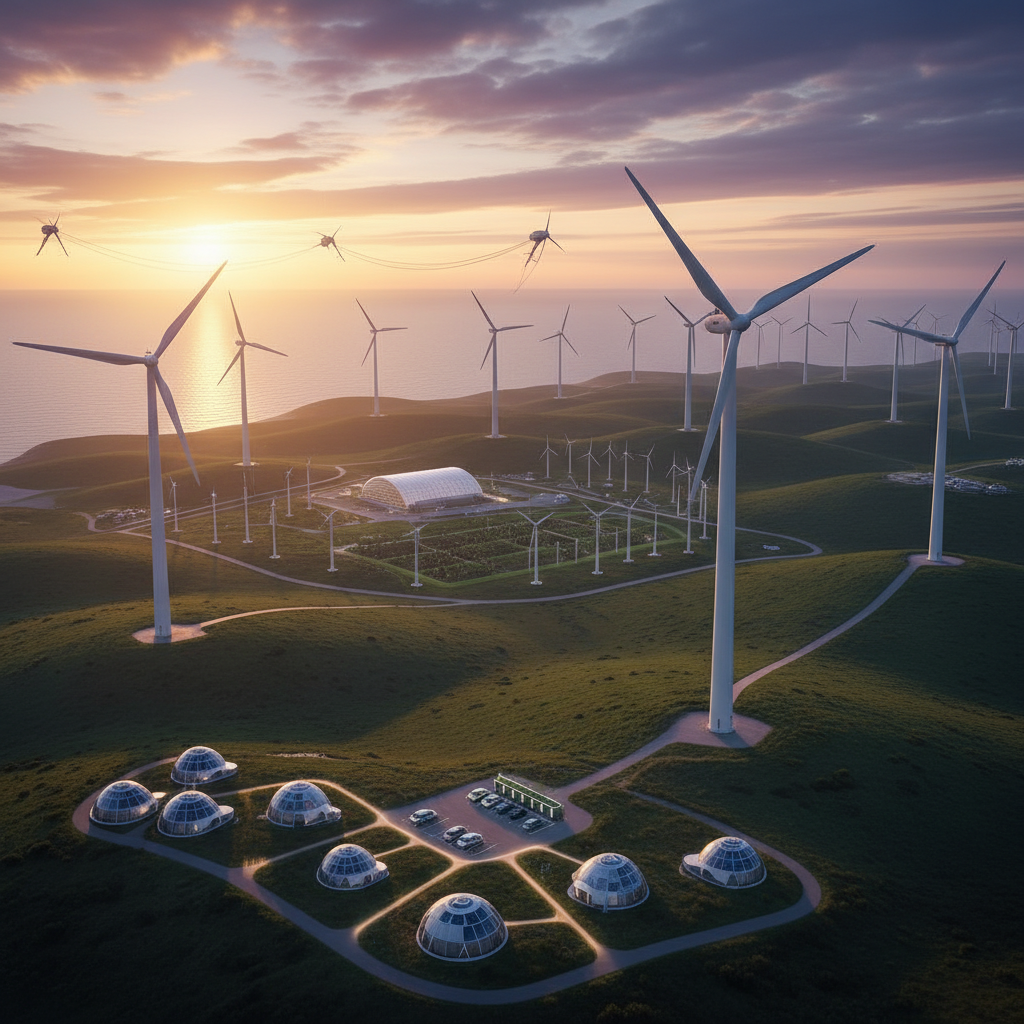
Wind power energy is an essential renewable resource that plays a significant role in the global effort to combat climate change. By harnessing the kinetic energy generated by wind, we can produce electricity without emitting harmful greenhouse gases. Understanding how wind power works involves recognizing the technology behind wind turbines, which convert wind motion into mechanical energy and subsequently into electrical energy. This clean energy source not only reduces dependency on fossil fuels but also supports sustainable economic growth through job creation in the manufacturing, installation, and maintenance of wind farms.
The importance of wind power energy extends beyond its environmental benefits. As countries strive to meet their energy demands, wind power presents a viable solution that enhances energy security and diversifies energy sources. Furthermore, the declining costs of wind energy technology have made it increasingly competitive compared to traditional energy sources. The investment in wind power infrastructure not only paves the way for a greener future but also fosters innovation in energy storage and distribution systems. As we continue to prioritize renewable energy solutions, understanding the fundamentals of wind power will be crucial for effective implementation and maximizing its potential.
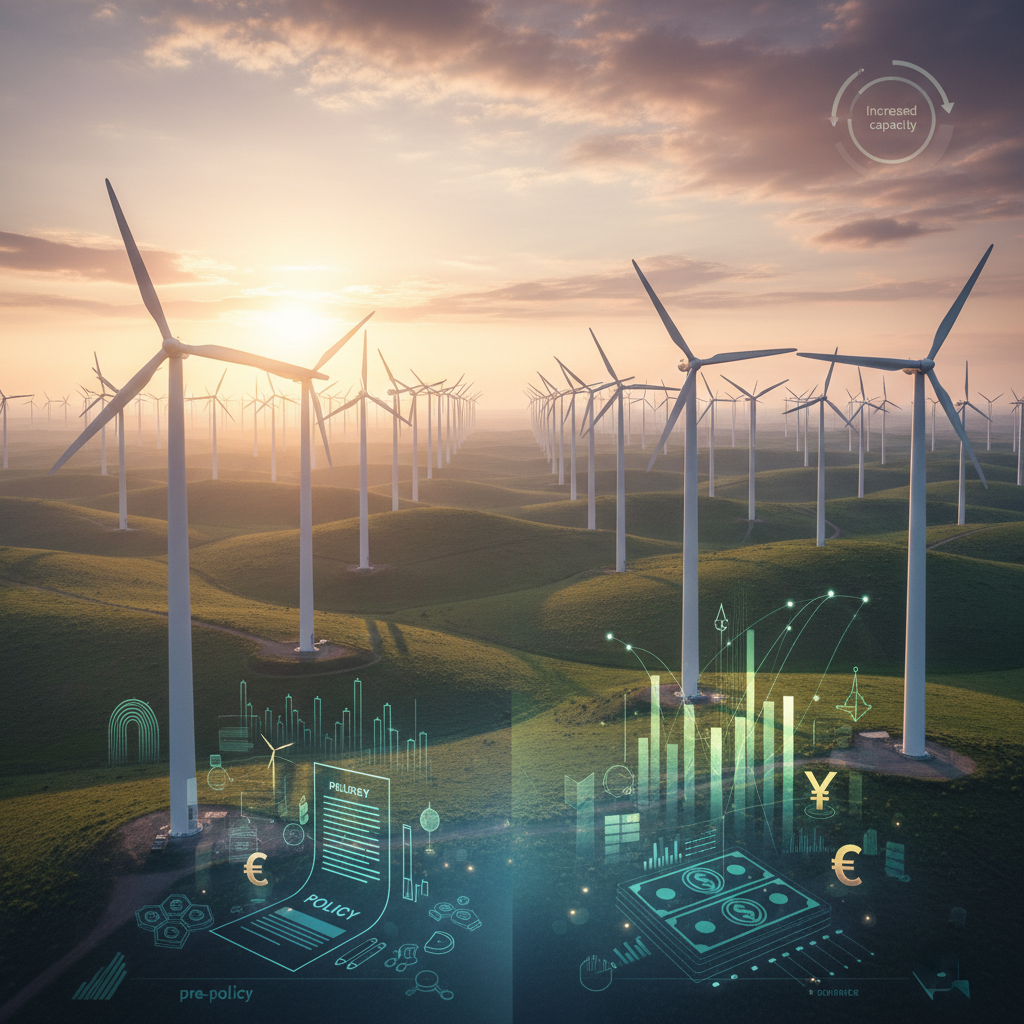
Identifying optimal locations for wind energy generation in 2025 is crucial for maximizing efficiency and output. According to the Global Wind Energy Council (GWEC), the wind energy capacity worldwide is expected to exceed 1,000 gigawatts by 2025, with coastal regions and elevated terrains becoming prime targets for installation due to their consistent wind patterns. Areas along the Great Lakes in the United States, as well as the North Sea off the coast of Europe, are identified as hotspots, offering some of the highest average wind speeds, crucial for harnessing energy effectively.
Furthermore, a recent study by the National Renewable Energy Laboratory (NREL) highlights that regions with wind speeds exceeding 6.5 meters per second are ideal for turbine implementation. It is recommended to conduct thorough site assessments in areas such as Central Plains states in the U.S. and strong coastal winds in Scandinavia. By focusing on these high-potential locations, stakeholders can significantly increase energy yields while contributing to global renewable energy targets. Enhanced predictive modeling and market analysis will further guide developers in confirmation of site viability, ensuring a sustainable future for wind energy generation.
Harnessing wind power energy effectively relies heavily on innovative technologies that can enhance the efficiency of wind turbines. One significant advancement is the development of smart turbine controls, which utilize real-time data analytics to optimize the angle of blades according to wind conditions. This adaptive mechanism not only maximizes energy capture but also minimizes wear and tear on turbine components, leading to longer operational lifespans.
Another critical innovation is the integration of materials science in turbine design. The use of lighter, yet stronger materials allows for larger and more efficient blades. These blades can capture more wind energy without compromising stability. Implementing aerodynamic designs and advanced coatings also contributes significantly to reducing drag and increasing overall turbine performance.
To effectively harness wind energy, consider implementing regular maintenance schedules focused on identifying and addressing mechanical issues promptly. Additionally, engaging in community awareness programs can foster support for new wind projects and encourage local participation. Lastly, exploring hybrid systems that combine wind with other renewable sources can further enhance energy reliability and efficiency.
| Tip Number | Tip Description | Expected Outcome | Innovative Technology |
|---|---|---|---|
| 1 | Optimize turbine placement to capture maximum wind speed. | Increased energy output by up to 15%. | Advanced wind mapping technologies. |
| 2 | Implement smart grid technology for efficient energy distribution. | Reduced energy loss during transmission. | Real-time monitoring systems. |
| 3 | Utilize high-efficiency blade designs. | Enhanced overall performance and durability. | Computational fluid dynamics (CFD). |
| 4 | Incorporate energy storage solutions. | Stability in energy supply during low wind periods. | Battery storage technologies. |
| 5 | Regular maintenance and monitoring of turbines. | Extended life-span and efficiency of turbines. | Predictive maintenance software. |
| 6 | Utilize variable speed drive (VSD) technology. | Better performance across varying wind conditions. | VSD technology implementation. |
| 7 | Deploy advanced forecasting tools. | Improved energy production planning and risk management. | Machine learning algorithms for wind forecasting. |
| 8 | Consider offshore wind farm development. | Higher and more consistent wind speeds. | Floating wind turbine technology. |
| 9 | Explore hybrid systems combining wind with solar power. | Maximized energy generation throughout the year. | Integrated renewable systems. |
| 10 | Engage in community awareness and education on wind energy. | Increased public support and advocacy for wind projects. | Outreach programs and workshops. |
Maintaining and operating wind power systems effectively is crucial for maximizing their efficiency and longevity. According to the U.S. Department of Energy, regular maintenance can improve wind turbine availability by up to 20%, which translates into significant energy production gains. Routine inspections should include checking mechanical and electrical components, ensuring the blades are clear of debris, and monitoring the condition of the gearbox and generator. Implementing a predictive maintenance strategy, supported by data analytics, helps identify potential issues before they lead to costly breakdowns.
In addition to maintenance, adopting best operational practices can enhance wind energy output. The Global Wind Energy Council states that optimizing the turbine's orientation and controlling its pitch based on real-time wind conditions can lead to energy production increases of 5-15%. Moreover, leveraging advanced software for performance monitoring allows for the analysis of operational data to make informed decisions regarding when to perform maintenance and how to adjust operations for maximum efficiency. These strategies collectively enable wind power systems to operate at peak performance, contributing to the overall sustainability of renewable energy resources.
The development of wind energy is significantly influenced by various policy frameworks and incentives designed to promote its growth. According to the Global Wind Energy Council (GWEC), globally installed wind power capacity reached 743 GW by the end of 2020, with substantial contributions from supportive governmental policies. Countries that have successfully implemented feed-in tariffs, tax credits, and renewable energy certificates, such as Germany and the United States, have seen accelerated wind power installations. These frameworks create a favorable investment climate that fosters innovation and reduces the cost of wind energy technologies.
To harness wind power effectively, stakeholders should prioritize the following tips. First, it is essential to engage in comprehensive site assessments that consider wind resource availability, environmental impacts, and community acceptance. Secondly, collaboration between public and private sectors is crucial; aligning their interests can streamline project development and secure necessary funding. Moreover, staying informed about evolving governmental incentives and regulatory frameworks can provide a competitive advantage in the market. Investing in research and development will also enhance the efficiency and reliability of wind technology, ensuring its viability as a major energy source in the future.