
As the world grapples with the profound effects of climate change and resource depletion, the concept of environmental energy has emerged as a critical focus for sustainable development. Environmental energy, derived from natural processes and resources such as sunlight, wind, and geothermal heat, offers a pathway towards a more sustainable future. This transition not only seeks to reduce greenhouse gas emissions but also aims to create resilient systems that can adapt to the challenges posed by a changing climate.
The significance of environmental energy extends beyond mere energy production; it encompasses a broader shift in how societies interact with nature. By harnessing renewable energy sources, we have the potential to foster economic growth while preserving the planet's ecosystems. This paradigm shift challenges traditional energy consumption patterns and encourages innovative technological advancements, contributing to a cleaner environment. Understanding environmental energy is therefore crucial for policymakers, businesses, and individuals alike, as we strategize for a future that balances ecological integrity with human needs.
In this exploration of environmental energy, we will delve into its various forms, potential benefits, and the obstacles we must overcome to fully realize its promise. By prioritizing environmental energy solutions, we pave the way for a sustainable and prosperous future, ensuring that both current and future generations can thrive in harmony with the natural world.
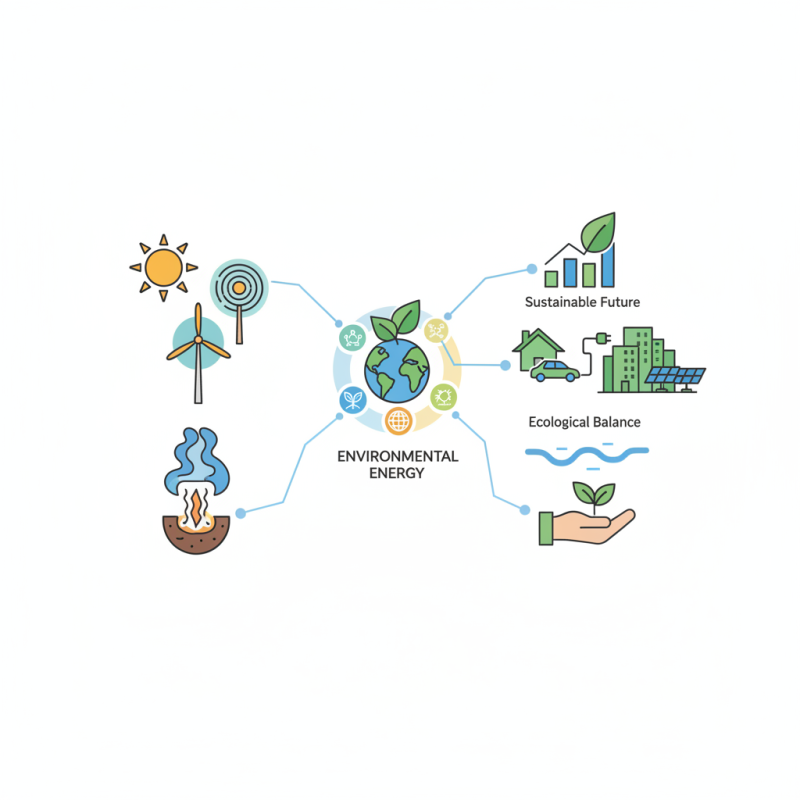
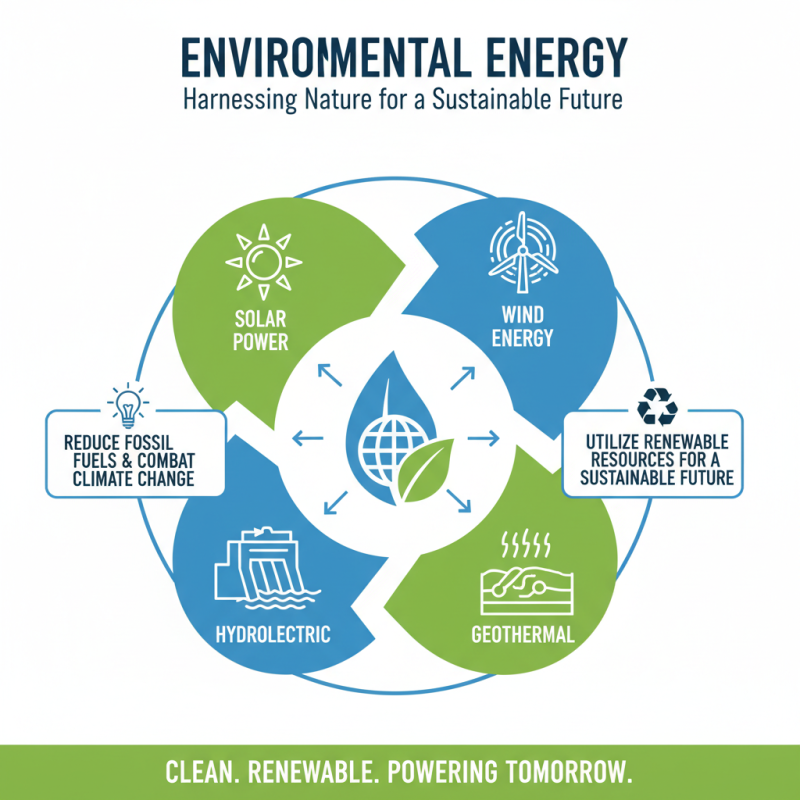
Environmental energy refers to the energy derived from natural processes and resources that are present in our surroundings. This concept encompasses a wide range of sources, including solar, wind, hydroelectric, and geothermal energy. Understanding environmental energy is crucial as it highlights the potential of utilizing renewable resources to combat climate change and reduce our reliance on fossil fuels. By harnessing the Earth's natural capabilities, we can create a sustainable future that minimizes environmental degradation.
Tip: When considering how to tap into environmental energy, start by assessing your own energy consumption. Simple changes, like utilizing solar panels for heating water or incorporating energy-efficient appliances, can significantly reduce your carbon footprint while promoting sustainable energy practices.
Moreover, integrating environmental energy into our daily lives can lead to greater energy independence and economic benefits. Communities that invest in renewable energy projects not only create jobs but also bolster local economies. Engaging in discussions about policy-making and supporting renewable energy initiatives can propel societies toward a greener future.
Tip: Educate yourself and others about the benefits of environmental energy. Host community workshops or discussions to spread awareness and inspire collective action toward renewable energy solutions.
Environmental energy encompasses various renewable energy sources derived from the natural environment, which can significantly influence our future energy landscape. The main types include solar, wind, biomass, hydro, and geothermal energy. Each of these sources has distinct characteristics and varying potentials when it comes to sustainability and efficiency. According to the International Renewable Energy Agency (IRENA), the share of renewable energy sources in global electricity generation increased to approximately 29% in 2020, a figure that continues to rise as more countries seek to transition away from fossil fuels.
Solar energy stands out as one of the most promising sources, harnessing sunlight through photovoltaic cells and solar thermal systems. The Global Solar Council reports that solar power capacity reached over 700 gigawatts in 2019, making it a leading source of new power generation. Similarly, wind energy, harnessed through turbines, has also seen explosive growth, with wind capacity exceeding 650 gigawatts globally by the end of 2019, according to the Global Wind Energy Council. Both sectors are expected to continue expanding rapidly, driven largely by technological advancements and decreasing costs, reinforcing their roles as critical components in achieving a low-carbon future.
Biomass and geothermal energy are equally important, albeit less prominent. Biomass utilizes organic materials, while geothermal energy captures heat from the earth. The U.S. Energy Information Administration indicates that biomass contributed about 5% to total U.S. energy consumption in recent years, while geothermal accounts for a smaller but stable share. As the demand for clean energy solutions grows, understanding the characteristics and potentials of these environmental energy sources will play a crucial role in shaping an sustainable energy future.
| Energy Source | Type | Characteristics | Pros | Cons |
|---|---|---|---|---|
| Solar Energy | Renewable | Harnessed from sunlight using solar panels | Infinite resource, low operational costs | High initial installation costs, weather dependent |
| Wind Energy | Renewable | Generated by wind turbines converting wind kinetic energy | Clean energy source, low emissions | Inconsistent energy supply, affects wildlife |
| Hydroelectric Energy | Renewable | Produced by harnessing water flow in rivers or through dams | Reliable energy source, efficient energy conversion | Environmental impact on aquatic ecosystems, potential for flooding |
| Geothermal Energy | Renewable | Utilizes heat from the Earth’s interior | Low emissions, reliable and consistent | Limited to specific geographic locations, high initial cost |
| Biomass Energy | Renewable | Derived from organic materials, such as plant and animal waste | Reduces waste, can utilize existing waste sources | Emissions during combustion, requires land for cultivation |
Environmental energy, primarily derived from renewable sources like solar, wind, and hydropower, plays a pivotal role in sustainable development. According to the International Renewable Energy Agency (IRENA), transitioning to renewable energy could reduce greenhouse gas emissions by up to 70% by 2050, significantly mitigating the impacts of climate change. This transition is not merely an environmental imperative but also an economic opportunity, with the renewable energy sector projected to create 24 million jobs globally by 2030.
Moreover, the deployment of environmental energy technologies fosters energy independence and security. Countries investing in renewables can decrease reliance on fossil fuels, leading to more stable energy prices and improved resilience against geopolitical tensions. The World Economic Forum highlights that nations leveraging renewable energy sources can enhance their energy autonomy and bolster their economies, especially in regions where energy resources are scarce or politically unstable.
Involving environmental energy into urban planning and infrastructure is also crucial. The Global Status Report released by the United Nations Environment Programme indicates that cities can achieve up to 60% of global emissions reductions by optimizing energy efficiency and integrating renewable sources. This holistic approach not only supports ecological balance but also promotes sustainable living standards, ensuring a healthy environment for future generations.
Harnessing environmental energy presents both significant challenges and unique opportunities as we endeavor to meet the growing global demand for sustainable power. One of the primary challenges lies in the variability of renewable resources such as solar and wind energy, which can be inconsistent and region-specific. This intermittency requires robust energy storage solutions and grid management technologies to ensure a reliable supply. Furthermore, the initial investment in renewable technologies and infrastructure can be high, potentially deterring stakeholders from transitioning away from conventional energy sources.
On the other hand, the movement towards environmental energy opens up a realm of opportunities for innovation and economic growth. The shift to sustainable energy systems can stimulate job creation in new industries, from manufacturing solar panels to developing smart grid applications. Additionally, advancements in technology can lead to more efficient energy harnessing methods, reducing costs and increasing accessibility to clean energy solutions. The collaboration between governments, businesses, and communities is essential to navigate these challenges and leverage the opportunities, collaboratively crafting a future where environmental energy can play a pivotal role in achieving a sustainable and prosperous society.
The future of environmental energy is poised for transformative shifts driven by technological innovations and a growing global emphasis on sustainability. According to the International Renewable Energy Agency (IRENA), renewable energy sources could account for up to 86% of global power generation by 2050, significantly reducing dependence on fossil fuels. This transition is not merely a necessity to combat climate change but also presents a substantial economic opportunity, with estimates suggesting that renewable energy could generate up to 24 million jobs worldwide by 2030.
Emerging technologies are playing a pivotal role in this evolution. Innovations such as advanced energy storage solutions, smart grid technologies, and enhanced solar panel efficiency are set to redefine energy consumption patterns. The U.S. Department of Energy projects that energy storage capacity could grow from 4 gigawatts in 2019 to 35 gigawatts by 2025, bolstering the reliability of renewable sources. Furthermore, developments in artificial intelligence are optimizing energy management systems, allowing for greater efficiency and lower costs. As these technologies proliferate, they are not only shaping a sustainable energy landscape but also fostering resilience against potential energy crises, setting a promising trajectory for both the environment and the economy.