

In the quest for sustainable living, efficiently sourcing and utilizing energy has become paramount. As we face significant challenges, including climate change and depleting natural resources, a strategic approach to managing our energy sources is essential for both individual and communal resilience. Dr. Emily Carter, a leading expert in the field of renewable energy and sustainable practices, underscores this necessity by stating, "Our ability to innovate in how we source and utilize energy will dictate the future of our planet."
Incorporating sustainable energy strategies not only reduces our carbon footprint but also promotes a more self-sufficient lifestyle. By harnessing renewable resources such as solar, wind, and hydroelectric power, individuals and communities can create robust systems that prioritize environmental health. This transition requires a deep understanding of how to balance energy needs with sustainable practices, compelling us to rethink traditional energy consumption patterns and embrace innovations in energy sourcing. The shift toward a more sustainable lifestyle demands that we not only seek out cleaner energy solutions but also educate and engage others in this essential journey towards a cleaner, greener future.
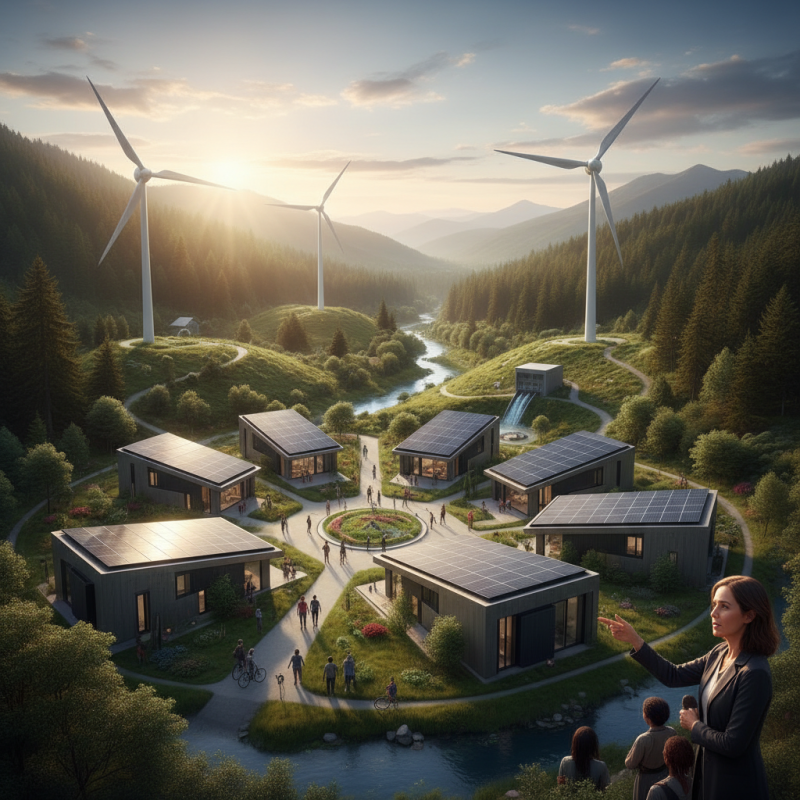
Sustainable energy is essential for creating a balance between human needs and environmental health. It refers to sources of energy that are renewable and have a minimal impact on the planet, such as solar, wind, and hydropower. Understanding these concepts is crucial, as they not only help mitigate climate change but also promote energy security and economic stability. The importance of sustainable energy can be reflected in its ability to reduce greenhouse gas emissions and dependency on fossil fuels, fostering a cleaner and healthier future for generations to come.
Tips for incorporating sustainable energy into your life include assessing your energy consumption and identifying areas where you can reduce waste. Simple actions like using energy-efficient appliances, installing solar panels, or utilizing smart thermostats can significantly decrease your carbon footprint. Additionally, consider exploring local renewable energy programs or initiatives, which can provide access to sustainable resources and often support community development.
Another important aspect is promoting awareness and education on sustainable energy practices. Engage with your community or workplace to share knowledge and advocate for energy-efficient policies. Encourage discussions around sustainable practices and how they can lead to broader acceptance and implementation of renewable energy solutions. By uniting efforts toward understanding and utilizing sustainable energy, we can collectively contribute to a more sustainable and resilient world.
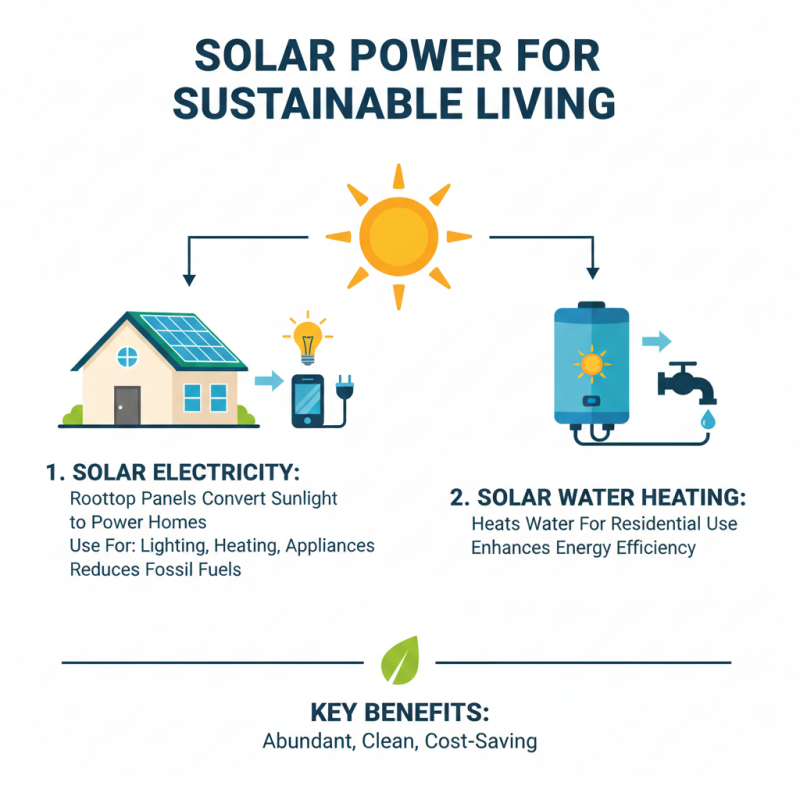
Identifying renewable energy sources for everyday use is crucial for fostering sustainable living. The sun is one of the most abundant and accessible sources of renewable energy. Solar panels can be installed on rooftops to harness sunlight, converting it into electricity to power homes and businesses. This energy can be used for lighting, heating, and powering appliances, significantly reducing reliance on fossil fuels. Additionally, solar water heaters can provide hot water for residential use, further enhancing energy efficiency.
Another vital renewable energy source is wind energy, which can be harnessed through small wind turbines for residential purposes. These turbines can generate electricity, especially in areas where wind is consistently available. Integrating wind energy into daily life not only lowers energy costs but also contributes to reducing greenhouse gas emissions. Other renewable options include biomass energy, which involves using organic materials for heating and electricity generation, and geothermal energy, derived from the earth’s internal heat. Through careful selection and integration of these renewable resources, individuals can effectively minimize their environmental impact while promoting a healthier planet.
Reducing energy consumption in daily life is essential for promoting sustainable living. By incorporating simple strategies into our routines, we can significantly lessen our ecological footprint. One effective approach is to increase awareness of energy use at home. This can be achieved by monitoring electricity bills and identifying areas where energy is consumed the most. For instance, turning off lights when leaving a room and unplugging devices that aren't in use can make a noticeable difference.
Tips: Start with small steps such as using energy-efficient LED bulbs, which consume less power and last longer than traditional incandescent bulbs. Additionally, consider utilizing natural light during the day by keeping curtains open, thereby reducing the need for artificial lighting.
Another strategy involves optimizing heating and cooling systems. Adjusting the thermostat a few degrees can lead to substantial energy savings. In winter, wearing warmer clothing at home can allow you to set the thermostat lower. During the hot months, using fans instead of air conditioning can keep living spaces comfortable without excessive energy use.
Tips: Regular maintenance of heating and cooling units is crucial for efficiency. Ensure that filters are replaced regularly and that ducts are sealed to prevent energy loss. Moreover, investing in smart thermostats can help regulate energy use efficiently based on your schedule, further promoting energy conservation in your daily life.
This chart displays various strategies for reducing energy consumption in daily life, highlighting the percentage effect of each strategy on overall energy usage.
Implementing energy-efficient technologies in homes and businesses is crucial for promoting sustainable living and reducing environmental impact. One of the most effective ways to achieve this is by investing in smart energy management systems. These systems can monitor energy usage in real-time, providing feedback that helps homeowners and business operators identify inefficiencies and adjust their consumption habits. Simple changes, such as using programmable thermostats or smart lighting solutions, can significantly lower energy costs while maintaining comfort and productivity.
Another aspect of energy-efficient technology is the incorporation of renewable energy sources. Installing solar panels or small wind turbines can empower both residential and commercial properties to generate their own energy. This not only decreases reliance on fossil fuels but also contributes to long-term savings. Additionally, energy-efficient appliances such as LED lighting, Energy Star-rated equipment, and high-efficiency HVAC systems can dramatically reduce energy consumption. By prioritizing these technologies, individuals and organizations can create a sustainable framework that benefits both the environment and the economy.
Community initiatives play a crucial role in promoting collaborative energy sustainability solutions. By bringing together local residents, businesses, and organizations, these initiatives create a platform for sharing ideas, resources, and energy solutions tailored to the specific needs of the community. One effective approach is the establishment of community solar projects, where participants can collectively invest in solar energy systems, thereby reducing costs and increasing access to renewable energy. This not only promotes sustainability but also fosters community spirit and cooperation among residents.
Tips: Engage with your neighbors and discuss the potential for establishing or joining a community energy project. Create a local group dedicated to identifying energy-saving practices and projects that cater to your area’s unique resources and needs. Forming partnerships with local government and organizations can also enhance the effectiveness and reach of your initiatives.
Furthermore, organizing energy workshops or seminars can serve as an educational tool for the community. These events provide valuable information about energy efficiency, renewable resources, and sustainability practices. By empowering individuals with knowledge, communities can work together to implement lifestyle changes that lead to long-term energy savings and reduced carbon footprints.
Tips: Consider hosting monthly meetings or workshops focusing on different energy topics, inviting local experts to share insights. This not only informs the community but also encourages participation and collaboration in energy sustainability efforts.