

Skip to content

How to Choose an Electric Trike for Commuting in 2026?

Choosing an Electric Trike For Commuting in 2026 requires more than comparing motor wattage and battery size. Your daily route matters more.

A narrow frame may slip through crowded bike lanes, while a wider cargo trike can feel steadier beside buses and parked cars. Measure your storage area before buying. A garage doorway can expose a serious mistake.

Chris Nolte, an electric-mobility specialist and longtime e-bike retailer, offers a practical view: “The best electric vehicle is the one that fits your real daily routine.” That principle deserves attention. A powerful motor cannot fix an uncomfortable seat, poor visibility, or awkward parking.

This guide will examine range, hill performance, braking systems, weather protection, cargo capacity, and rider comfort. It will also consider battery replacement, maintenance access, warranty support, and local service availability. These details often matter more than an impressive display screen.

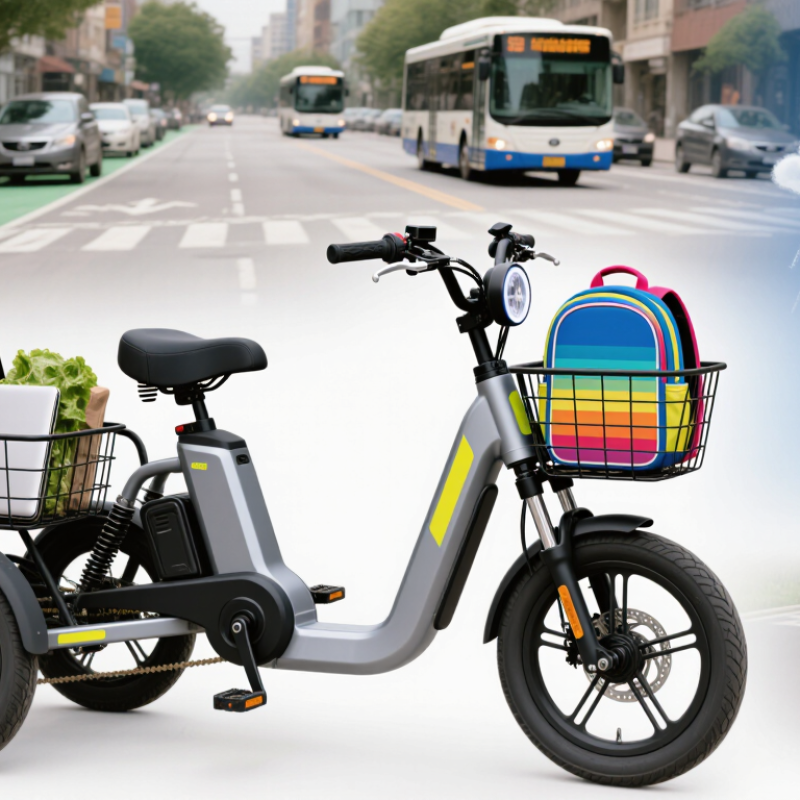
Look closely at the riding position. Can you see over parked vehicles? Can your feet reach the ground quickly? Does the rear basket remain stable when carrying groceries, a laptop, or a child’s schoolbag?

Manufacturers may advertise maximum range under ideal conditions. Cold weather, hills, heavy loads, and frequent stops reduce that figure. Real commuting is less tidy.

Some buyers also overlook turning space. A trike that feels stable on a showroom floor may need extra room at tight intersections. That weakness does not make it useless, but it deserves honest consideration.

The right choice should feel predictable, visible, serviceable, and comfortable after several miles. It should support your routine, not quietly complicate it.
How to Choose an Electric Trike for Commuting in 2026?

Define Your Daily Commuting Needs and Riding Conditions

Choosing an electric trike for commuting starts with your actual routine, not a showroom specification. The 2023 American Community Survey reports an average U.S. commute of about 26.7 minutes each way. Measure your route honestly. Include school stops, grocery loads, steep ramps, and elevator access. A short trip can still demand strong cargo capacity.

Record the route’s surface and weather. Smooth pavement feels very different from broken asphalt, gravel, or wet leaves. Note the steepest hill, narrowest lane, and busiest intersection. NACTO’s 2023 Shared Micromobility Report recorded 157 million trips in the United States and Canada, showing how often riders face mixed traffic and changing street conditions. Your route may be less friendly than it looks.

Check whether the trike fits your daily parking space. Measure doorways and storage corners. Consider the loaded width, turning circle, lighting, fenders, and braking feel. A heavier trike may feel stable but harder to move by hand. That trade-off matters. I once underestimated a small incline with a full load; the battery indicator looked reassuring, but the climb was not. Battery range also changes with rider weight, cold weather, hills, tire pressure, and frequent starts. Test the trike on your real route, preferably with the load you normally carry. Then question your first impression.

Compare Electric Trike Designs, Motors, Batteries, and Range

Choosing an electric trike for commuting in 2026 starts with the frame, not the display. A delta design, with two rear wheels, usually offers a broad, stable cargo platform. A tadpole design places two wheels in front and can feel more controlled during turns. I tested both layouts on narrow lanes and uneven pavement. The stable option was not always the easiest to park. That detail matters.

Motor choice should match hills, payload, and stop-and-go traffic. A 250–500 watt continuous motor can suit moderate urban routes, but ratings need careful reading. Some manufacturers advertise peak power, which may last only briefly. A torque sensor often delivers smoother assistance than a basic cadence sensor. It feels natural at junctions. However, calibration can be imperfect. Look for hydraulic or well-adjusted mechanical brakes, especially with a loaded rear basket. Battery capacity is measured in watt-hours: volts multiplied by amp-hours. A 600 Wh battery may cover 35–60 kilometers, depending on weight, wind, temperature, tire pressure, and assistance level. Real streets are rarely laboratory conditions.

For range, calculate a daily round trip, then leave a 25 percent reserve. Cold mornings and frequent hills can consume that margin quickly. Removable batteries help apartment commuters, but confirm their weight before lifting. A low step-through frame, adjustable handlebar, lights, reflectors, and weather-resistant wiring improve daily usability. Check the charger’s ventilation requirements and the battery’s protection features. I would also ride slowly through a tight corner before purchase. A test ride can expose steering wobble, awkward pedal reach, or a turning circle that looks fine on paper.

Check Stability, Comfort, Safety Features, and Rider Accessibility

Choosing an electric trike for commuting starts with stability, not motor size. FHWA’s 2022 National Household Travel Survey found that 52% of trips are three miles or shorter. That makes predictable handling more valuable than extreme range. Test it loaded. Add realistic commuting weight to the basket. Check whether the rear wheels stay calm during slow turns, curb crossings, and stops. A low seat and broad track help, but neither replaces controlled steering.

Comfort determines whether the trike leaves the garage. Choose an upright seat, adjustable handlebars, supportive pedals, and tires that absorb rough pavement. Ride for twenty minutes, not two. Notice wrist pressure, hip angle, and vibration through the seat. Suspension can help, yet poor adjustment may create bounce. This is where judgment gets messy. The smoothest ride may also feel less precise when cornering.

Safety needs visible, usable equipment. WHO’s Global Status Report on Road Safety 2023 records about 1.19 million annual road deaths. More than half involve vulnerable road users. Look for bright front and rear lighting, reflectors, strong brakes, a parking brake, and a clear bell. Visibility matters. Verify that controls remain reachable with gloves. A low step-through frame, stable stand, manageable weight, and reverse assistance can support older riders or people with limited strength. If mounting feels awkward in ordinary shoes, commuting will expose that flaw quickly. No checklist replaces practice in traffic.

Evaluate Cargo Capacity, Storage, Weather Protection, and Maintenance

How to Choose an Electric Trike for Commuting in 2026?

A useful commuter trike should carry your daily load without feeling unstable. Measure the cargo box, not just its advertised capacity. A laptop bag, groceries, rain gear, and a helmet can fill space quickly. Place heavier items low and near the center. This improves balance during turns. I would also check the maximum load rating, including the rider. My first estimate would probably be too optimistic.

Storage design matters during ordinary stops. Look for a lockable compartment or covered rear basket for small essentials. Open baskets are convenient, but they expose parcels to rain and curious hands. Check whether the storage lid remains accessible when the trike is parked beside a wall. Small details matter. Test the turning space near your home and workplace.

Weather protection should match your route, not your hopes. A roof, windshield, and side curtains can reduce discomfort during cold rain. However, enclosed panels may restrict airflow on warm days. Verify visibility through the windshield and inspect how water drains around the seat. Maintenance deserves equal attention. Ask how often the tires, brakes, chain, battery connections, and fasteners need inspection. Choose parts that local repair shops can service. A complicated design may look impressive, yet delayed repairs can disrupt commuting. Keep a written maintenance record, even if some entries feel unnecessary.

How to Choose an Electric Trike for Commuting in 2026? - Evaluate Cargo Capacity, Storage, Weather Protection, and Maintenance

Typical specifications and practical commuting considerations by electric-trike configuration
Configuration Typical Total Payload
(Rider + Cargo)
Useful Cargo Capacity Built-In Storage Weather Protection Typical Maintenance Needs Best Commuting Use Practical Rating
Compact Rear-Cargo Trike 120–180 kg 40–80 kg on a rear rack, deck, or basket 20–60 L of covered or lockable storage, depending on the cargo box Usually limited to fenders and a front rain cover; rider remains mostly exposed Check tire pressure weekly; inspect brakes and fasteners monthly; lubricate the chain every 150–300 km or after wet rides Daily commuting with a backpack, groceries, or work equipment Balanced
Long-Tail Utility Trike 150–220 kg 50–100 kg across an extended rear deck or side panniers 40–100 L using panniers, side boxes, or a top box Good splash protection with full-length fenders; optional canopy commonly available Inspect rear-wheel alignment and load-bearing hardware regularly; replace brake pads more frequently under heavy loads Long commutes, larger shopping trips, and carrying tools High Capacity
Front-Loader Cargo Trike 180–250 kg 80–150 kg in a low front cargo box 150–300 L cargo box volume; lockable covers are often available Excellent cargo coverage with a fitted box canopy; rider protection varies by design Monitor steering linkage, box mounting points, front tires, and brake balance; wheel alignment is important after impacts Bulk groceries, parcels, equipment, and family transport Maximum Cargo
Enclosed Cabin Trike 150–220 kg 30–80 kg in a rear compartment or internal cargo area 50–120 L, often protected from rain and road spray Best protection from rain, wind, and cold; ventilation and visibility should be checked before purchase Clean windows and seals; inspect doors, ventilation, wiper systems if fitted, brakes, tires, and electrical connectors All-season commuting in wet, windy, or cold climates Weather Ready
Folding Commuter Trike 100–160 kg 20–50 kg on a compact rack or detachable bag system 15–45 L of removable storage Normally limited to fenders and optional covers; folding joints should not be left exposed to standing water Check folding hinges, locking mechanisms, cables, and rack attachments frequently; keep the battery dry and charge indoors Multimodal travel, apartments, offices, and limited storage spaces Space Saving
Heavy-Duty Commercial Trike 220–350 kg 100–250 kg in a reinforced box, platform, or trailer system 200–600 L, depending on the cargo body or trailer Optional hard or soft covers provide good cargo protection; rider protection is usually limited Requires scheduled inspections of brakes, spokes, tires, steering, frame joints, drivetrain, and load-rated fasteners High-mileage delivery routes and regular heavy hauling Work Focused
How to use this table: Confirm the manufacturer’s stated maximum system weight before purchase. The payload figure should include the rider, clothing, battery, accessories, cargo, and any trailer load. Actual range, braking performance, storage volume, and maintenance intervals vary with terrain, weather, tire pressure, load distribution, riding speed, and service quality. For dependable commuting, prioritize hydraulic or well-adjusted mechanical disc brakes, full-length fenders, weather-resistant electrical connectors, a removable battery, commonly available tire sizes, and locally serviceable components.

Set a Budget and Test the Best Trike Before Buying

Before shopping, set a realistic budget for the complete commuting setup. Include the trike, charger, lock, lights, helmet, and possible maintenance. A lower purchase price may bring weaker brakes, limited range, or uncomfortable seating. It may still be the right choice for short, flat trips. Know your route.

Test the best trike before paying. A proper ride should include tight corners, gentle hills, rough pavement, and several stops. Check whether the steering feels stable when starting and turning slowly. Squeeze the brakes with two fingers. They should respond smoothly, without sudden grabbing. Listen for rattles. Small noises can reveal loose parts.

Measure the seat height and handlebar position during the trial. Your knees should stay slightly bent, and your shoulders should remain relaxed. Test the battery display in daylight. I once focused so much on motor power that I ignored a hard-to-reach control. That mistake would have become irritating every morning. Ask how often the tires, brake pads, chain, and battery need attention. Also confirm that the charger fits your storage space and electrical setup. Leave some budget for repairs, because real commuting is rarely as gentle as a showroom ride.