China Top 10 Solar Energy Companies for Electrical Engineers?
China’s solar industry spans photovoltaic modules, cells, inverters, and complete energy systems. For electrical engineers, choosing a company means looking beyond headline capacity or low prices. A module’s efficiency matters, but so do inverter compatibility, temperature performance, degradation rates, and the quality of technical documentation. Details matter.
IEA Executive Director Fatih Birol has described solar as “the new king of electricity markets,” highlighting its growing place in power generation. That shift makes supplier comparisons increasingly important. This guide introduces ten Chinese solar energy companies and considers their products through an engineering lens: manufacturing scale, product range, project experience, and support for system integration. Company strengths can differ sharply. One may offer a broad module portfolio, while another focuses on inverters or storage. A familiar brand name alone proves little.
Engineers should also examine current datasheets, warranty terms, independent test results, and regional service availability. Manufacturing capacity can change, and published specifications do not guarantee identical performance in every installation. No ranking can capture every local constraint. That is worth remembering. Even a strong datasheet can leave practical questions unanswered, such as how quickly replacement parts arrive or how clearly a supplier handles technical issues. The comparisons ahead are intended as a starting point, not a substitute for project-specific due diligence. For professionals exploring electrical engineering solar energy, the most useful choice is the one that fits the design, site conditions, and long-term maintenance plan.
Overview of China’s Solar Energy Industry
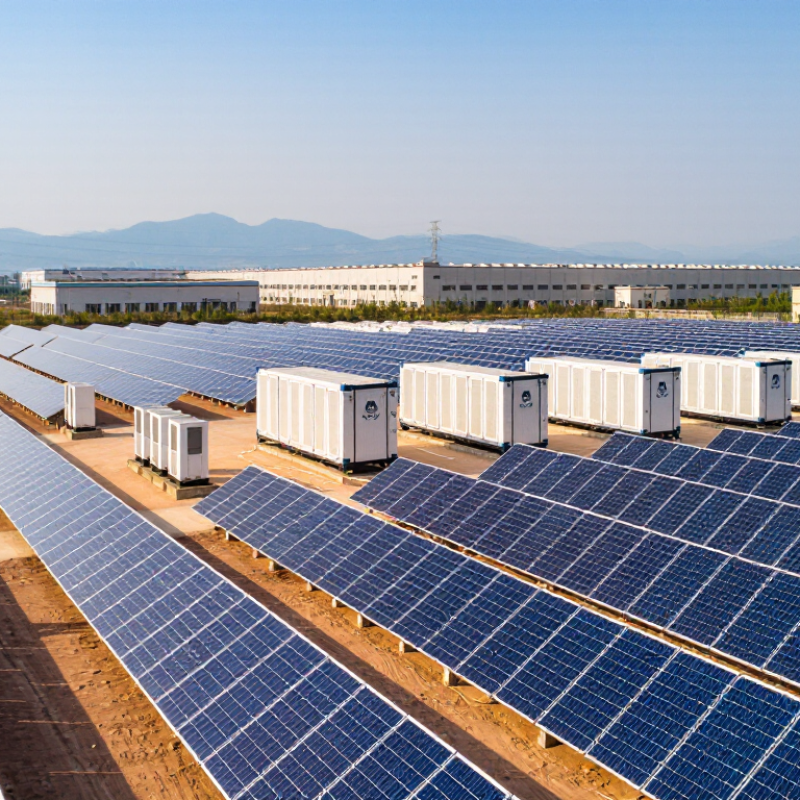
China’s solar energy industry spans cell manufacturing, module assembly, project development, and grid connection.
The country is a major producer and installer of photovoltaic equipment, supported by extensive industrial supply chains. These include silicon processing, glass, inverters, cables, and mounting structures. At a manufacturing site, engineers may inspect cell output under controlled light, then check module temperature and electrical performance. Small defects matter. A weak solder joint can reduce reliability over time.
For electrical engineers, the industry is not just about panels. System design must account for changing sunlight, cable losses, inverter limits, and local grid conditions. Large projects often combine photovoltaic arrays with monitoring systems and, in some cases, battery storage. Grid connection requirements can differ by project, so specifications need careful review. Manufacturing scale can lower costs, but it does not guarantee consistent field performance. Dust, heat, shading, and maintenance access still affect energy yield. I would be cautious about comparing suppliers using price alone; test methods and warranty terms may not be directly comparable. Even detailed project data can leave practical questions unanswered, especially about long-term degradation in local conditions.
Criteria for Selecting the Top 10 Solar Companies
For a credible China top 10 solar-company shortlist, electrical engineers should assess more than production scale.
The IEA PVPS Trends in Photovoltaic Applications 2024 report estimates that China added 216.9 GW of solar capacity in 2023, reaching about 609 GW cumulatively. That growth makes supplier comparisons harder, not easier. Verify module test records against IEC 61215 and IEC 61730, then examine inverter grid-support functions, protection coordination, and performance under heat. Ask for documented degradation rates, warranty exclusions, and traceable component records. Easy to miss.
Manufacturing capacity matters, but it does not prove consistent quality. Review independent factory audits, defect-control procedures, and the availability of local technical support. For project evaluation, compare temperature coefficients and low-light performance using test conditions that reflect the site, not just ideal laboratory figures. Check whether the company can provide fault-response timelines and replacement parts during the operating period. The IEA PVPS capacity figures describe market expansion, not reliability; engineers should treat them as context rather than a quality score. No scorecard is perfect, and a strong factory audit cannot predict every field failure. When evidence is incomplete, record the gap instead of assuming the supplier will resolve it.
Profiles of China’s Top 10 Solar Energy Companies
China’s “top ten” solar companies are difficult to rank without a clear measure: manufacturing scale, efficiency, project delivery, and long-term service can produce different lists. The National Energy Administration reported 216.88 GW of newly installed photovoltaic capacity in China in 2023, lifting cumulative capacity to 609.49 GW. Numbers need context. IRENA’s Renewable Capacity Statistics 2024 recorded 346 GW of global solar capacity additions that year, showing how quickly the market is expanding.
A useful ten-profile lens follows the work each company performs. Polysilicon producers manage purity and energy use; wafer makers control thickness and breakage; cell manufacturers target conversion efficiency; module assemblers test durability; integrated producers coordinate costs across several stages.
Inverter suppliers manage power conversion and grid response; storage integrators balance generation after sunset; utility-scale developers handle site design and commissioning; rooftop specialists work around shade and building loads; operations teams monitor faults, cleaning, and output decline.
These profiles reveal different engineering strengths, but they are not a verified company ranking. A high-efficiency module rating alone cannot show how a system performs through dust, heat, or cloudy seasons.
Key Technologies and Engineering Applications
Electrical engineers assessing China’s solar industry should compare engineering capabilities, not just advertised module output.
Cell architecture, wafer quality, and temperature coefficients affect energy yield under real operating conditions. Bifacial modules can capture reflected light, but their gains depend on ground reflectivity, mounting height, and row spacing.
Small design choices matter.
Inverters translate changing direct-current output into grid-compatible power. Engineers should examine maximum power point tracking, voltage windows, harmonic performance, and monitoring data. On a rooftop, shading from a vent or parapet can reduce output across a string; layout and suitable electronics help limit losses. For utility-scale plants, trackers may improve production, though wind exposure and maintenance access need careful review. Storage adds another layer: battery controls, thermal management, and degradation assumptions shape usable capacity.
A neat specification sheet is not enough.
Commissioning should verify insulation resistance, grounding, protection settings, and measured output against expected conditions. Ask for test records and clear warranty terms.
There is no universally best configuration.
Even a carefully modeled system can miss local dust, heat, or grid constraints, so field data deserves real weight.
Career Opportunities for Electrical Engineers in Solar Energy
China’s solar industry offers electrical engineers work across cell production, inverters, grid connections, and energy storage. Career paths range from factory process engineering to field commissioning.
The work is practical.
A commissioning engineer may check voltage readings, inspect cable connections, and compare system output with design estimates under changing weather.
Engineers entering this field benefit from power systems knowledge, circuit analysis, and familiarity with measurement tools. Data skills also matter: teams use performance logs to identify faults and spot gradual efficiency losses. Safety procedures and clear technical documentation are essential, especially when equipment is installed across large sites. Local hiring requirements vary, so candidates should verify the qualifications expected for each role.
A neat simulation can still miss a loose connector or a dusty panel. Real operating conditions are messier. That gap makes site visits valuable, even for engineers focused on design.
Early-career workers can build experience through testing, maintenance planning, or quality control before moving into system design or project leadership. Not every role is glamorous; repetitive checks are part of the job. They also reveal how small errors affect reliability, a lesson worth taking seriously.