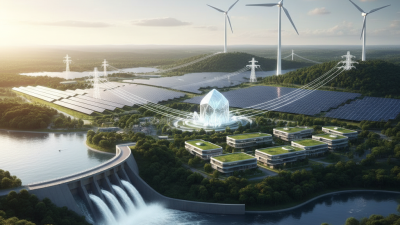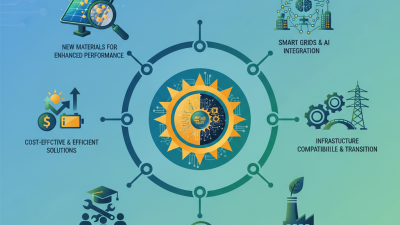

Choosing the right energy solutions is crucial for our future. With growing concerns about climate change, the alternative energy sources have gained immense popularity. They offer a sustainable path to reducing our carbon footprint and reliance on fossil fuels.
However, selecting the best option can be tricky. Various choices exist, including solar, wind, and hydro power. Each comes with its own benefits and challenges. Understanding your energy needs is a vital first step. Homeowners often overlook their specific requirements, leading to poor decisions. For instance, a location's climate can greatly influence solar energy effectiveness.
It's also essential to consider initial costs versus long-term savings. Many may feel overwhelmed by the upfront investment of some alternative energy systems. Yet, the savings on utility bills over time can be substantial. Be cautious, though; rushing into a decision without research can lead to regret. Clear your doubts by exploring different alternatives carefully. This approach can lead you to a more informed and effective choice for a sustainable energy future.

When exploring alternative energy solutions, it’s crucial to understand their different types.
Solar energy is popular. It harnesses sunlight to generate electricity.
Solar panels can be installed on rooftops or in open areas. They are a visible sign of eco-friendliness. However, they require significant space and may not be feasible everywhere.
Wind energy is another alternative worth considering.
Wind turbines convert wind into electricity. These can be installed on land or offshore. While wind energy is clean, it relies on consistent wind patterns. Also, the sound and visual impact of turbines can be a concern for some communities.
Biomass energy is derived from organic materials. This includes wood, agricultural crops, and waste. It’s a renewable resource and can reduce landfill waste. Yet, the process of burning biomass releases carbon dioxide. This raises questions about its overall sustainability.
Understanding these nuances helps in making informed decisions. Each solution has its advantages and challenges.
When exploring alternative energy solutions, it's essential to assess your energy needs and goals. Start by evaluating your current energy consumption. Look at your utility bills and track your usage patterns. This will give you a clearer picture of how much energy you need. Don't forget to consider future changes, like adding new appliances or expanding your home.
Tips for choosing the right solution include understanding the different types of energy sources available.
Solar, wind, and geothermal are popular choices. Each has its advantages and limitations. You might want to measure your rooftop for solar panels. Is your area suitable for wind energy? These practical insights can guide your decision.
It's important to remain flexible. Your initial assessment may highlight certain needs that change over time. What worked before may not fit your evolving goals. Be open to revisiting your choices as technology and circumstances shift. Sometimes, energy efficiency upgrades might even be more effective than new energy solutions. Consider how small changes can lead to significant savings. Reflect on your long-term vision while staying adaptable.
Evaluating the cost-effectiveness of energy options is crucial. It involves analyzing upfront costs and long-term savings. Renewable energy solutions can save money over time. However, initial investment can be high, which makes careful consideration necessary.
When assessing different energy sources, consider installation costs, maintenance, and potential rebates. If an option seems cheap initially, it may lead to higher costs later. For example, solar panels have a significant upfront cost, yet they often pay off in the long run. Compare life expectancy and efficiency as well. Some systems may look appealing but can underperform.
Tips for choosing wisely include conducting detailed research. Calculate your energy needs accurately. Talk to experts about costs and benefits. Engage with your community for insights. Don't rush your decision; reflect on the best long-term impact. Balancing cost and sustainable energy can be challenging, but patience can lead to better choices. Think about how your decisions affect the environment too.
This chart compares the cost-effectiveness of various alternative energy solutions based on a calculated cost per megawatt-hour (MWh) generated. The data reflects average costs observed across different regions.
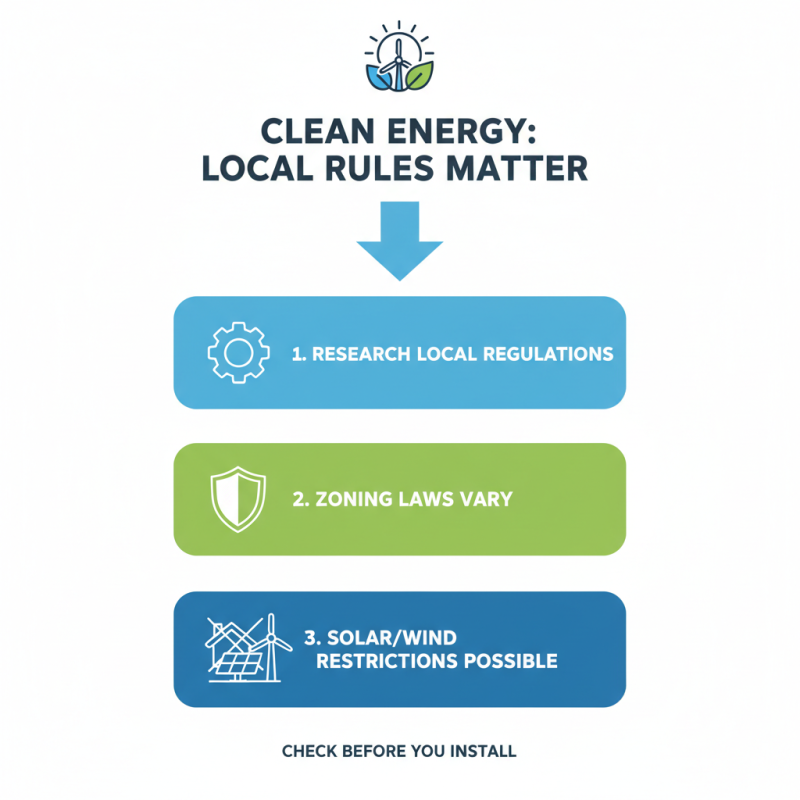
When considering alternative energy solutions, understanding local regulations is crucial. Different regions have varying laws that influence energy options. Check local zoning laws before making decisions. Some areas have restrictions on solar panel installations or wind turbines.
Researching available incentives can significantly lower costs. Many local governments offer tax credits or rebates for using renewable energy sources. This can make a substantial difference in the overall expense. Look for programs that support community solar initiatives or energy efficiency upgrades.
Tips to keep in mind include consulting with local experts. They can help navigate complex regulations and identify potential pitfalls. Regularly review policy changes, as they can affect your choices. Engaging with local energy forums may provide valuable insights. Consider the long-term impact of your energy choice on the environment and community. It’s important to reflect on what sustainability really means for you.
Choosing sustainable technologies for long-term benefits requires careful consideration. Many reports suggest that renewable energy sources can reduce carbon emissions by up to 70%. Solar, wind, and hydroelectric power are leading options. They are becoming more affordable and accessible for homes and businesses alike.
When evaluating your choices, consider the local environment and available resources. Solar panels are excellent in sunny areas, while wind turbines thrive in open spaces. Not all regions support every technology equally. Conduct thorough research on your local conditions.
**Tip:** Look into incentives from local governments. Many areas offer tax credits or subsidies for adopting alternative energy solutions. These financial benefits can significantly reduce initial costs.
Performance and maintenance should also guide your decision. Some technologies may require more upkeep than others. Not all solutions have long lifespans; some may need upgrades or repairs sooner than expected. Understand the long-term implications of your choice. This approach can influence your energy savings over the years.
| Energy Source | Cost (per kWh) | Environmental Impact | Installation Time | Lifespan |
|---|---|---|---|---|
| Solar Power | $0.07 - $0.13 | Low | 1-3 months | 25 years |
| Wind Power | $0.01 - $0.02 | Moderate | 6-12 months | 20-25 years |
| Geothermal Energy | $0.05 - $0.10 | Very Low | 2-3 months | 30-50 years |
| Hydropower | $0.03 - $0.05 | Moderate | 12-24 months | 50-100 years |
| Biomass | $0.04 - $0.07 | Moderate | 4-8 months | 20-30 years |