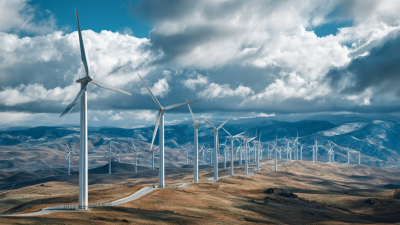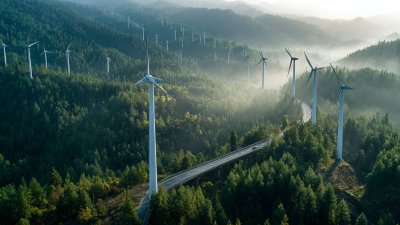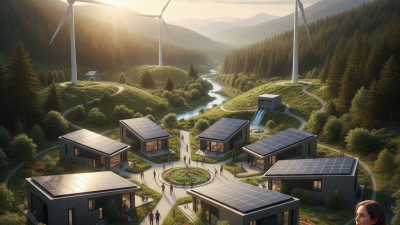

The world is increasingly turning to renewable sources for its energy needs. Among these, wind energy stands out as a promising contender. Innovations in wind energy technology are evolving rapidly. In 2026, we expect to see several groundbreaking advancements. These improvements could reshape the landscape of sustainable power generation.
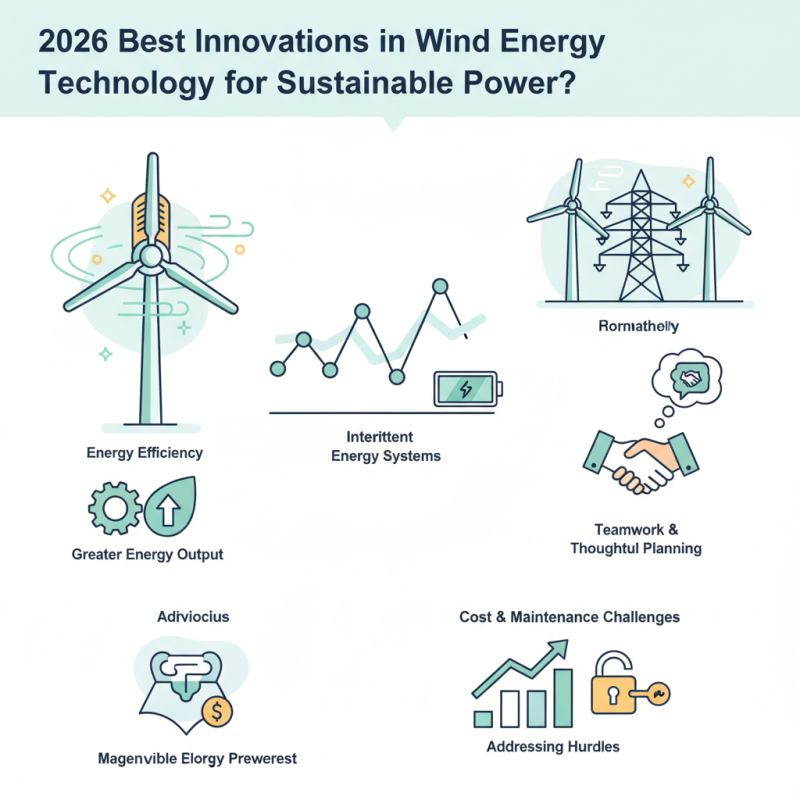
Innovative designs are emerging to enhance energy efficiency. New turbine technologies promise greater energy output with less environmental impact. For instance, vertical-axis wind turbines are gaining traction. These designs occupy less space and can harness wind from any direction. However, challenges remain. Cost and maintenance still pose significant barriers to widespread adoption.
Moreover, integrating wind energy into existing power grids can be complex. Intermittent energy production makes it essential to have reliable backup systems. As we explore the best innovations in wind energy technology, it's crucial to recognize these hurdles. They remind us that progress often requires teamwork and thoughtful planning. Addressing these issues will be essential for a sustainable energy future.
The wind energy sector is witnessing remarkable advancements. Innovative wind turbine designs are pivotal for enhancing efficiency. According to recent industry reports, modern turbines can convert over 50% of wind energy into electricity. This is a significant improvement compared to earlier models.
One notable trend is the increase in rotor size. Larger rotors capture more wind, leading to greater energy generation. Data shows that turbines with rotor diameters exceeding 150 meters can produce up to 10 megawatts of power. This efficiency is crucial for meeting future energy demands in a sustainable way.
Tips for optimizing wind turbine performance include regular maintenance checks. This ensures that any issues are identified early. Additionally, location matters. Placing turbines in areas with consistent wind patterns maximizes energy production. It’s vital to consider local weather patterns and geographical features when planning turbine installations. These strategies can help maximize the benefits of innovations in wind technology.
This chart shows the advancements in wind turbine efficiency over the years, highlighting the innovative designs and their impact on energy output.
Wind energy technology is evolving rapidly. Emerging materials are shaping the future of sustainable power. Lightweight composites are now replacing traditional materials. These composites enhance turbine performance and durability. They can withstand harsh weather conditions. Their ability to reduce weight increases efficiency.
Innovations in blade design play a significant role too. New aerodynamic shapes improve energy capture. Manufacturing processes are becoming more efficient, cutting down production time. However, challenges remain. Recycling these advanced materials is complex. The environmental impact of production needs careful assessment.
Energy storage solutions are also critical. Integrating wind energy with battery systems helps balance supply and demand. Yet, storage technology is still developing. Costs remain high, and energy loss during storage is a concern. The journey towards a sustainable future in wind energy is ongoing. Many questions still need answers.
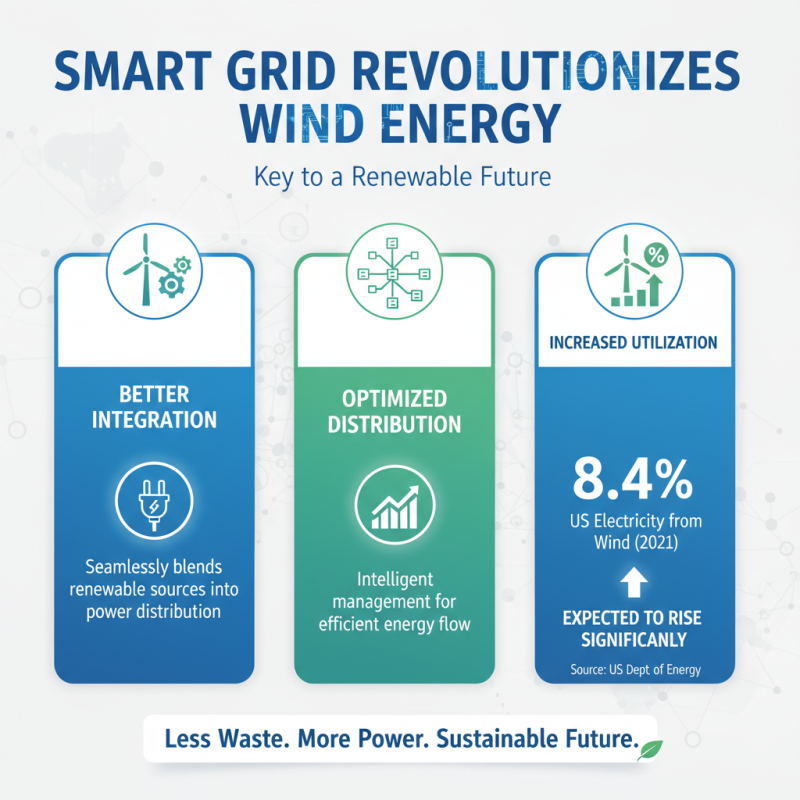
Smart grid technology is transforming wind energy utilization. By improving energy distribution, the smart grid allows for better integration of renewable sources. According to the U.S. Department of Energy, wind energy's share of electricity generation reached 8.4% in 2021. This figure is expected to rise significantly with advancements in smart grid systems.
The integration of smart grids improves reliability. It helps manage energy loads effectively, even during peak demand times. However, challenges remain. Inconsistent wind patterns can still cause fluctuations in energy supply. A report by the International Energy Agency noted that grid instability can lead to energy wastage. This issue must be addressed to maximize wind energy benefits.
Moreover, smart grids allow for real-time data exchange. This data enables predictive analytics for better energy management. Yet, cybersecurity risks pose a significant threat. Protecting data and ensuring a stable energy supply are crucial. Continuous improvements in smart grid technology are needed to harness the full potential of wind energy for sustainable power.
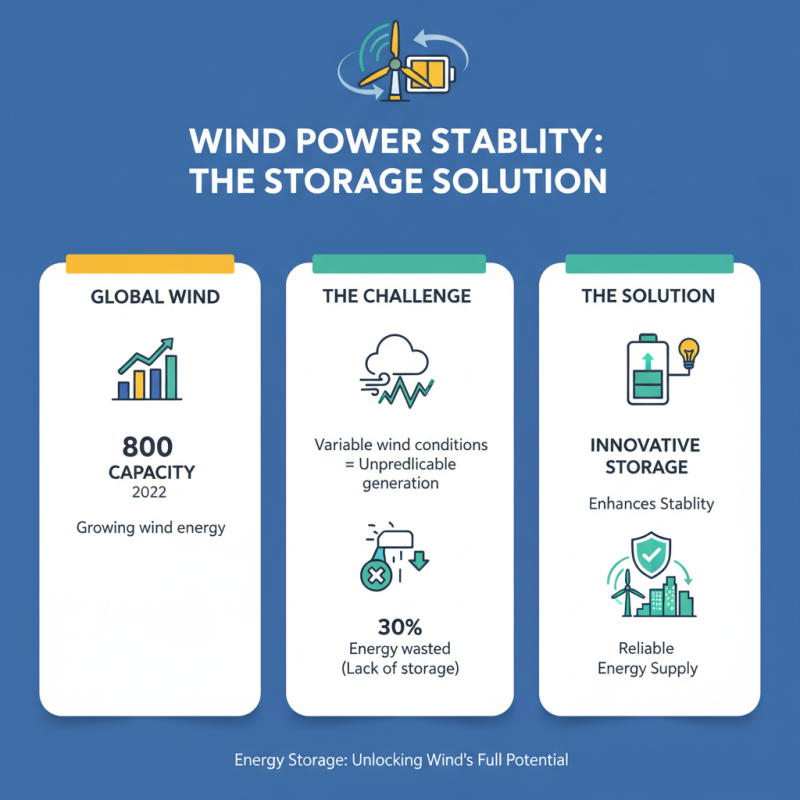
Innovative energy storage solutions are crucial for enhancing wind power stability. As the global wind energy capacity reached 800 GW in 2022, the need for reliable storage systems became evident. Many regions experience variable wind conditions, leading to unpredictable energy generation. Inadequate storage options can result in significant energy waste, with approximately 30% of produced wind energy going unused.
Battery technology is evolving to address these issues. For example, lithium-ion batteries are becoming more efficient. However, they still struggle with longevity and recycling challenges. Emerging technologies, like flow batteries, show promise. They could provide longer durations of energy storage, potentially lasting up to 12 hours. Yet, their high upfront costs and lower energy density pose concerns.
Another emerging solution is pumped hydro storage. This method leverages gravitational energy and can store large quantities of electricity. However, its geographical limitations restrict widespread deployment. Additionally, the environmental impact of hydro projects requires careful consideration. Overall, while innovations are promising, the sector must address these complexities to realize a sustainable future for wind energy.
Artificial Intelligence (AI) is revolutionizing wind farm optimization. By analyzing vast amounts of data, AI can predict wind patterns with remarkable accuracy. This means more efficient power generation. Data-driven insights help in turbine placement and maintenance scheduling. Maintaining equipment can be costly and time-consuming, but AI can streamline these processes.
However, there are challenges. The integration of AI requires substantial upfront investment. Not all companies may have the resources or expertise to implement these technologies effectively. Additionally, reliance on AI can lead to overconfidence. If the systems fail or produce errors, it could disrupt power output. There’s also the question of data privacy and security. Protecting sensitive information should be a priority.
Moreover, while AI can offer solutions, the tech isn’t infallible. Continuous monitoring and human oversight are essential. Misinterpretation of data can happen. It's crucial to keep human judgment in the loop. Balancing technology and human intuition is key to optimizing wind energy effectively. Progress requires careful consideration of both benefits and pitfalls in using AI.
| Innovation | Description | Benefits | AI Role |
|---|---|---|---|
| Smart Turbine Control Systems | Advanced control systems utilizing AI for optimizing turbine performance based on real-time data. | Increased energy output and reduced operational costs. | AI manages torque and blade pitch for optimal wind capture. |
| Predictive Maintenance Solutions | AI-driven analytics predicting turbine failures before they occur through sensor data. | Minimized downtime and maintenance costs. | AI algorithms analyze wear patterns and suggest maintenance schedules. |
| Energy Forecasting Models | Utilizing machine learning for accurate wind energy production forecasts. | Improved grid stability and resource management. | AI models analyze historical weather data to predict output. |
| Advanced Sensing Technologies | New sensor technologies integrated with AI for enhanced wind assessment. | Better wind resource mapping and site selection. | AI processes data from multiple sensors to optimize site evaluation. |
| AI-driven Energy Management Systems | Intelligent systems for real-time energy distribution based on demand and supply forecasts. | Maximized efficiency in energy distribution and integration with other sources. | AI analyzes market conditions and demand to optimize energy dispatch. |