
In the quest for a sustainable future, understanding energy and sources of energy is crucial. Dr. Lisa Turner, a renowned expert in renewable energy, once stated, "The transition to sustainable energy sources is not just necessary; it’s inevitable." This sentiment echoes widely today as the world grapples with climate change and resource depletion.
Various sources of energy exist, each with distinct benefits and challenges. Solar energy harnesses sunlight, offering an abundance of potential. Wind energy, on the other hand, captures natural breezes, yet it requires significant infrastructure. These options spark debates about their efficiency. Moreover, fossil fuels still dominate many regions, reflecting resistance to change. This reliance complicates the path to sustainability.
Diversity in energy sources presents both an opportunity and a dilemma. While innovations emerge, gaps in technology and policy can hinder progress. Key investments are essential, yet the choices we make today will shape tomorrow’s energy landscape. Balancing immediate needs with long-term goals remains a pressing challenge. Exploring these ideas can lead us to a more sustainable energy future.
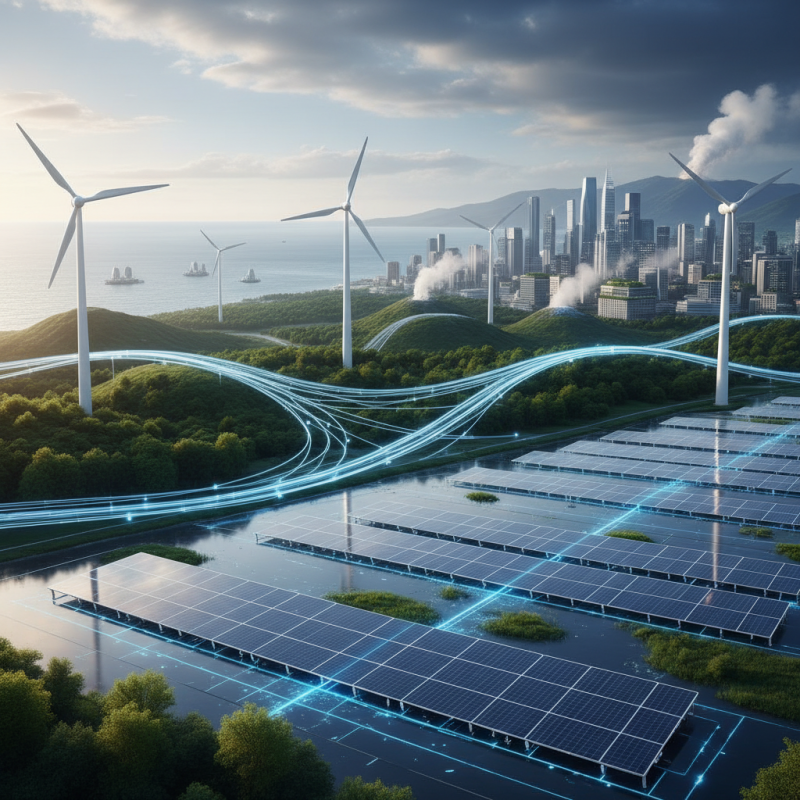
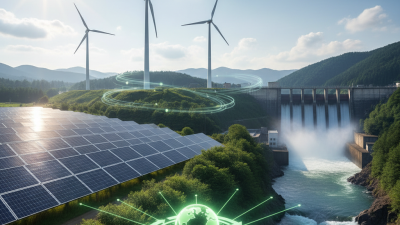
Renewable energy sources are vital for a sustainable future. These options include
solar, wind, hydro, and geothermal power. Each source offers unique advantages and limitations.
Solar energy harnesses sunlight through panels. It’s clean, but energy storage remains a challenge.
Wind energy captures the power of moving air. While efficient, wind farms can impact local wildlife.
Hydropower generates electricity using flowing water. Dams can disrupt ecosystems, raising concerns about fish populations.
Geothermal energy utilizes heat from the Earth’s core. It’s reliable, yet location-specific. The need for improvement is evident.
Many renewable technologies are still developing. Costs can be high. Power generation is not constant. This inconsistency needs addressing for broader acceptance.
Global investment in renewable energy is growing. However, there are still hurdles.
Infrastructure upgrades are necessary. Social acceptance varies from place to place.
Community engagement is essential for progress. This transition demands continuous effort and innovation.
There’s potential for a cleaner future, but it requires thoughtful planning.
Solar energy is a vital player in the quest for clean, sustainable power. Harnessing the sun's energy could reduce global carbon emissions significantly. According to the International Energy Agency, solar power could contribute up to 27% of global electricity needs by 2050. This potential is immense, but it's not without challenges.
Firstly, solar energy production depends on sunlight, which varies by region and weather. Some areas receive abundant sunlight, while others do not. This variability poses questions about energy distribution. Storage solutions, like batteries, are still expensive and can limit efficiency. The current technology needs improvement to make solar energy accessible to all.
Moreover, the production of solar panels involves resource extraction. Rare materials must be mined, which can lead to environmental degradation. While solar energy is cleaner during use, its full lifecycle requires careful assessment. Moving forward, addressing these challenges will be crucial. Investing in better technology and sustainable practices can enhance solar energy's role in a cleaner future.
Wind energy is becoming a key player in the pursuit of sustainable electricity.
The turbines dotting landscapes harness powerful gusts to generate electricity. These towering structures capture kinetic energy from the wind and convert it into usable power.
They can be installed onshore or offshore, depending on geographical advantages.
Despite its benefits, wind energy has challenges.
The inconsistency of wind can lead to fluctuations in power generation. Maintenance of turbines can be costly and complex.
There are also concerns about their impact on local wildlife. Birds and bats sometimes fall victim to turbine blades.
Balancing these issues requires ongoing research and innovation.
Communities are increasingly adopting wind power. Some regions witness reduced greenhouse gas emissions thanks to wind farms.
Still, public acceptance varies. Some residents worry about the visual impact or noise.
Engaging with local communities is vital for successful integration.
The future of wind energy calls for collaboration, education, and reflection on both its potential and its drawbacks.
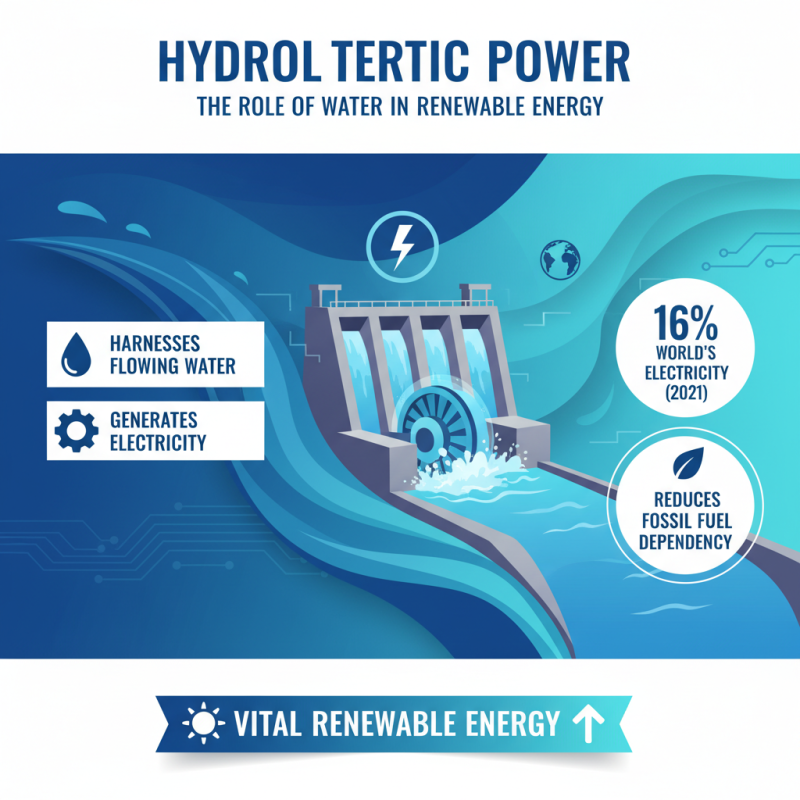
Hydroelectric power is a vital component of renewable energy. It harnesses the energy of flowing water to generate electricity. As of 2021, hydroelectric power contributed to about 16% of the world's electricity generation. This highlights its importance in reducing fossil fuel dependency.
Water is a powerful resource, yet it is not without challenges. Droughts can significantly impact hydroelectric production. In regions relying heavily on this energy type, water scarcity poses serious risks. It's crucial to balance water use between energy production and ecological needs.
**Tips:** Consider local water resources when planning hydro plants. Engage communities in decisions. Pumped-storage systems can enhance efficiency, using excess energy during low-demand periods to pump water back uphill. Developing hydroelectric power must be sustainable and considerate of environmental impacts.
Emerging technologies are reshaping the landscape of clean energy. Innovations like solar energy advancements have improved efficiency by up to 23% in recent years. According to the International Energy Agency (IEA), renewable energy sources are projected to provide 80% of the world’s energy needs by 2050. This is a significant leap from current levels.
Wind energy is also gaining traction. Among new energy projects, wind turbine technology has expanded. Turbines are now more powerful, capable of producing up to 10 MW each. Reports indicate that offshore wind farms are vital for achieving zero emissions. Yet, challenges remain. The manufacturing of materials needed for turbines can have a larger carbon footprint than expected.
Battery storage technology is essential for renewable energy integration. However, the supply chain for lithium and cobalt is often problematic. Environmental and ethical concerns arise from mining practices. The transition to clean energy must address these issues to be truly sustainable. The complexities involved are often underestimated, stressing the need for a balanced approach.