What is Alternative Energy and How Does it Impact Our Future?
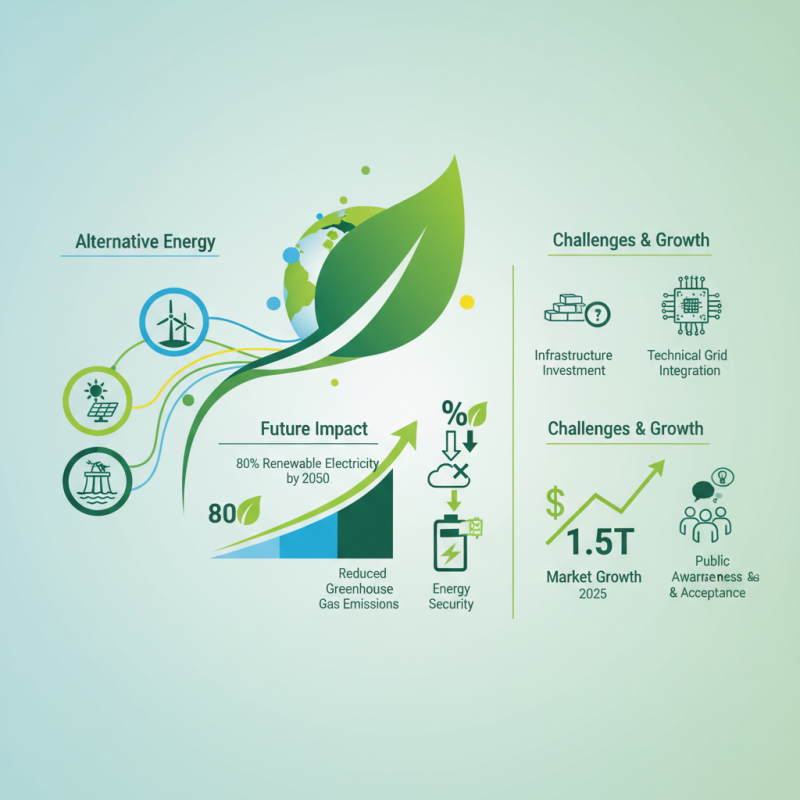
Alternative energy is reshaping our world, promising a sustainable future. According to the International Energy Agency (IEA), renewable energy sources could account for 80% of global electricity by 2050. This shift could significantly reduce greenhouse gas emissions, combating climate change effectively. With fossil fuel depletion, alternative energy is becoming imperative for energy security and economic stability.
As we embrace technologies like solar, wind, and hydropower, challenges remain. Investment in infrastructure is essential, yet many regions lack the necessary resources. Furthermore, the integration of these energies into existing power grids poses technical difficulties. Despite these hurdles, the global market for alternative energy is projected to grow to $1.5 trillion by 2025, reflecting its rising importance.
Public awareness and acceptance of alternative energy are crucial. A 2022 survey indicated that 72% of Americans support expanding renewable energy initiatives. Nevertheless, misconceptions about reliability and efficiency persist. Addressing these concerns is vital to foster a cleaner, greener future. The journey towards fully embracing alternative energy will require collaboration, innovation, and ongoing education.
Definition and Types of Alternative Energy Sources
Alternative energy refers to renewable energy sources that provide sustainable electricity. Unlike fossil fuels, alternative energy sources minimize environmental harm. The primary types include solar, wind, hydroelectric, and biomass energy. According to the International Energy Agency (IEA), renewable sources accounted for nearly 30% of global electricity generation in 2021, a significant increase from previous years.
Solar energy harnesses the sun's power through photovoltaic cells. The U.S. National Renewable Energy Laboratory reports a 20% average efficiency in solar panels. Wind energy uses turbines, creating about 7% of the world's energy supply. The USA alone has seen a 16% increase in wind energy capacity in a year. Hydroelectric power utilizes flowing water. It contributes approximately 16% of global energy, showcasing its reliability.
Tip: Explore local renewable energy initiatives. Community solar programs often provide access to solar power without upfront costs. Even small steps matter. Additional actions, such as reducing consumption and using energy-efficient appliances, can enhance overall sustainability. Energy conservation is essential in the transition to a greener future. It’s crucial to reflect on personal energy habits as well.
The Role of Alternative Energy in Reducing Carbon Emissions
Alternative energy plays a crucial role in combating
climate change. It directly affects carbon
emissions, which are paramount in global warming. Renewable sources, such as
solar and wind, produce little to no emissions. This is vital in reducing the carbon footprint of industries
and households.
Transitioning to alternative energy is not without challenges. Current
infrastructure often relies heavily on fossil fuels. Overhauling systems can take time and investment. Not everyone
is convinced about the reliability of renewables. Weather conditions can affect energy production. Hence, we need
better energy storage solutions to address this concern.
Despite these obstacles, the potential benefits are significant. Many studies suggest that increasing alternative
energy could cut emissions by up to 70%. This could mean a
healthier planet for future generations. Fostering innovation
and collaboration among experts is crucial. Renewable energy, if embraced wisely, can redefine our energy landscape.
Comparative Analysis: Alternative Energy vs. Fossil Fuels
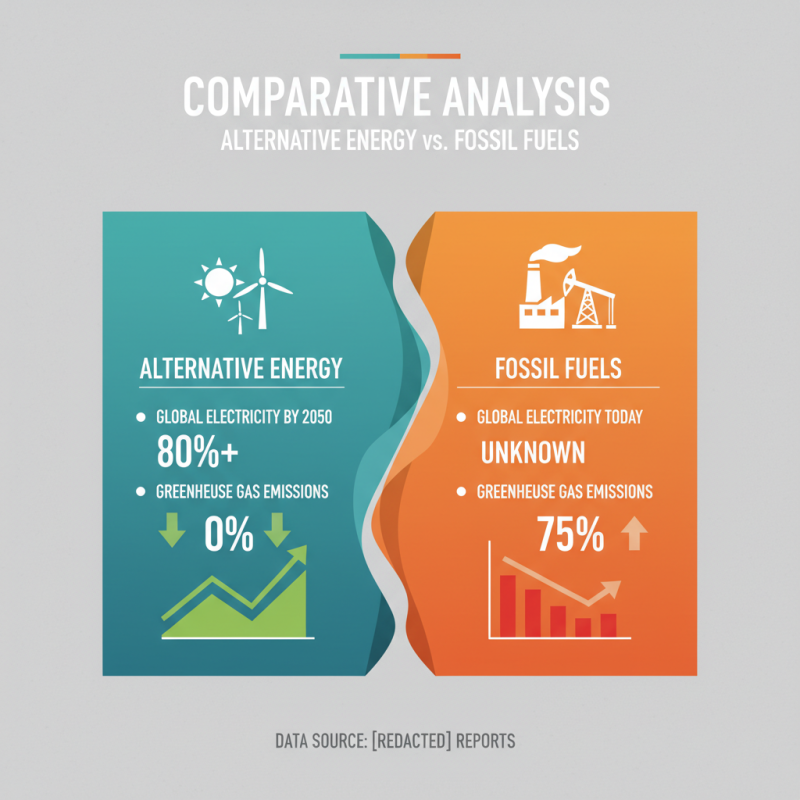
The shift toward alternative energy sources highlights significant differences compared to fossil fuels. Reports indicate that renewable energy, such as solar and wind power, could supply over 80% of global electricity by 2050. This transition is vital. Fossil fuels contribute to approximately 75% of greenhouse gas emissions. The impact is profound.
Alternative energy sources produce minimal emissions. For instance, solar panels generated about 1.2 trillion kilowatt-hours of electricity in 2020, reducing dependence on coal and natural gas. Yet, the production of solar panels does carry an environmental cost, which warrants reflection. The extraction of materials like silicon and lithium can result in pollution and habitat destruction.
Fossil fuels, while currently dominant, face limitations. The International Energy Agency (IEA) warns that their reserves are depleting. In contrast, alternative energy sources are sustainable. However, infrastructure development for renewable energy is still lagging. Studies show that investments in renewable infrastructure need to triple by 2030 to meet climate goals. Adopting alternative energy is essential, yet the transition presents challenges requiring careful planning and consideration.
Technological Innovations Driving Alternative Energy Adoption
Alternative energy is reshaping our future. Technology plays a crucial role in this shift. Innovations in solar panels, wind turbines, and battery storage make renewable energy more accessible. The rise of electric vehicles also highlights our move toward cleaner energy. However, these technologies must overcome challenges.
Tips: Consider how local policies impact renewable projects. Community support can make a big difference. Engage with local leaders to advocate for sustainable solutions.
Energy consumption is changing. Smart grids and energy-efficient appliances help reduce waste. This trend leads to a more sustainable lifestyle. Yet, not all technologies are perfect. Some methods can rely heavily on rare materials. Sustainability requires ongoing reflection and adjustment.
Tips: Stay informed about evolving technologies. Research emerging trends that could benefit your community. Knowledge empowers you to make informed choices.
What is Alternative Energy and How Does it Impact Our Future? - Technological Innovations Driving Alternative Energy Adoption
| Type of Alternative Energy |
Technology Innovations |
Environmental Impact |
Projected Growth (2025) |
| Solar Power |
Photovoltaic Cells, Solar Thermal Systems |
Reduces greenhouse gas emissions and reliance on fossil fuels |
Expected to double by 2025 |
| Wind Energy |
Advanced Turbine Design, Offshore Wind Farms |
Minimizes air pollution and conserves water |
Projected increase of 30% by 2025 |
| Hydropower |
Small-Scale Hydroelectric Systems, Pumped Storage |
Provides clean energy without harmful emissions |
Stable growth, with minor increases expected |
| Geothermal Energy |
Enhanced Geothermal Systems, Direct Use Applications |
Reduces carbon footprint and utilizes local resources |
Expected to grow by 10% in the next few years |
| Bioenergy |
Biomass Conversion Technologies, Biofuels |
Promotes waste reduction and lower carbon emissions |
Anticipated growth of 15% by 2025 |
Future Trends and Challenges in Alternative Energy Development
The development of alternative energy is rapidly evolving, facing both promising trends and significant challenges. According to the International Renewable Energy Agency (IRENA), renewable energy could fulfill 86% of global power requirements by 2050. This reflects a growing commitment to sustainability while addressing climate change. However, the transition requires substantial investment in technology and infrastructure, which poses a barrier for many nations.
Technology advancements in solar and wind energy have led to record-low prices. The levelized cost of electricity from solar has dropped 89% since 2010, making it an attractive option for energy generation. Yet, the integration of these resources into existing grids remains a complex challenge. Energy storage solutions are essential to maintain reliability, but current battery technologies are costly and not widely available.
Furthermore, public policy plays a crucial role in shaping the energy landscape. Some regions lack supportive legislation for renewable investments, hindering progress. A balanced, strategic approach is needed to foster innovation while promoting environmental stewardship. As we pursue these alternative energy solutions, ongoing evaluation of their impact on local economies and ecosystems remains crucial.