
Alternative energy is a crucial topic in today's world. As traditional energy sources deplete, the need for sustainable alternatives grows. Dr. Emily Johnson, a renowned expert in renewable energy, once said, “Alternative energy is not just a choice; it is our responsibility.” This statement reflects the urgency of shifting towards energy sources that protect our environment.
The landscape of energy production is changing rapidly. Solar, wind, and hydro power are leading the way. These forms of alternative energy harness natural forces, reducing carbon footprints. However, challenges exist. Infrastructure needs improvement, and public awareness remains low. Many people still rely heavily on fossil fuels. It's vital to address these obstacles.
Investing in alternative energy is more than a trend; it is essential for future generations. Innovations are emerging, making renewable resources more accessible. Yet, the transition is slow. Lack of investment and policy support hampers progress. Encouragingly, growing awareness among the public is fostering change. It’s a collective responsibility to advocate for cleaner energy.
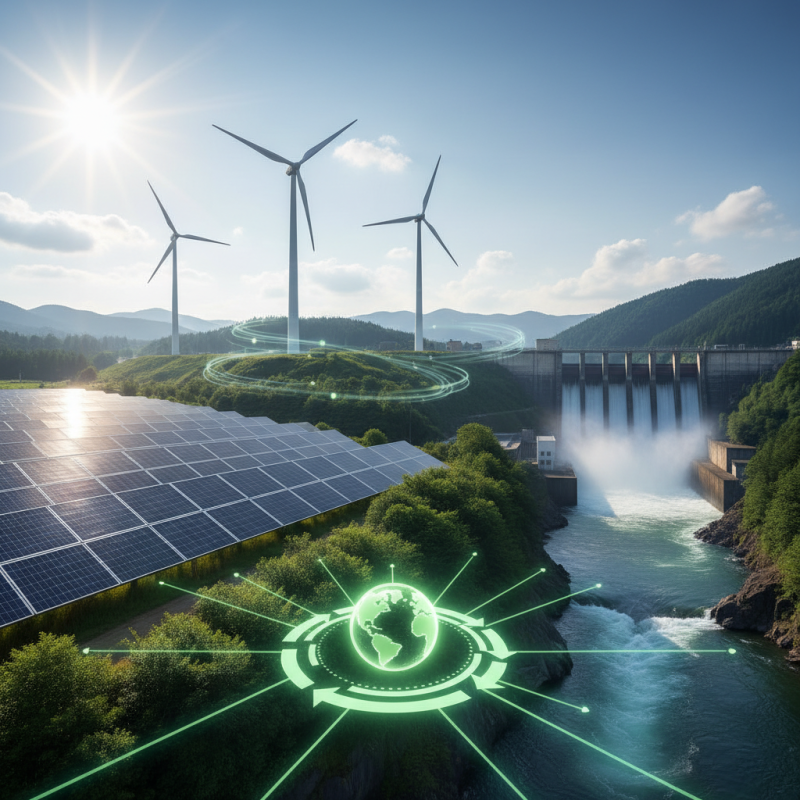
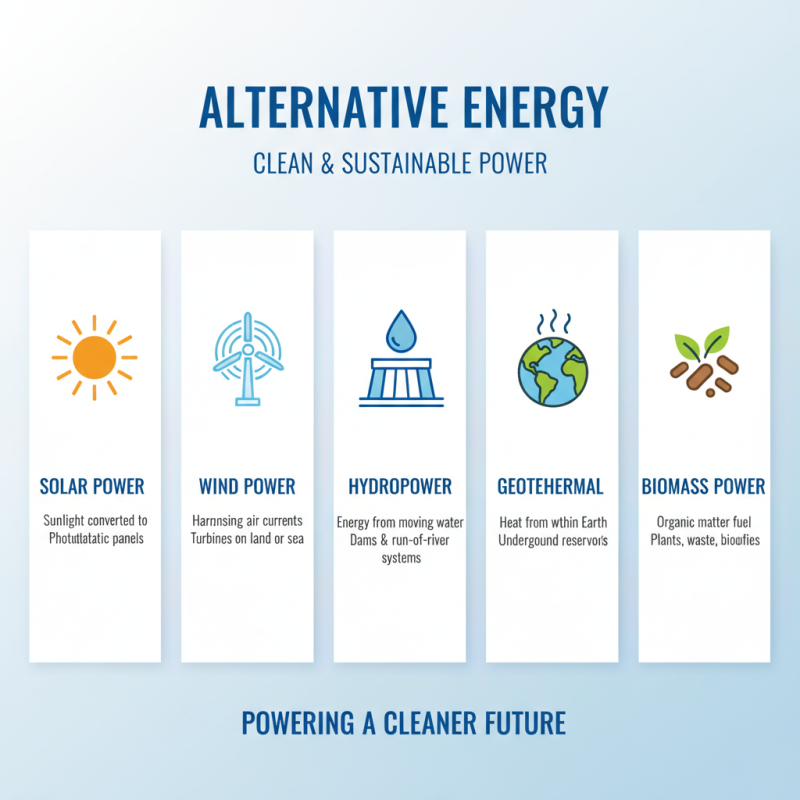
Alternative energy refers to energy sources that are alternatives to traditional fossil fuels. These sources offer sustainable, cleaner options to power our lives. They include solar, wind, hydropower, geothermal, and biomass. Each of these types has unique features and benefits.
Solar energy harnesses sunlight using solar panels. The International Energy Agency (IEA) reports that solar power generated around 11% of global electricity in 2020. Wind energy, produced through turbines, has seen rapid growth. According to the Global Wind Energy Council, wind power capacity reached over 743 GW globally by the end of 2020. Hydropower remains one of the oldest renewable sources. It accounted for approximately 16% of global electricity generation in 2018, as per the World Energy Council.
Despite their benefits, alternative energy sources face challenges. For instance, solar and wind energy depend on weather conditions. This intermittency can lead to power shortages. Geothermal energy, while efficient, is limited to specific geographical regions. Biomass requires land, impacting food production. As we transition towards a greener future, understanding these limitations is crucial. Balancing innovation with practicality will be key to a successful energy shift.
Renewable energy sources are changing the way we power our lives. There are various mechanisms that harness natural resources, such as sunlight, wind, and water.
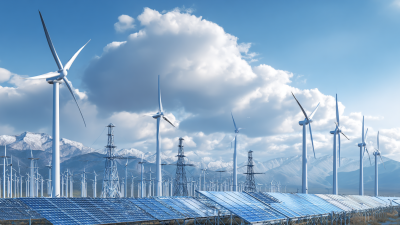
Solar panels convert sunlight into electricity through photovoltaic cells. They capture sunlight and turn it into usable energy. Wind turbines do something similar, using large blades to catch wind. The motion spins a generator that produces electricity. These technologies are becoming more popular.
Hydropower, another renewable source, utilizes flowing water. Dams create reservoirs, and water flow turns turbines to generate electricity. Biomass energy comes from organic materials. This includes plant matter and waste.
When burned, these materials release energy. These methods show promise but also have flaws. Sometimes they disrupt local ecosystems or require significant land use.
Tips: Consider your energy choices. Opt for smaller, local providers when possible. Simple actions like using energy-efficient appliances can make a difference. Balance your energy use with sustainable habits. Sometimes, technology evolves slowly, and older methods may still dominate.
Ultimately, exploring these renewable technologies requires careful examination. Each has benefits and drawbacks. The world is advancing, but we must rethink how we approach energy solutions.
Alternative energy sources are increasingly favored over fossil fuels. According to the International Renewable Energy Agency (IRENA), renewables can reduce carbon emissions by up to 70%. This significant reduction is a driving factor for countries aiming to combat climate change.
One major advantage of alternative energy is sustainability. Unlike fossil fuels, which can deplete, wind and solar energy are inexhaustible. This endless supply can help stabilize energy prices. The Energy Information Administration (EIA) has reported that solar energy costs have plummeted over 80% in the last decade, making it more accessible. Transitioning to renewables also leads to job creation. In 2020, the renewable sector employed over 11 million people worldwide, showcasing its potential for economic growth.
However, there are challenges to consider. The intermittent nature of solar and wind energy poses reliability issues. Energy storage solutions are still developing and can be costly. While the shift to alternative energy is promising, it requires careful planning and investment to overcome these hurdles.
Alternative energy sources are crucial for a sustainable future. However, adopting them brings challenges. One major issue is the initial investment cost. Solar panels and wind turbines require significant upfront funding. Many individuals and businesses hesitate due to this financial burden.
Grid integration can also be problematic. The existing power grid may not handle the variable output from sources like solar and wind. This can lead to instability in energy supply. Some regions struggle with outdated infrastructure, making adoption more challenging.
Tips: Consider community solar programs. These initiatives allow shared access to solar energy, reducing individual costs. Educating yourself about local incentives can relieve financial pressure. Planning for energy storage can also help with supply fluctuations.
Despite these obstacles, embracing alternative energy is important. Technologies are evolving, but we must confront the current limitations. It requires collaboration and innovation to overcome these barriers. Reflecting on our energy choices is crucial for a collective future.
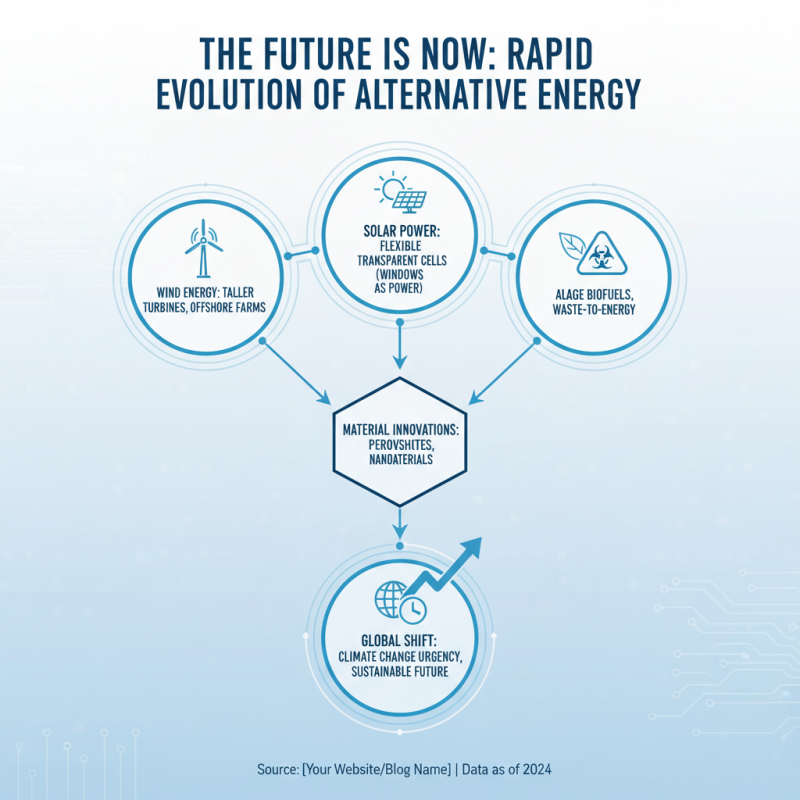
Alternative energy is evolving rapidly. Innovations in wind, solar, and bioenergy are paving the way for a sustainable future. Researchers are experimenting with new materials and technologies. For instance, transparent solar panels could turn windows into energy generators. This shift is more than just a trend; it reflects a global urgency to combat climate change.
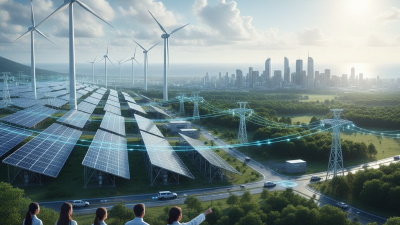
Future trends suggest more decentralized energy systems. Communities can generate their own power, reducing dependence on large grids. Battery storage technology is improving too. This means we can store excess energy when production is high. Imagine solar energy powering homes even after sunset.
Tips: Stay informed about local energy initiatives. Support community solar programs if available. Every small step counts. Learn about energy-efficient practices. Systems are getting smarter, but consider how you can reduce waste too. Reflect on your own energy usage. Small changes at home can contribute to broader goals.