
Energy projects are becoming larger, more connected, and harder to coordinate. Solar farms, offshore wind facilities, battery systems, and smart grids now depend on precise planning. A delayed permit can affect procurement, construction, financing, and grid connection within weeks. This makes software more than an administrative tool. It becomes the project’s working control room.
The 2026 Top Types of Energy Project Management Software guide examines platforms built for different operational realities. Some tools manage engineering schedules and contractor workflows. Others support renewable asset development, field inspections, cost control, risk tracking, or compliance reporting. The strongest systems connect these functions without hiding important details behind attractive dashboards. Clear data matters.
Fatih Birol, Executive Director of the International Energy Agency, has said, “The first fuel of the energy transition is energy efficiency.” That principle also applies to project management energy. Better software can reduce duplicated updates, expose schedule conflicts, and help teams use limited resources more intelligently. It cannot repair weak leadership or unclear responsibilities. That limitation deserves attention.
This guide evaluates software through practical experience, technical capability, and evidence of industry fit. It considers integrations, usability, security, reporting depth, scalability, and support for distributed teams. A platform may look impressive during a demonstration. Field performance can tell a different story. Therefore, readers should test workflows with real project data before making a purchase. The right choice depends on project size, delivery model, asset type, and organizational maturity. Some companies may still need simpler tools. That is not failure. It may be the more reliable decision.
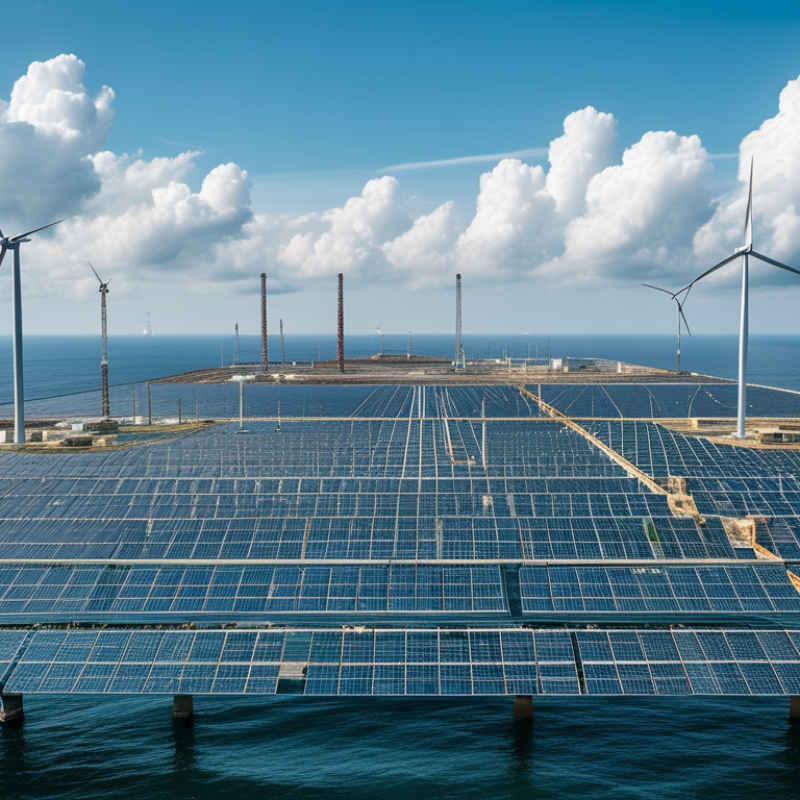
Energy project management software is a digital control center for planning, delivering, and monitoring energy projects. It connects schedules, cost plans, contracts, permits, engineering files, and field updates in one working environment. For a solar site, the system might show panel deliveries, grid-connection milestones, weather delays, and inspection records. For a wind, storage, or transmission project, it can map dependencies across land, equipment, contractors, and regulators. The purpose is practical: give teams one current view before small delays become expensive disputes.
In 2026, energy projects face tighter timelines, volatile material prices, complex interconnection queues, and greater reporting demands. Software helps project managers compare planned progress with verified site evidence, such as dated photos, installed quantities, and approved change orders. Automated alerts can flag an overdue transformer, an exhausted contingency budget, or a missing compliance document. That visibility supports better decisions, but it does not replace engineering judgment or accountable leadership. Data can be incomplete. Bad inputs still produce confident dashboards.
Reliable platforms should offer role-based access, audit trails, secure document control, forecasting, and integrations with finance and field tools. They should preserve clear approval histories, because energy projects often involve many parties and long handoffs. In practice, adoption matters as much as features. A site supervisor will not maintain a system that takes ten minutes to record one delivery. Teams should test workflows on real projects, measure reporting accuracy, and revise templates after honest user feedback. That step is often neglected when schedules are already under pressure.
2026 Top Types of Energy Project Management Software
Energy project management software is not one uniform category. The right type depends on project scale, assets, and delivery risks. Utility-scale generation platforms manage budgets, schedules, contracts, permits, and engineering changes. They suit large power plants with many contractors and approval stages. Renewable energy tools focus on wind, solar, and storage projects. They often track site surveys, equipment deliveries, weather data, and commissioning tasks. Small forecasting errors can still cause expensive delays.
Transmission and distribution software supports grid upgrades, substations, and network expansion. GIS mapping, outage planning, inspection records, and workforce coordination are common features. Construction-focused systems help teams manage drawings, safety checks, materials, and daily site reports. Field service and asset management tools support maintenance after commissioning. They record inspections, spare parts, defects, and repair history. Still, categories overlap. That is useful, but confusing. A platform may look complete while missing one critical workflow.
Tips: Map the project lifecycle before comparing software. List every handoff, from feasibility studies to final maintenance. Ask whether the system creates a reliable audit trail. Test it with a real change order, delayed shipment, and incomplete field report. A clean dashboard can still hide weak data. Review permissions and backup procedures carefully. Avoid choosing features over usability. In practical reviews, teams often underestimate training time. That mistake deserves more attention.
| Software Type | Primary Purpose | Core Project Workflows | Typical Energy Projects | Key Data Managed | Common Outputs | Best Fit |
|---|---|---|---|---|---|---|
| General Energy Project Management | Coordinates the full project lifecycle from initiation through closeout. | Scheduling, task management, resource planning, budget tracking, approvals, issue management, and reporting. | Utility upgrades, energy infrastructure programs, maintenance projects, and multi-site initiatives. | Milestones, work packages, labor hours, costs, risks, dependencies, and project documents. | Project dashboards, progress reports, budget variance reports, and risk registers. | Energy organizations needing one central system for cross-functional project control. |
| Renewable Energy Project Management | Manages the development and delivery of renewable generation assets. | Site assessment, permitting, interconnection coordination, design review, construction planning, commissioning, and handover. | Solar photovoltaic, onshore wind, offshore wind, hydropower, geothermal, and biomass projects. | Site constraints, permits, generation forecasts, equipment schedules, grid requirements, and construction costs. | Development stage reports, permitting trackers, construction schedules, and commissioning checklists. | Developers, utilities, independent power producers, and engineering contractors. |
| Engineering, Procurement, and Construction Management | Controls complex capital projects delivered through engineering, procurement, and construction phases. | Design coordination, procurement tracking, vendor management, change control, construction progress, and turnover. | Power plants, substations, transmission lines, pipelines, storage facilities, and large industrial energy assets. | Engineering deliverables, purchase orders, materials, contract values, construction quantities, and change orders. | Procurement expediting reports, earned-value reports, change logs, and construction progress curves. | Owners, EPC contractors, construction managers, and major infrastructure programs. |
| Capital Planning and Portfolio Management | Prioritizes and governs multiple energy investments across a portfolio. | Project intake, scenario analysis, funding allocation, portfolio balancing, stage-gate reviews, and executive oversight. | Generation portfolios, grid modernization programs, decarbonization programs, and asset replacement plans. | Capital requests, expected returns, risk ratings, resource capacity, schedules, and strategic objectives. | Portfolio heat maps, investment scenarios, funding forecasts, and executive scorecards. | Energy companies managing many concurrent projects competing for capital and personnel. |
| Field Service and Asset Maintenance Project Management | Plans field work and coordinates maintenance-related projects for operating assets. | Work-order planning, crew dispatch, outage coordination, inspections, preventive maintenance, and corrective work. | Power generation units, substations, pipelines, wind turbines, solar sites, and energy storage systems. | Asset condition, maintenance history, technician skills, spare parts, outage windows, and labor costs. | Work orders, inspection records, maintenance schedules, asset history, and completion reports. | Operators and service teams responsible for reliability, safety, and asset availability. |
| Construction Scheduling and Cost Control | Provides detailed control over schedule performance, quantities, labor, and construction costs. | Critical-path scheduling, quantity tracking, productivity monitoring, subcontractor coordination, and cost forecasting. | Civil works, electrical installation, transmission construction, plant expansions, and energy storage construction. | Baseline schedules, actual progress, quantities installed, labor productivity, commitments, and forecast costs. | Schedule variance, cost-to-complete forecasts, productivity reports, and subcontractor performance reports. | Construction contractors and project controls teams working on schedule-sensitive projects. |
| Environmental, Social, and Governance Project Management | Tracks sustainability, compliance, stakeholder, and environmental commitments linked to projects. | Impact assessment, consultation tracking, mitigation actions, compliance monitoring, and disclosure preparation. | Renewable developments, transmission projects, resource projects, and infrastructure expansions. | Emissions, biodiversity data, permit conditions, community feedback, corrective actions, and audit evidence. | Compliance dashboards, environmental monitoring reports, stakeholder logs, and corrective-action registers. | Organizations subject to environmental permits, social commitments, and sustainability reporting requirements. |
| Energy Data and Performance Management | Measures project and asset performance using operational, financial, and energy-production data. | Data collection, KPI monitoring, performance benchmarking, anomaly review, forecasting, and corrective-action planning. | Operating generation assets, energy efficiency programs, demand response initiatives, and storage projects. | Energy production, availability, capacity factor, consumption, emissions, operating costs, and performance targets. | KPI dashboards, variance analysis, performance alerts, efficiency reports, and management summaries. | Energy managers and operations teams requiring measurable performance improvement after project delivery. |
2026 Top Types of Energy Project Management Software
Essential Features for Energy Project Planning and Control
Energy projects involve changing schedules, strict permits, contractors, equipment, and exposed field conditions. Project management software must connect planning with daily control. Strong systems support renewable installations, grid upgrades, storage facilities, and maintenance programs.
A practical platform should provide detailed work breakdown structures, milestone planning, and resource forecasting. Gantt views help teams see sequence risks before crews arrive. Budget controls should compare approved costs, committed spending, and actual invoices. Earned value tracking adds another layer of discipline. Field teams also need mobile access, even when network coverage is weak. Offline updates can prevent missing inspection notes or delivery records.
Reliable software should maintain document versions, approval histories, and role-based permissions. It should also connect safety observations, quality checks, change orders, and risk registers. Clear dashboards help managers detect delayed permits or rising material costs early. Yet no dashboard is perfect. Poor data entry can make accurate software look unreliable. Teams must review assumptions regularly.
Tips: Start with one project phase. Test reporting with real field data. Define ownership for every update. Keep workflows simple enough for busy supervisors. Review forecast accuracy each month. A small mismatch may reveal a larger planning problem.
Choosing energy project management software starts with the project’s physical reality. Solar and wind developments need GIS mapping, land-permit tracking, weather data, and contractor coordination. The IEA’s World Energy Investment 2024 report estimated global clean-energy investment would exceed 2 trillion dollars. That scale makes weak data controls expensive. For fast-moving renewable portfolios, cloud collaboration and portfolio dashboards matter more than complex accounting features.
Construction-heavy transmission, storage, and generation projects require stronger scheduling, cost control, document management, and change-order workflows. The Global Wind Report 2024 recorded 117 gigawatts of new wind capacity in 2023. Software should therefore handle many sites without hiding local delays. Test how it manages a late transformer, a revised drawing, and an incomplete inspection record. Small failures reveal more than polished demonstrations.
Operational projects need different tools. Asset maintenance, outage planning, safety records, and sensor integration become central after commissioning. Interoperability with existing control and financial systems should be tested early. No platform fits every work package. We may still overvalue attractive dashboards. A simpler system with reliable permissions and audit trails can protect decisions better. Ask users to complete real workflows, not sample screens. Check data ownership, cybersecurity controls, reporting accuracy, and implementation support before signing.
How to choose software for different energy projects
The chart compares the practical fit of major software categories across common energy project types. Scores range from 1 to 5, where 5 indicates that the capability is highly important for project delivery. EPC and project-controls software is generally essential for construction projects, while asset-management and portfolio-planning tools become more important during operations and multi-site energy development.
2026 Top Types of Energy Project Management Software
Implementation, Integration, and Emerging 2026 Trends
Energy project management software is becoming more than a scheduling tool. It now connects budgets, permits, field work, asset data, and safety records. In my experience, implementation succeeds when teams begin with one measurable workflow. A solar construction team might test equipment delivery tracking before expanding across every site. This approach exposes missing data and unclear ownership early. It is less impressive than a full launch. It is usually more reliable.
Tips: Map current processes before choosing features. Assign one data owner for each critical record. Test integrations with real project data, not perfect samples. Keep a manual backup during the first deployment.
Integration will shape purchasing decisions in 2026. Project systems must exchange information with accounting platforms, geographic tools, sensors, and maintenance databases. Open interfaces can reduce duplicate entry, but poor data standards still create costly confusion. Emerging tools will add forecasting, anomaly detection, digital twins, and automated reporting. These features can improve decisions, yet they may produce confident errors when sensor data is incomplete. Human review remains necessary. Cybersecurity, access controls, audit trails, and regional data requirements also need attention. Many teams underestimate training. That mistake returns later.