
As we approach 2026, the demand for innovative environmental energy solutions intensifies. Renewable sources play a crucial role in combating climate change. However, challenges remain. Many existing technologies need refinement for efficiency and affordability.
Innovation is vital in this sector. New ideas can help harness solar, wind, and hydro energy more effectively. For example, solar panels are becoming more efficient and affordable. Yet, their integration into existing systems often faces hurdles. We must rethink our approaches and adapt to various environmental conditions.
The path forward is not without flaws. Some innovations may not reach their potential due to cost or scalability issues. Thus, it is essential to critically assess each solution. Balancing progress and practicality is key. The future of environmental energy depends on our willingness to learn and improve continuously.
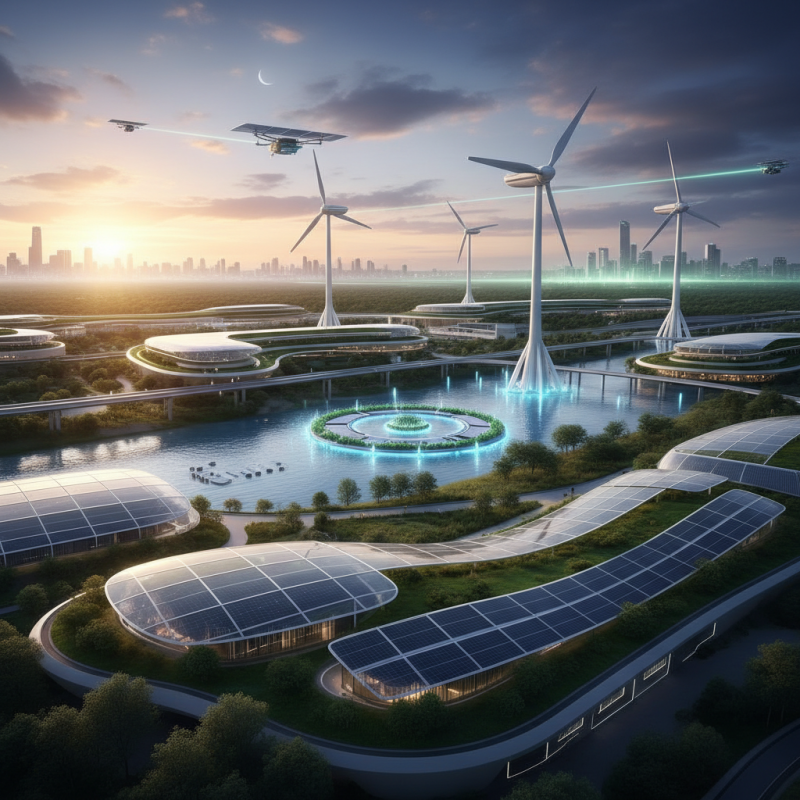
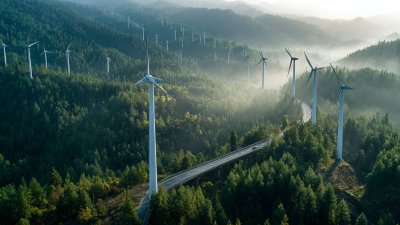
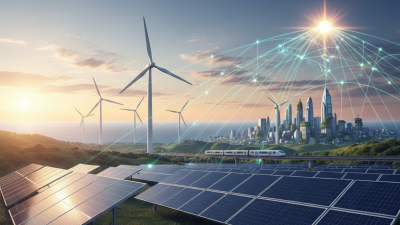
Emerging renewable energy technologies are crucial for a sustainable future. Innovations are advancing rapidly. Solar panels are becoming more efficient. Wind turbines are harnessing more energy from lower wind speeds. These technologies promise to reduce our reliance on fossil fuels.
In recent developments, energy storage solutions are capturing attention. Battery technology is improving, enabling longer storage times. This means renewable energy can be used even when production dips. However, challenges remain. Recycling battery materials is still a significant hurdle.
Here’s a tip: consider integrating small renewable systems into your home. Solar chargers and mini wind turbines can reduce energy costs. They also contribute to a greener environment without large-scale investment. Another tip: support local initiatives promoting renewable energy. Community efforts can amplify the impact of these technologies, but they need participation. It’s essential to reflect on personal choices and their influence on sustainability.
| Innovation | Technology Type | Benefits | Deployment Status |
|---|---|---|---|
| Solar Paint | Photovoltaics | Low cost, lightweight, and easy application | Prototype stage |
| Hydrogen Fuel Cells | Energy Storage | Zero emissions, high efficiency | Commercial pilot projects |
| Wave Energy Converters | Marine Energy | Sustainable energy generation from ocean waves | Early deployment |
| Vertical Wind Turbines | Wind Energy | Space-efficient and quieter than traditional turbines | Installed in urban areas |
| Biomimicry in Solar Panels | Advanced Photovoltaics | Enhanced efficiency by mimicking nature | Research phase |
| Algae Biofuels | Bioenergy | Sustainable crude oil alternative | Commercial scale production |
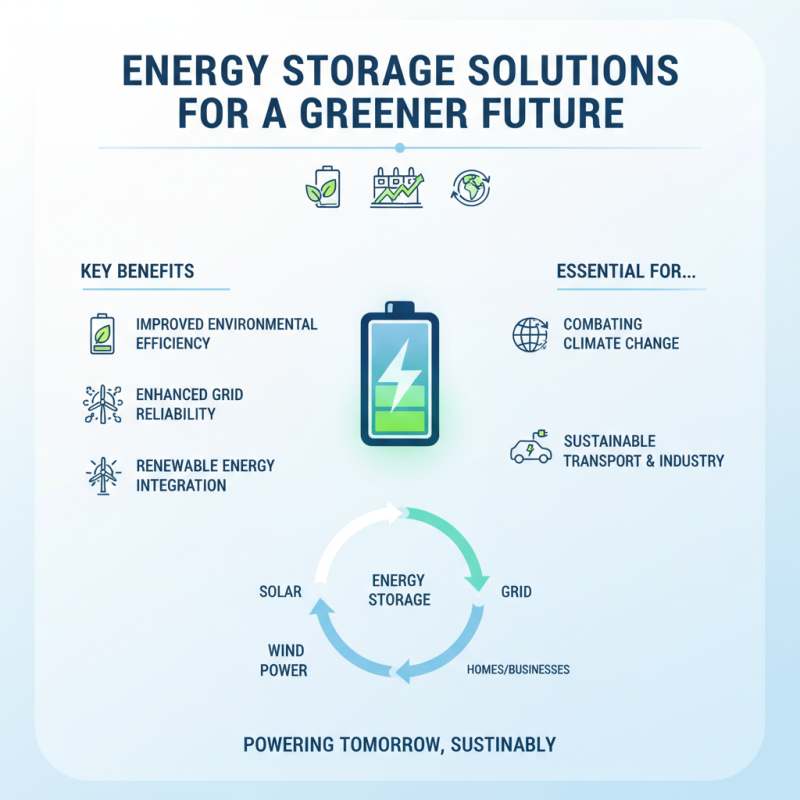
Advancements in energy storage solutions are key to improving environmental efficiency. With an increasing focus on renewable energy, effective storage methods are essential. These technologies enhance grid reliability and enable the integration of solar and wind energy.
One promising area is the development of advanced battery technologies. For example, solid-state batteries offer higher energy density. This allows for longer-lasting energy storage that is safer and more efficient. However, challenges remain regarding production costs and scalability.
Tips: Consider implementing small-scale, local energy storage solutions. These can support community resilience and independence. Additionally, look for energy-efficient practices in daily life. Simple actions, like optimizing energy use during peak times, can make a significant difference. Embracing new energy storage technologies is vital, but difficult choices lie ahead. Balancing innovation with practicality is crucial for real progress.
Carbon capture and utilization techniques are evolving rapidly. In 2026, the focus has shifted to innovative methods that transform captured carbon into valuable products. Recent reports indicate that direct air capture (DAC) is one of the most promising approaches. By the end of this decade, it is projected that DAC solutions could absorb up to 10 billion tons of CO2 annually. This potential impact could reshape our approach to climate solutions.
Some techniques include converting CO2 into fuels and plastics. These processes can create circular economies, where waste is minimized. However, challenges remain. The current cost of DAC technology can be prohibitive, averaging around $600 per ton captured. It raises questions about scalability. Significant investments and advancements are vital for these technologies.
Moreover, while carbon capture can be a game-changer, ethical dilemmas arise. By focusing on technology, we may overlook the need for reducing emissions at their source. The balance between innovation and responsibility must be considered. We cannot solely rely on tech to solve our climate crisis; behavioral changes are equally essential. In 2026, these reflections are crucial for developing lasting solutions.
Smart grid technologies are transforming energy distribution. They offer improved reliability and efficiency. By integrating renewable energy sources, smart grids reduce dependency on fossil fuels. These systems use real-time data to manage energy flow. For instance, homes can adjust power usage based on grid demands. This adaptability enhances sustainability.
However, the implementation of smart grids isn't without challenges. Many regions lack the necessary infrastructure. Upgrading existing systems can be costly and time-consuming. Concerns about cybersecurity also arise. Hackers may target smart grid vulnerabilities. There’s a need for robust security measures to protect sensitive data.
Collaboration among stakeholders is essential. Utility companies, governments, and technology innovators must work together. They should address logistical and technical hurdles. Regular feedback from users can guide improvements. The goal is to create a resilient, efficient energy future that everyone can access.
Building and infrastructure design has seen significant progress in energy efficiency solutions. Innovative materials and technologies are transforming how we construct and operate our buildings. For instance, smart glass can adjust its tint based on sunlight, reducing the need for artificial lighting. This simple change enhances comfort while lowering energy consumption.
Moreover, the integration of renewable energy sources is becoming more common. Solar panels are now often incorporated into building facades. This allows for energy generation without compromising aesthetic appeal. Yet, not every solution is flawless. Some materials might not perform well in all climates, leading to wasted investment.
The journey towards energy efficiency is ongoing. While we have made strides, challenges remain. Adapting technologies to local conditions is essential. Future designs must not only prioritize aesthetics but also functionality and sustainability. Such a balance is crucial for true innovation in the industry.