
As we stand on the brink of a revolutionary era, the intersection of technology and energy is poised to redefine our future. According to a recent report by the International Energy Agency, global investment in renewable energy technologies is projected to reach $2 trillion annually by 2025, underscoring the imperative for sustainable solutions. Industry expert Dr. Emily Chen, a leading figure in renewable energy innovation, emphasizes that "the fusion of technology and energy solutions is not just a trend; it's essential for achieving a sustainable future."
The emerging technologies in energy production and distribution promise to enhance efficiency, reduce costs, and minimize environmental impact. Innovations such as advanced battery storage, smart grids, and carbon capture technology are at the forefront of this transformation. As these technologies evolve and become more integrated into our daily lives, they will significantly contribute to reducing our carbon footprint and addressing climate change challenges. The era of technology and energy convergence will not only impact businesses and economies but will also reshape societal norms and expectations towards sustainability in the decades to come.
This report delves into the cutting-edge innovations expected to lead the charge in 2025 and beyond, highlighting key advancements and their potential implications on global energy landscapes. As we explore these innovations, it becomes increasingly clear that the synergy between technology and energy is vital for a greener, more sustainable future.
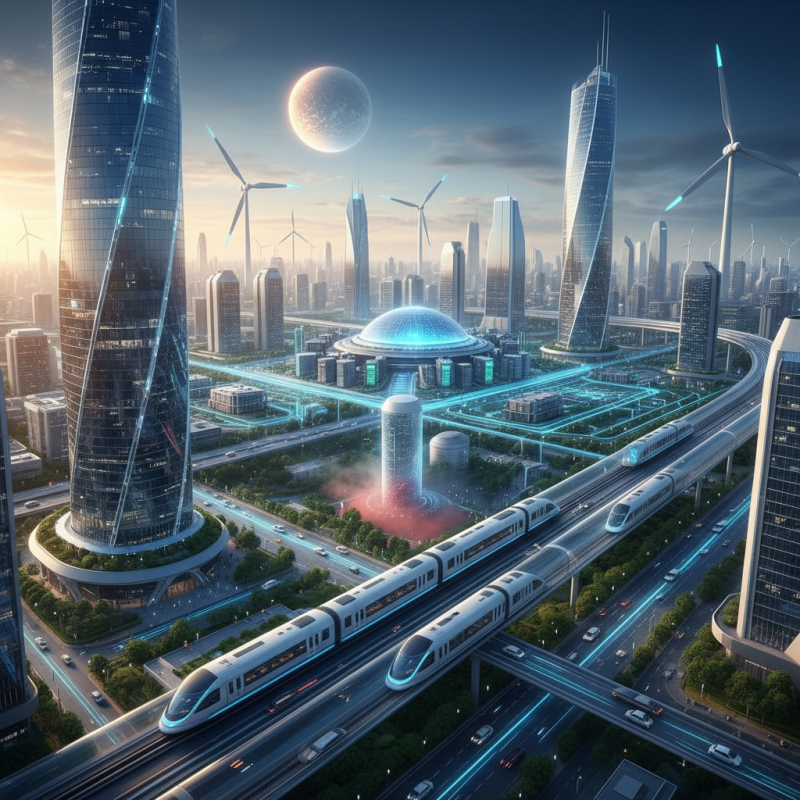
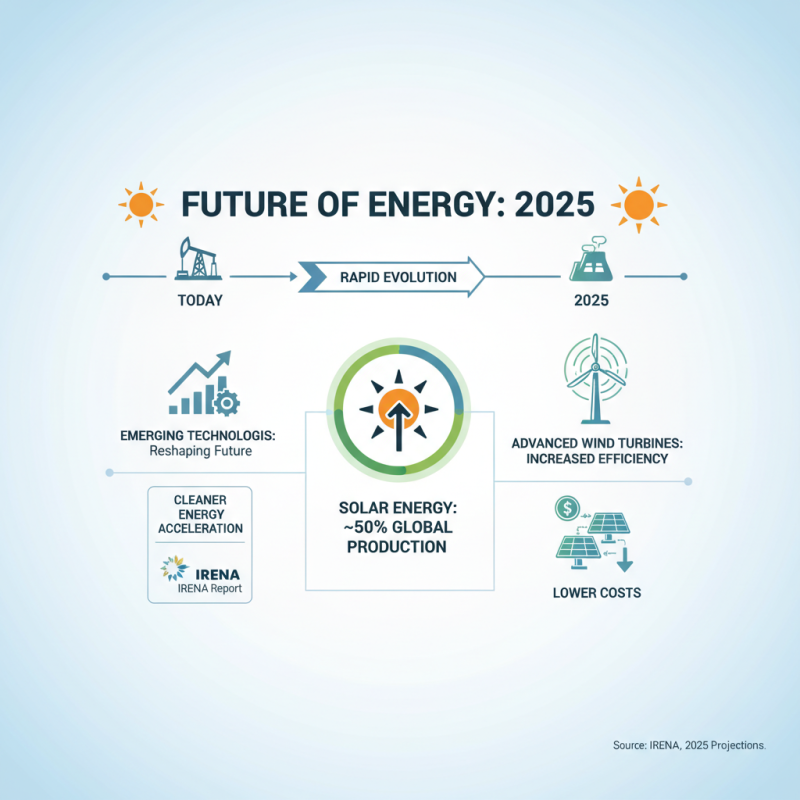
The landscape of energy is rapidly evolving, driven by emerging technologies that promise to reshape our future by 2025. Innovations in renewable energy sources, such as advanced solar photovoltaic systems and innovative wind turbine designs, are expected to significantly increase efficiency and reduce costs. According to a report by the International Renewable Energy Agency (IRENA), solar energy could account for nearly 50% of global energy production by 2025, highlighting the accelerating shift towards cleaner energy alternatives.
Additionally, energy storage technologies are witnessing breakthroughs that will enhance the reliability of renewable energy. Reports from the Energy Storage Association forecast a compound annual growth rate of 20% for the energy storage market, fueled by improvements in battery technology and grid integration. This trend will enable more effective use of intermittent sources like wind and solar, ensuring a steady energy supply regardless of weather conditions.
Tips: When looking to invest in energy-efficient technologies, consider examining the latest advancements in smart grid solutions. These systems optimize electricity distribution, saving energy and costs. Additionally, explore opportunities in community-based energy projects, which leverage local resources and can be more resilient against energy price fluctuations. Embracing these trends will not only contribute to a sustainable future but also align with global efforts to mitigate climate change impacts.
The future of energy is poised for a transformative shift, driven by groundbreaking innovations in renewable energy sources. According to a report by the International Renewable Energy Agency (IRENA), renewable energy capacity is expected to reach 8,500 GW by 2025, nearly doubling from current figures. This exponential growth is largely attributed to advancements in solar and wind technologies, which are becoming increasingly cost-effective. For instance, the cost of solar photovoltaic systems has decreased by around 82% since 2010, making solar energy one of the most accessible forms of power generation available today.
Moreover, energy storage technologies, particularly lithium-ion batteries, are crucial for the efficiency and reliability of renewable energy systems. The United States Department of Energy projects that advances in battery technologies could lead to a reduction in storage costs by approximately 50% by 2025. This would significantly enhance the viability of renewable energy sources, enabling greater integration into the existing energy grid. As we embrace these innovations, the transition to cleaner energy will not only reduce greenhouse gas emissions but also create new economic opportunities and jobs within the renewable energy sector.
This chart represents the projected energy output from various renewable energy sources in 2025, showcasing the innovations set to transform our energy landscape.
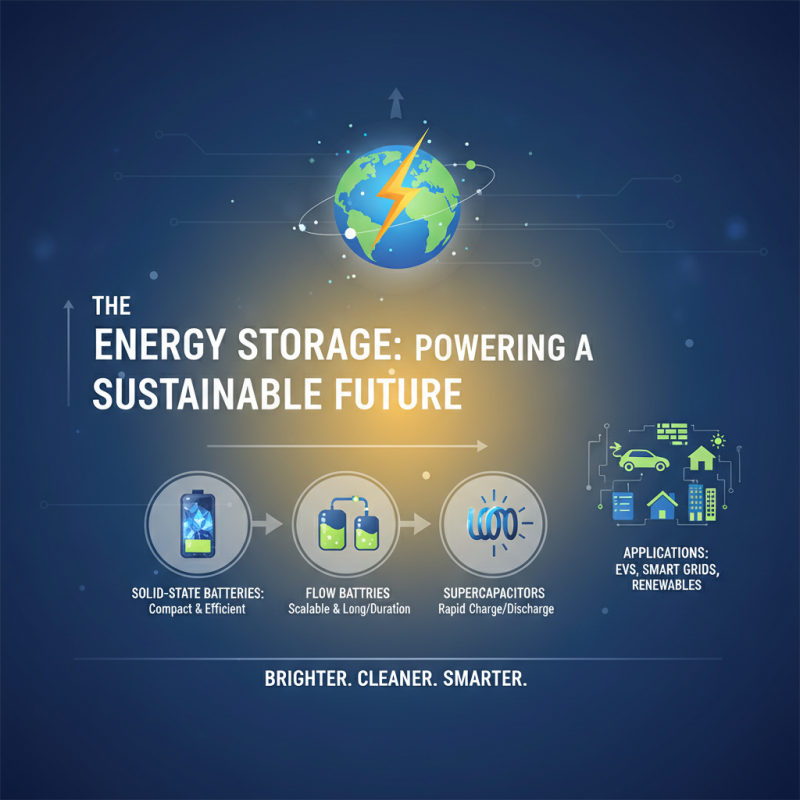
The future of energy looks brighter than ever, primarily driven by groundbreaking advancements in energy storage technologies. As the world increasingly shifts towards renewable energy sources like solar and wind, effective storage solutions are essential to address the intermittent nature of these resources. Innovations such as solid-state batteries, flow batteries, and advanced supercapacitors are set to revolutionize the way we harness and utilize energy, providing not only efficiency but also greater sustainability for various applications, from electric vehicles to smart grid systems.
Tips for optimizing energy storage revolve around understanding specific needs and evaluating the best technology for different scenarios. For residential users, integrating home energy management systems with storage can enhance energy independence and reduce utility costs. On a larger scale, industries should consider investing in modular energy storage systems that can be scaled based on demand, promoting better energy security and reliability.
As these technologies mature, their positive impact will be felt across multiple sectors. By harnessing cutting-edge research in materials science and engineering, the efficiency of energy storage will increase, leading to reduced costs and greater accessibility. As a society, embracing these innovations not only empowers us to combat climate change but also paves the way for a more sustainable future where clean energy is abundant and reliable.
Artificial Intelligence (AI) is poised to revolutionize energy consumption and management, representing a critical innovation in the pursuit of a sustainable future. According to the International Energy Agency (IEA), AI has the potential to reduce global energy consumption by up to 15% by 2030. This capability stems from AI's ability to analyze vast datasets in real-time, optimizing energy use in various sectors, from manufacturing to residential energy management. By employing machine learning algorithms, AI can predict energy demand, identify inefficiencies, and facilitate the integration of renewable energy sources, ultimately leading to smarter energy grids.
Tips: Implementing smart thermostats and energy management systems that utilize AI can significantly lower energy bills. Homeowners can also opt for devices that provide real-time feedback on energy usage, helping them adjust their habits efficiently.
Moreover, AI-driven optimization techniques are not limited to individual consumers; they extend to industrial applications as well. A report from McKinsey highlights that AI could generate up to $1.2 trillion in value by improving efficiency and facilitating the shift towards cleaner energy sources. As companies adopt predictive maintenance and advanced analytics, they can achieve significant reductions in energy waste, propelling themselves toward greater sustainability while offsetting operational costs.
Tips: Businesses should consider investing in AI technologies that enhance their energy effectiveness, as this not only contributes to sustainability efforts but also provides a competitive edge in a market increasingly focused on environmental responsibility.
The influence of sustainable practices on technological development is becoming increasingly apparent as industries pivot towards greener solutions. According to a 2022 report by the International Energy Agency (IEA), investments in renewable energy technologies reached over $300 billion, marking a 12% increase from the previous year. This surge reflects a growing recognition within the energy sector that sustainability not only addresses environmental concerns but also drives economic growth. As companies adopt cleaner technologies, the demand for advanced materials and innovative energy systems has spurred significant research and development investments, leading to breakthroughs in solar, wind, and battery storage technologies.
Moreover, the correlation between sustainability and technological advancements extends to various sectors, including transportation, manufacturing, and agriculture. A study from the World Economic Forum reveals that the adoption of sustainable practices can lead to a productivity increase of up to 25% in manufacturing processes through improved resource efficiency. This shift is fostering a new wave of innovations, such as electric vehicles and precision agriculture tools, which utilize data analytics and IoT to enhance efficiency while minimizing environmental impact. As businesses embrace sustainable practices, technological development will continue to evolve, bringing forth solutions that not only meet consumer needs but also promote a healthier planet.