
As we approach the year 2025, the urgent need for effective energy efficiency solutions has never been more pressing. Industry leaders and innovators are recognizing that sustainable practices must become integrated into our everyday lives to combat climate change. According to Dr. Emily Chen, a renowned expert in renewable energy solutions, "To achieve a sustainable future, we must invest in innovative solutions for energy efficiency that prioritize both environmental impact and economic viability." This statement encapsulates the driving force behind the need for transformative approaches in energy consumption.
The pursuit of innovative solutions for energy is not just an option; it is a necessity. As technological advancements continue to unfold, the potential for increased energy efficiency across various sectors has expanded dramatically. This guide aims to explore cutting-edge strategies and tools that can help businesses and individuals alike optimize their energy usage, reduce costs, and contribute to a greener planet.
Join us as we delve into the landscape of energy solutions that are reshaping our approach to consumption and sustainability. By understanding the latest innovations available, we can collectively work towards a brighter, more energy-efficient future, making informed decisions that benefit both our economy and the environment.
Energy efficiency is a critical component in the transition towards a more sustainable future. It involves using less energy to provide the same service, which not only reduces energy costs but also minimizes environmental impact. According to the International Energy Agency (IEA), improving energy efficiency could account for nearly 40% of the reductions needed to meet global climate targets by 2040. This substantial figure highlights the importance of understanding the key concepts behind energy efficiency and the wide-ranging benefits it offers.
One of the primary benefits of energy efficiency is its economic impact. A report from the American Council for an Energy-Efficient Economy (ACEEE) notes that for every dollar invested in energy efficiency, there is an estimated return of $3 to $4 in energy savings. This creates a win-win scenario for both consumers and businesses, driving down energy bills while simultaneously fostering job creation in the energy sector. Furthermore, energy-efficient technologies, such as LED lighting and high-efficiency appliances, not only contribute to lowering energy consumption but also enhance quality of life by improving comfort and reducing air pollution. As we look toward 2025, embracing these innovative solutions will be essential for achieving energy sustainability.
As we move towards a more energy-conscious future, harnessing smart technology becomes an essential strategy for enhancing energy management. From intelligent sensors to automated controls, these innovative solutions enable homeowners and businesses to monitor their energy consumption in real-time. By utilizing data analytics, users can identify patterns and inefficiencies, allowing for proactive adjustments that lead to significant energy savings.
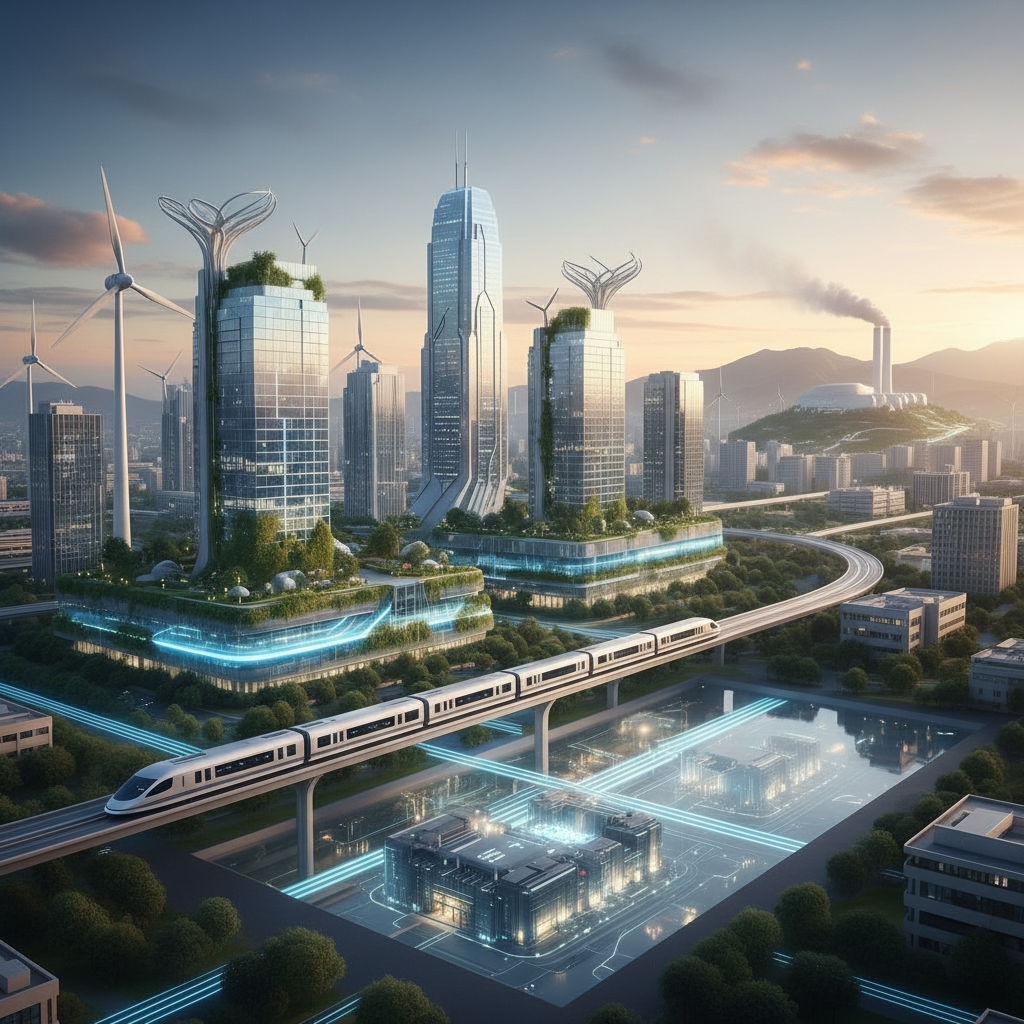
Moreover, the integration of smart technology with renewable energy sources, such as solar panels and wind turbines, offers an unprecedented opportunity for optimizing energy usage. Smart grids facilitate communication between energy producers and consumers, ensuring that energy distribution is efficient and responsive to demand fluctuations. By employing tools such as smart thermostats and energy management systems, users not only gain insights into their consumption habits but can also embrace a more sustainable way of living, ultimately contributing to a lower carbon footprint and greater environmental protection.
| Technology | Description | Benefits | Estimated Savings (%) |
|---|---|---|---|
| Smart Thermostats | Automated temperature control based on user behavior. | Improved comfort, reduced energy costs. | 10-30% |
| LED Lighting | Energy-efficient lighting solution with long lifespan. | Lower energy consumption, reduced maintenance. | 50-80% |
| Energy Management Systems | Real-time monitoring and management of energy use. | Informed decision-making, optimization of energy consumption. | 15-25% |
| Smart Meters | Devices that provide real-time energy usage data. | Enhanced monitoring, potential for demand-response programs. | 5-15% |
| Solar Energy Systems | Use of solar panels to generate electricity. | Reduction of electricity bills, renewable energy use. | 70-90% |
Implementing energy-saving solutions at home can significantly enhance both comfort and efficiency, especially in the colder months. One effective tip is to ensure that your radiators are properly bled to remove trapped air. This simple task can lead to warmer rooms without increasing the thermostat setting, thus saving you on heating bills. Additionally, consider using thermal curtains to retain heat, as they can effectively insulate your windows and reduce heat loss.
Another practical approach is to conduct a thorough energy audit of your home. By identifying areas where energy is wasted—such as drafts, ineffective insulation, or old appliances—you can make targeted improvements. Home improvement projects like sealing gaps, adding insulation, or upgrading to energy-efficient lighting not only conserve energy but also lower utility costs. Implementing these solutions requires minimal investment but can yield significant long-term savings and contribute to a more sustainable lifestyle.
As we look towards the future of energy consumption, innovative renewable energy sources are set to play a pivotal role in enhancing energy efficiency. Solar power remains at the forefront, with advancements in photovoltaic technology that allow panels to capture more sunlight, even in less-than-optimal conditions. This not only maximizes energy output but also reduces dependency on traditional fossil fuels, making it an essential component of any efficient energy strategy.
Wind energy, another key player in the renewable sector, continues to evolve with the development of larger and more efficient turbine designs. Offshore wind farms, in particular, harness the strong, consistent winds found at sea, providing a significant boost to energy production capabilities. By integrating these innovative technologies, industries and households alike can dramatically lower their carbon footprints while enjoying reduced energy costs. Together, these renewable sources contribute to a more sustainable future, emphasizing the necessity for continued investment and research in energy-efficient solutions.
As the world grapples with climate change and rising energy costs, understanding the impact of energy efficiency on cost savings and sustainability becomes critical. According to the International Energy Agency (IEA), energy efficiency improvements could reduce global energy demand by 12% by 2040, translating into significant savings for businesses and households alike. For instance, a report from the American Council for an Energy-Efficient Economy (ACEEE) found that energy efficiency measures implemented across various sectors save American consumers $500 billion annually.
Implementing innovative energy efficiency solutions not only enhances financial savings but also bolsters sustainability efforts. The U.S. Department of Energy estimates that every dollar invested in energy efficiency can generate up to $4 in saved energy costs over time. Furthermore, these measures can lead to substantial reductions in greenhouse gas emissions, with the ACEEE reporting that wide adoption of energy-efficient technologies could eliminate nearly 1.5 billion metric tons of carbon dioxide emissions by 2040. Through strategic investments in energy-efficient solutions, we can pave the way toward a more sustainable and economically viable future.